Every driver knows that it is forbidden to drive after drinking alcohol, but not everyone understands how long you actually need to wait for the alcohol to completely leave the body. Aigul Gumerova, a narcologist at the Alfa-med medical center, explained in detail how quickly the body processes ethanol and when it is safe to return to driving. A driver in a state of intoxication reacts to external factors four to six times slower than a sober person, which significantly increases the risk of accidents.
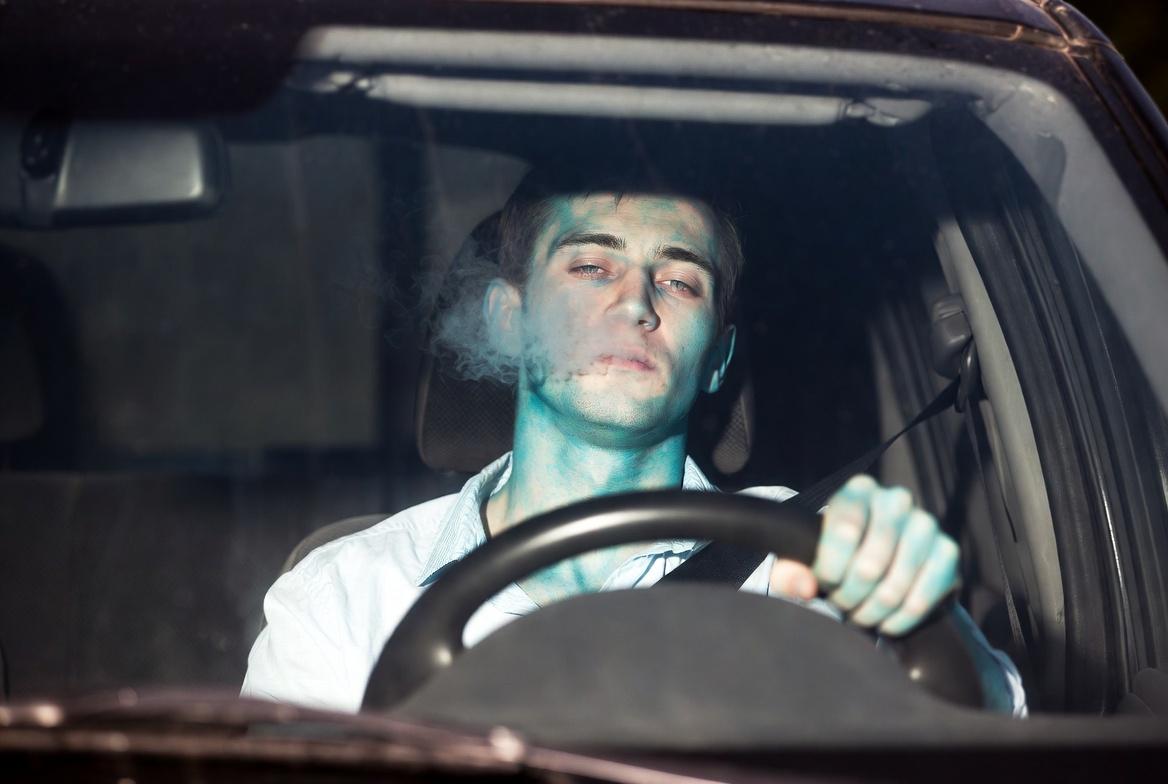
The rate of alcohol elimination depends on body weight, gender, and health status. On average, ethanol is broken down at a rate of 10 grams of pure alcohol per hour, but this is only a guideline. Alcohol is absorbed faster in women, and metabolism is accelerated in people with high weight. For example, 100 grams of vodka is eliminated in about six hours in a person weighing 60 kg, while in a driver weighing 100 kg, it takes three and a half hours.
Not only individual characteristics of the body affect the elimination time. The amount and strength of the drink play an important role. A glass of beer with a strength of 4% requires 2.5 hours for complete weathering, and a similar drink of 6% requires almost 4 hours. Stronger and colored drinks, such as cognac, whiskey, or strong cocktails, linger longer than standard vodka. The difference can be about half an hour, which matters when planning a trip.
Gumerova notes that the process of alcohol processing can be accelerated in advance. Shortly before the feast, it is useful to take activated charcoal or another sorbent, which partially binds ethanol even before it enters the bloodstream. During and after alcohol consumption, it is important to drink more water to reduce the concentration of alcohol, and also avoid fatty and fried foods that slow down the liver. On the contrary, foods with vitamin C, such as citrus fruits or sauerkraut, will help the body neutralize alcohol faster.
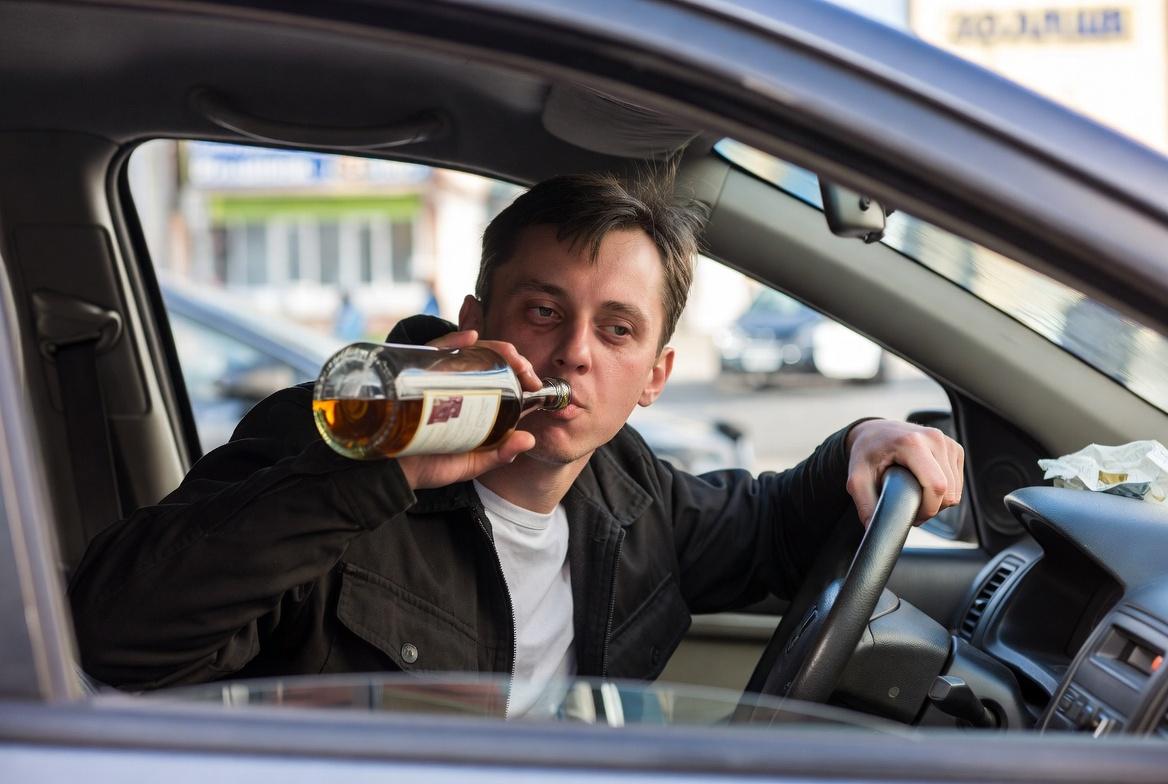
The doctor gives specific examples of elimination time for different drinks. A mug of beer 500 ml dissipates in about 2.5 hours, a glass of champagne 100 ml - about 2 hours, a bottle of sparkling wine 0.5 l - 5-8 hours. A shot of vodka 62 g is eliminated in at least 3.5 hours, 100 ml of cognac - 5-6 hours, and half a bottle of vodka 0.5 l requires almost 22 hours. These data allow drivers to realistically assess when they can safely get behind the wheel.
For official recognition of a driver as drunk, there must be at least 0.3 ppm in a liter of blood, which is equivalent to 0.356 ppm in a liter of exhaled air. For a person weighing 60-70 kg, this corresponds to 40 ml of vodka, 150 ml of wine, or 330 ml of beer. Even if the breathalyzer shows less than the set value, the expert advises waiting another hour or two for complete certainty.
Responsibility for drunk driving in Russia is very strict. The fine reaches 45 thousand rubles with deprivation of rights for up to two years. If the driver is deprived of rights or has never had them, the punishment may include arrest for 10-15 days. In addition, it is forbidden to let a drunk driver behind the wheel - the person who allowed the car to be driven while intoxicated is responsible.
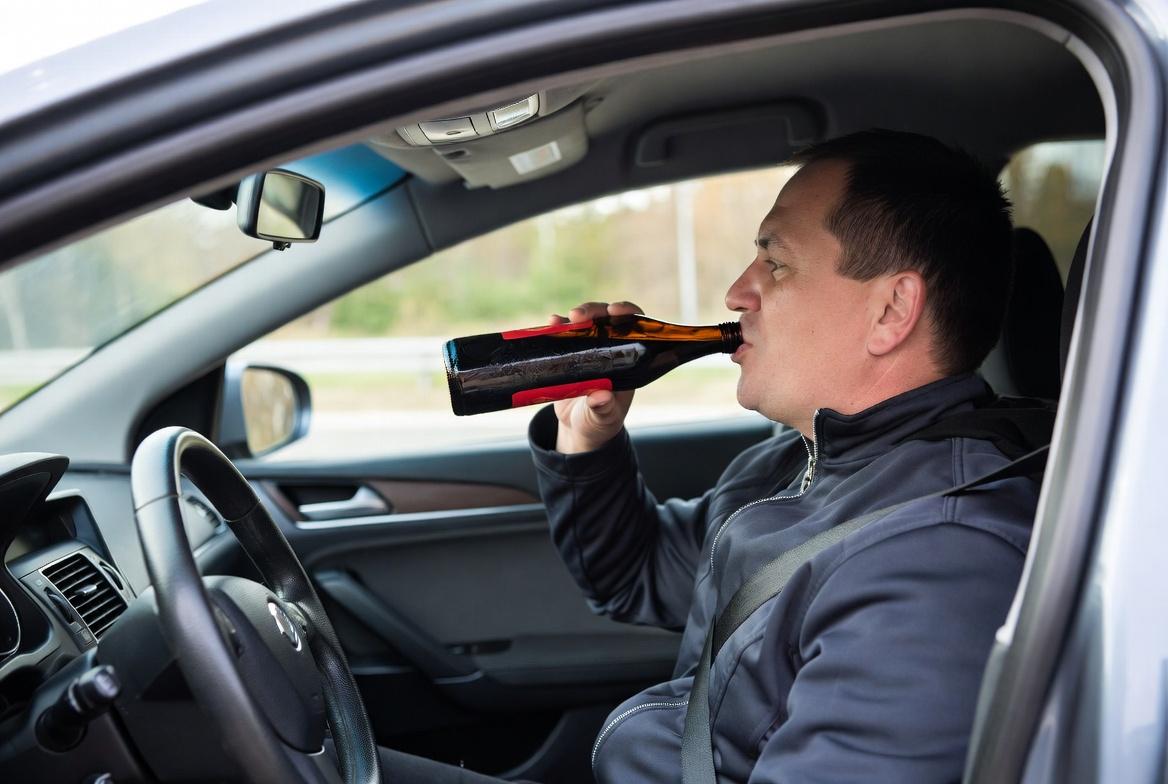
The main conclusion of the specialist is that you can only get behind the wheel after the alcohol has been completely eliminated from the body. Even small doses of alcohol significantly slow down reactions and increase the risk of accidents. Planning consumption, taking precautions, and using a breathalyzer will help avoid trouble and maintain safety on the road.
Read also materials:
- AvtoVAZ officially explained what gasoline should be poured into Lada
- Moskvich announced prices for the Moskvich 6 sedan of the 2026 model year
- Tank raised prices for the entire model range in Russia: Tank 500, 700 and 400 have risen in price