In Russia, 11.2 thousand new electric vehicles were sold in eleven months of 2025, which is 31% less compared to the same period in 2024, according to the Autostat analytical agency. Despite the decrease in sales, interest in electric vehicles among Russian car enthusiasts remains stable, and many continue to consider EVs as an alternative to traditional cars with gasoline or diesel engines.
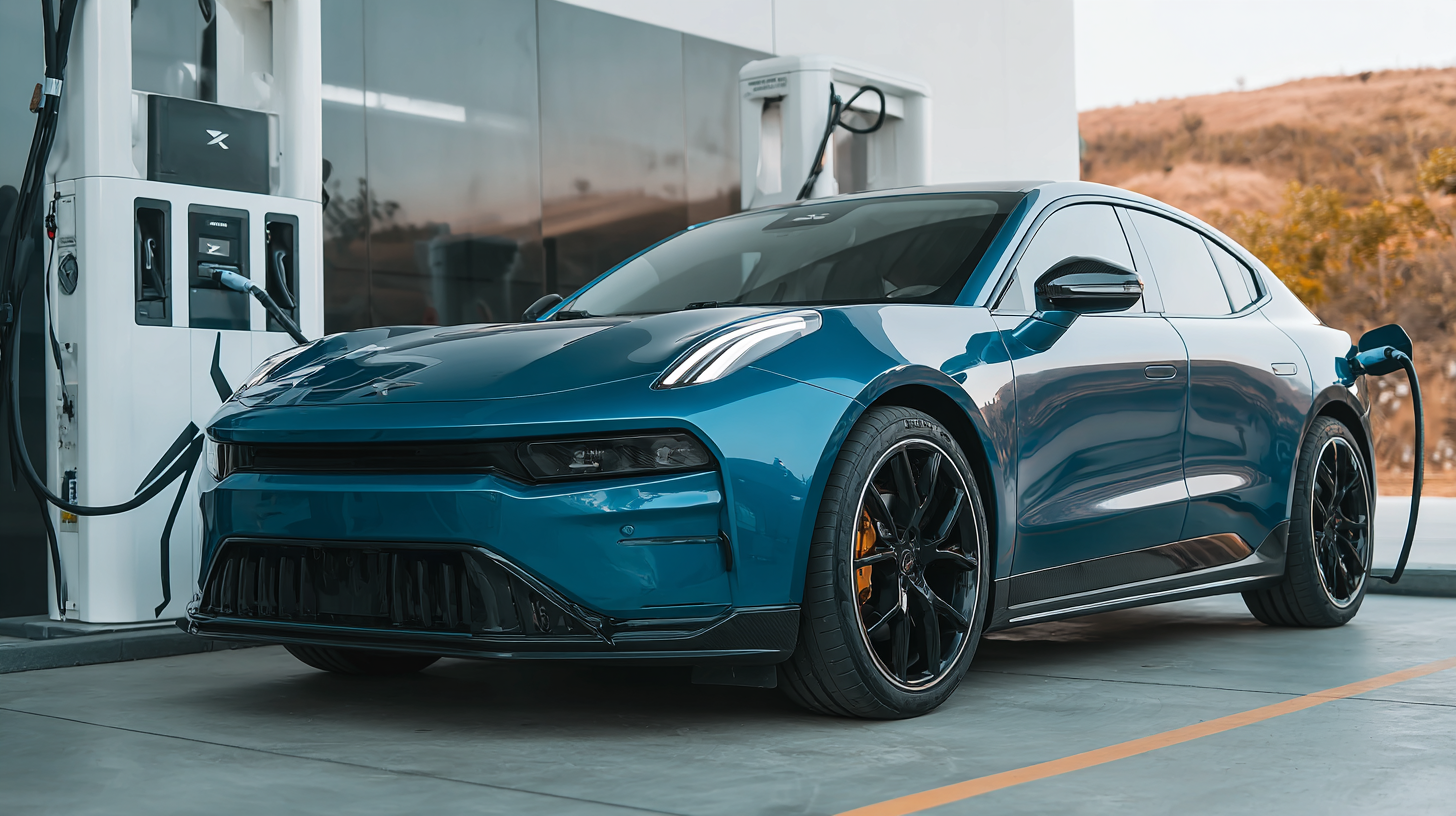
Autonews analyzed which electric vehicle models are most popular on the Russian market, their technical characteristics, cost, and operating features. The most popular models among buyers are Zeekr 001, Xiaomi SU7, Moskvič 3e, Ora 03, and Tesla Model X. These cars differ in power, acceleration dynamics, drive type, and range, and their cost varies from 1.845 million to 7.25 million rubles. For example, Zeekr 001 is available from 5 million rubles and can travel up to 750 km on a single charge, while Moskvič 3e costs 1.845 million rubles with a range of 410 km.
The cost of charging stations for home use also depends on the power and configuration. According to Alexander Mironenko, Deputy General Director of Punkt E, an individual 7 kW charging station will cost from 79 thousand rubles, and a 22 kW option - from 89.9 thousand rubles. For a private house, you can install a three-phase power balancing module for 15,990 rubles. Stations connect to mobile applications, allowing you to set power and manage load, and for apartment buildings, solutions are offered with connection to a building-wide balancing system, the cost of which starts from 155 thousand rubles.
When installing a charging station, the readiness of the infrastructure is important. If the switchboard equipment, circuit breaker, and cable are already connected, installation and commissioning will cost approximately 25-30 thousand rubles. If it is necessary to lay a cable, the cost may exceed 100 thousand rubles, especially if the parking space is far from the distribution board. The expert notes that station maintenance is minimal and most often resolved remotely, and if necessary, an engineer will visit under warranty.
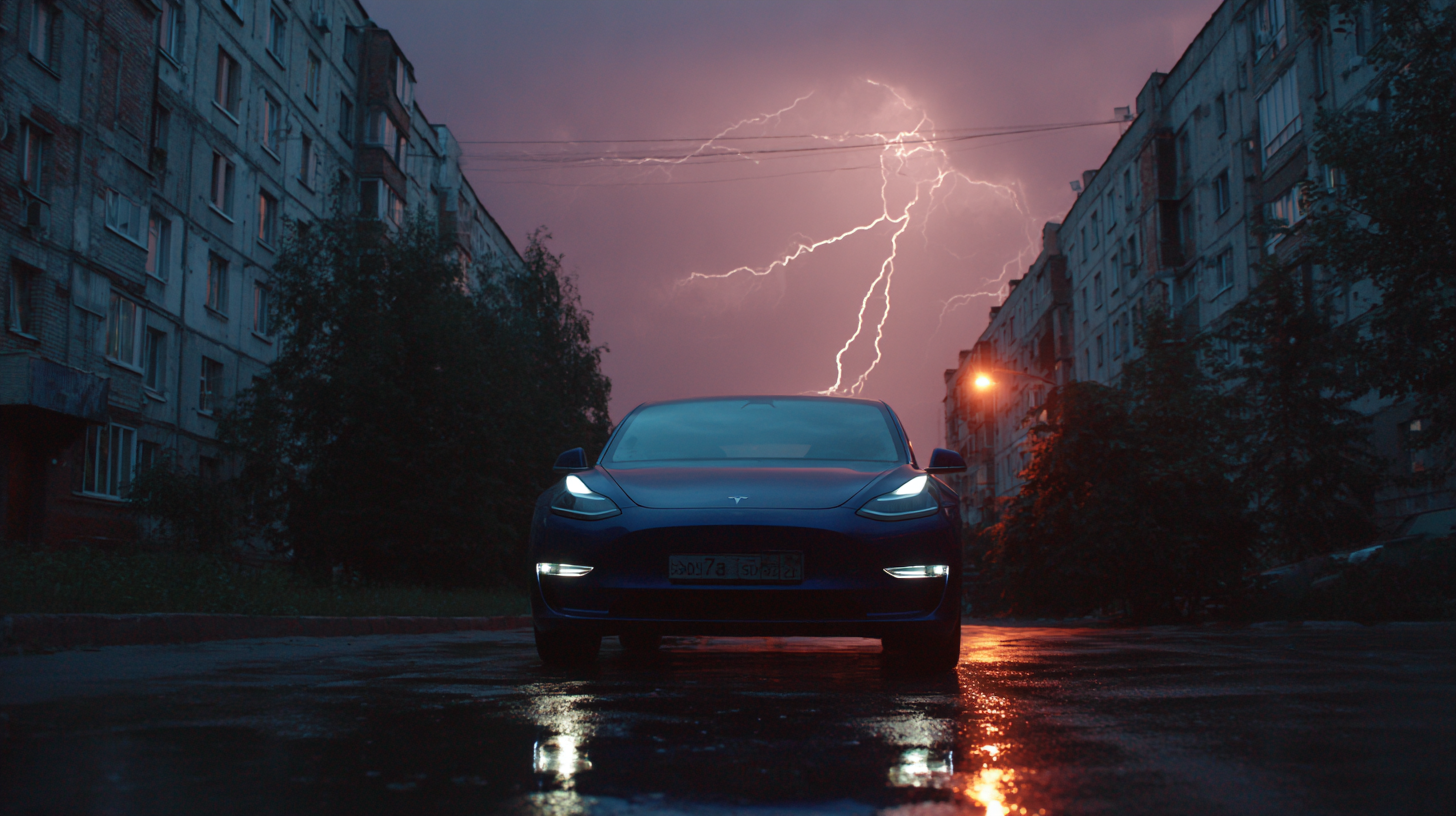
The cost of charging at public stations depends on the power and tariff of a particular operator. At fast DC stations with a power of 150 kW, a full charge of a Tesla Model X with a 100 kWh battery costs about 3 thousand rubles, and a Geely EX5 with a 60.2 kWh battery - about 1.8 thousand rubles at a tariff of 30 rubles per kWh. At slow AC 22 kW stations, charging is cheaper: about 2.4 thousand rubles for 100 kWh and 1.44 thousand rubles for 60 kWh, but the process takes longer. In the Moscow Punkt E network, a full charge of a 100 kWh battery costs about 1.9 thousand rubles during the day and 1.8 thousand at night, and charging from 20 to 80% - about 1.1 thousand rubles.
Dmitry Golovin, Technical Director of Punkt E, notes that the optimal charging range of 20-80% minimizes battery stress and extends its service life. On average, fast charging from 20 to 80% takes 20-40 minutes, which provides convenience for regular operation and maintains a high battery capacity for a long time.
Electric vehicle owners note that operating an EV at home is much cheaper than cars with internal combustion engines. Kristina, the owner of a Nissan Leaf, said that with a charging station in a country house, electricity costs are about 100 rubles per month, while previously more than 10 thousand rubles were spent on gasoline. Electric vehicle maintenance is minimal: oil and filter changes are not required, the main costs are seasonal tire changes and oil changes in the gearbox every 35 thousand km.
At the same time, using an electric vehicle in the city is associated with certain difficulties associated with finding charging stations and the higher cost of charging at public stations. Alexander, the owner of a Tesla Model Y, also believes that for comfortable EV ownership, a private house or parking space with access to an outlet is necessary. In urban conditions, the advantage of an electric vehicle in terms of operating costs is no longer so obvious, and for country life, an EV remains an economical alternative and a good second car in the family.
Read also:
- AvtoVAZ Officially Explains Which Gasoline to Use in Lada
- Moskvich Announces Prices for the Moskvich 6 Sedan of the 2026 Model Year
- Tank Raises Prices for the Entire Model Range in Russia: Tank 500, 700, and 400 Prices Increase