Translated with AI from the Russian original.
Toyota Century is not just a car, but a symbol of luxury, tradition, and respect for the history of Japanese automotive engineering. The sedan has always stood apart in the Toyota model range, being the most expensive and prestigious car of the company, even above Lexus models. The name Century reflects the centenary of the company's founder, Sakichi Toyoda, and the car's philosophy from its inception has been focused on austerity, elegance, and the preservation of traditions.
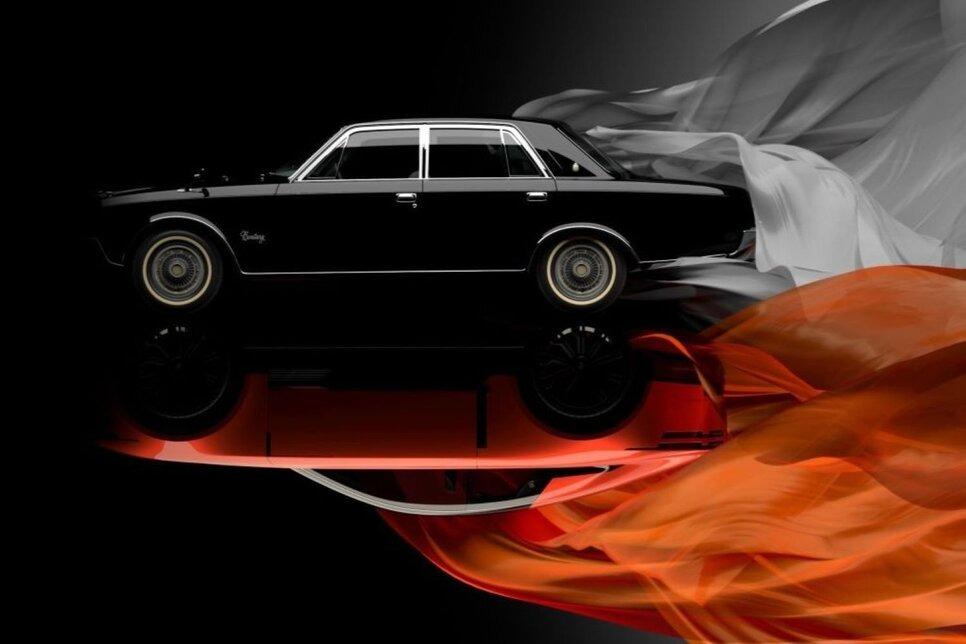
The first generation Century debuted in 1967 as a successor to the Crown Eight and immediately stood out from the competition. It was created to replace American full-size sedans and attracted attention with its V8 engine. The car offered a spacious interior and high-quality trim, and technical solutions, including air suspension and complex steering, made it unique for its time. Experimental versions were created based on the Century, including a hybrid with a gas turbine, and the car was often used by Japanese ministries.
Over the years, the Century has been modernized, while maintaining its conservative and recognizable style. Engines became more powerful and elegant: from the 3-liter 3V to the 4-liter 5V-EU, and transmissions evolved from 4-speed "mechanics" and hydraulic gearboxes to fully automatic systems. In 1982, the Century received a major update, including a new body, interior, and equipment, approaching the level of European executive sedans.
In 1989, against the background of economic recovery in Japan, an extended limousine version appeared, reaching 5770 mm in length, and by 1990, a Century L-type version was added. The first generation was produced until 1997, with a total of 32,453 cars assembled. During this time, the Century cemented its status as a luxury Japanese sedan, although it was inferior to the Nissan President in terms of sales.
The second generation, introduced in 1997, retained the recognizable features of its predecessor but was a completely new car. The main innovation was the V12 1GZ-FE engine with a volume of 5.0 liters and a power of 280 hp. The car received an independent suspension on double wishbones and advanced electronics, and a Century Royal version over 6 meters long was created for the imperial court. The second generation was produced for almost 20 years, with a circulation of less than 10,000 units, which emphasized its exclusivity.
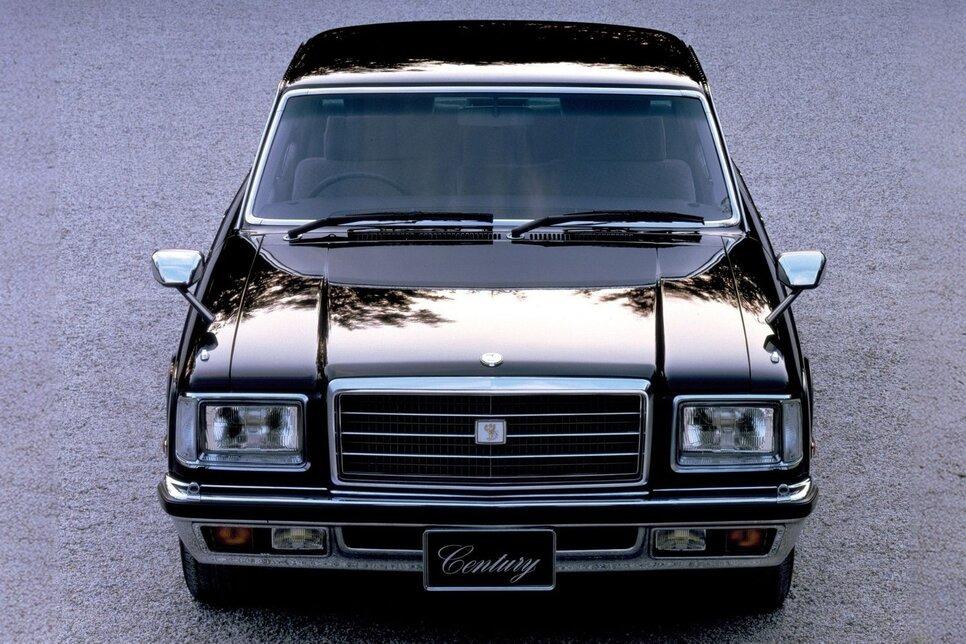
The third generation, introduced in 2017, became a hybrid and used an eight-cylinder 2UR-FSE engine in combination with an electric motor borrowed from the Lexus LS. The car retained its signature design and philosophy of tradition, combining modern technology with centuries-old values. Despite the changes, the Century remained a symbol of monumentality and Japanese conservatism.
In 2023, a hybrid Century crossover appeared with a six-cylinder engine and electric motors, which was a surprise for fans of the model but reflected modern market trends. Bentley and Rolls-Royce have long introduced crossovers into their lineups, and Toyota was only following this logic. In 2025, Century was spun off into a separate luxury brand, positioning it above Lexus, and also showed a crossover concept that aroused mixed reviews.
Nevertheless, the true spirit of the Century has been preserved in classic sedans, created in accordance with the original philosophy. Even the first prototype of 1987 demonstrates respect for traditions, careful attention to detail, and high build quality, thanks to which the Century remains the standard of Japanese luxury and conservative automotive art to this day.
Read more materials on the topic:
- Russian car service market reached 1.2 trillion rubles: maintenance, repair, car washes and tire fitting
- Expensive special effects: Mercedes confiscated in Moscow for a smoke show
- JAC started selling the new T9 pickup with a modernized suspension