Russian car services are increasingly recording requests to convert modern diesel engines to older designs without complex electronics. Owners of SUVs, pickups, and commercial vehicles are removing engines with the Common Rail system and installing naturally aspirated diesels with a mechanical fuel pump. The reason is a shortage of spare parts, rising repair costs, and difficulties with diagnostics.
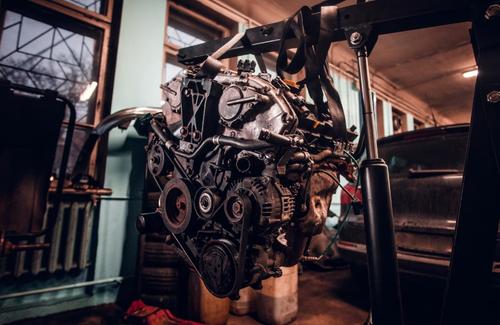
Why modern diesels have stopped satisfying owners
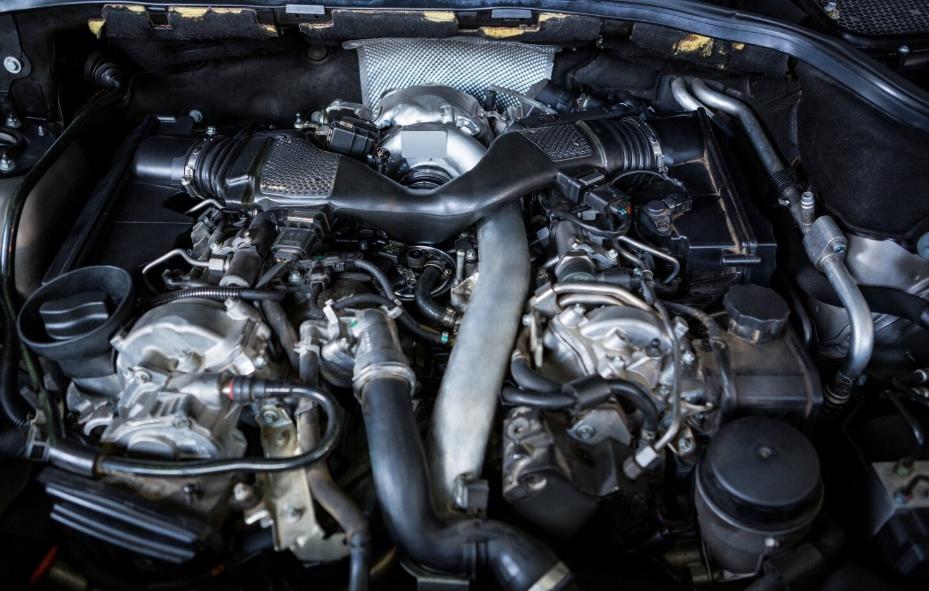
After 2022, the supply of original components for diesel engines decreased sharply. Injectors, high-pressure fuel pumps, electronic control units, and sensors were affected.
For example, repairing the Common Rail system on popular models such as Toyota Land Cruiser, Hilux, Mitsubishi Pajero, and Isuzu D-Max often costs 800 thousand to 1.5 million rubles. At the same time, the waiting time for parts stretches for several months.
Owners face a situation where the car is idle, and the final cost of restoration approaches the market price of the car.
How the "return to mechanics" is going
In response to the problems in the market, a steady demand has formed for converting diesels to mechanical injection. Specialized workshops remove electronic fuel injection pumps, control units, and sensors, installing mechanical pumps and simplified fuel supply systems.
Most often, they use proven units from older Toyota, Nissan, and Isuzu series. This scheme does not require complex diagnostics and works even with low-quality fuel.
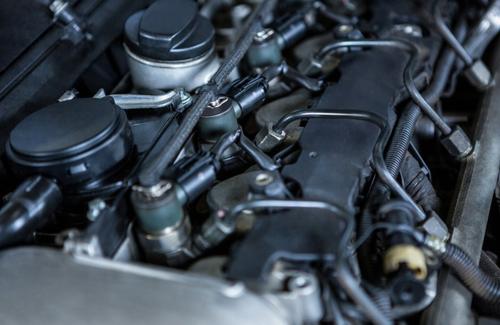
The cost of conversion averages 250–400 thousand rubles, which is several times cheaper than a major overhaul of a modern diesel engine.
Why old motors are back in demand
Naturally aspirated diesels without turbines and complex electronics are inferior to new engines in terms of power and environmental standards. However, they win in terms of service life and maintainability.
Mechanical pumps can be serviced in regional workshops. Spare parts for such engines are often supplied through parallel imports or found at junkyards.
Many units are repaired without specialized equipment. As a result, customers are increasingly choosing reliability over dynamics and fuel economy.
Read more materials on the topic:
- Why a mass diesel engine from VAZ never appeared in Russia
- Diesel engine: at what point did the benefit disappear?
- What is Common Rail and how does a modern diesel engine work
Комментарии