Rising fuel prices are increasingly forcing states to look for alternatives to traditional internal combustion engines. If just a few years ago the transition to electric transport was perceived primarily as part of the environmental agenda, today more and more countries are considering it as a way to reduce dependence on the oil market and protect the economy from price shocks.
This is especially noticeable against the backdrop of recent events in the global energy market, which have led to another round of rising gasoline and diesel fuel costs.
Expensive Fuel Has Become a Global Problem
The rise in fuel prices has affected almost all regions of the world.
In European Union countries, gasoline prices rose by 18–34% last year, depending on the state. In many cases, the cost of fuel exceeded the psychologically important mark of 2 euros per liter.
In the United States, after the escalation of the situation in the Middle East, fuel prices rose by approximately 50%, exceeding four dollars per gallon.
Significant price increases were also observed in Asian countries. In some states, fuel costs more than doubled, and authorities had to introduce emergency response measures.
Russia also faced price increases, but the reasons here largely differ from global ones. Among the main factors are:
- repair work at oil refineries;
- logistical difficulties;
- high domestic demand for fuel.
As a result, the cost of gasoline and diesel is growing faster than overall inflation, and in some regions, restrictions on the volume of fuel dispensed to one buyer are already being introduced.
In Crimea, authorities even agreed with a number of gas station owners to lower prices, effectively resorting to elements of state regulation.
At the same time, mass purchases of fuel for subsequent export to Crimea led to temporary disruptions at some independent gas stations in the Krasnodar Krai.
Meanwhile, price increases are recorded almost throughout the country. In a number of regions, the increase in gasoline prices over a short period amounted to several rubles per liter, and the usual price increase within inflation is gradually becoming a thing of the past.
Electrification Becomes an Economic Solution
Against this background, many states are betting on electric vehicles and plug-in hybrids.
Initially, the development of electric transport was explained by the desire to reduce harmful emissions and fulfill environmental obligations. However, over time it became obvious that the electrification of transport provides another important advantage — it reduces dependence on fluctuations in oil and petroleum product prices.
Today, the leaders in this area demonstrate very impressive results.
Norway: Almost Complete Rejection of Traditional Cars
According to the European Alternative Fuels Observatory (EAFO), as of March 2026, the share of NEV category cars, which combine electric vehicles and plug-in hybrids, in Norway reached 98.73% of all new car sales.
At the same time, fully electric vehicles occupy the main part of the market.
If in 2017 the sales structure looked more diverse, today the situation has changed radically:
- electric vehicles (BEV) occupy 98.17% of the market;
- plug-in hybrids (PHEV) — 0.56%;
- other types of transport have practically disappeared from statistics.
In fact, over a decade and a half, Norway has become a global benchmark for the electrification of automotive transport.
Denmark and Finland are also Among the Leaders
Denmark ranks second among the most electrified markets.
There, the share of pure electric vehicles reaches 80.54%, and plug-in hybrids occupy only 0.86% of the new car market.
Finland is also among the top five leaders. Here, electric transport also holds a dominant position, although plug-in hybrids still maintain stronger positions.
In the Finnish market, the share of new cars is distributed as follows:
- electric vehicles — 49.91%;
- plug-in hybrids — 14.43%.
Together, such cars account for more than 61% of sales.
Russia Remains Among the Laggards
The Russian market for electrified transport is developing noticeably slower.
According to "Autostat", in April 2026, the country sold:
- 906 new electric vehicles;
- 6026 plug-in hybrids.
The total sales volume of NEV category cars amounted to 6932 units.
At first glance, the dynamics look impressive. Compared to April 2025, sales increased by approximately 2.4 times.
However, when compared to the overall market, the picture is different. The share of electric vehicles and hybrids is only 5.9% of all new car sales.
Therefore, Russia is still significantly behind the leading countries in terms of the spread of electric transport.
It is interesting that taxi companies and carsharing play a significant role in maintaining demand for electric vehicles.
Why China Bet on Electric Transport
Although Norway leads in the share of electric transport, the largest fleet of electric vehicles is in China.
Chinese consumers are increasingly choosing electric vehicles and plug-in hybrids not only for environmental reasons, but also for economic reasons.
One of the main factors was the cost of fuel.
If in January 2026, gasoline in China cost about 83 rubles per liter in terms of Russian currency, then in May the price rose to 116 rubles. In a few months, the increase amounted to about 33 rubles per liter.
At the same time, charging an electric vehicle is significantly cheaper — approximately 10–12 rubles per kilowatt-hour.
An additional point of interest is the fact that Chinese authorities are gradually reducing government benefits for electric vehicle owners. However, even this could not stop the growing popularity of electric transport.
According to the China Passenger Car Association, in May 2026, the share of NEV category cars reached a record 63% of the new car market.
Thus, almost two-thirds of new cars sold in the country were electric vehicles or plug-in hybrids.
China Becomes a Global Player
China today plays a key role not only in the domestic market, but also in the global electric vehicle industry.
A significant part of the electric vehicles produced in the country are exported.
Despite a decline in global electric vehicle sales in the first quarter of 2026 by 8% compared to last year, many regions continue to show high demand growth:
- Europe — almost plus 30%;
- Asia-Pacific region excluding China — about 80%;
- Latin America — approximately 75%.
In many cases, growth is provided precisely by supplies from Chinese manufacturers.
What is the Secret of Norwegian Success
The Norwegian model of electrification is considered one of the strictest in the world.
For many years, authorities created the most favorable conditions for electric vehicles:
- VAT exemption;
- abolition of registration and import duties;
- discounts on toll roads;
- access to bus lanes;
- special parking spaces.
At the same time, environmental fees for cars with internal combustion engines increased, and fuel taxes increased.
However, not only benefits played an important role.
For Norway, the transition proved to be economically beneficial due to the peculiarities of the country's energy system. More than 90% of electricity here is generated by hydroelectric power plants, and the cost of electricity is significantly lower than the cost of gasoline.
In addition, many residents live in private homes, where the possibility of charging a car exists almost by default.
What This Means for Russia
Despite the growth in sales of electric vehicles and hybrids, Russia is still significantly behind countries that have bet on the electrification of transport.
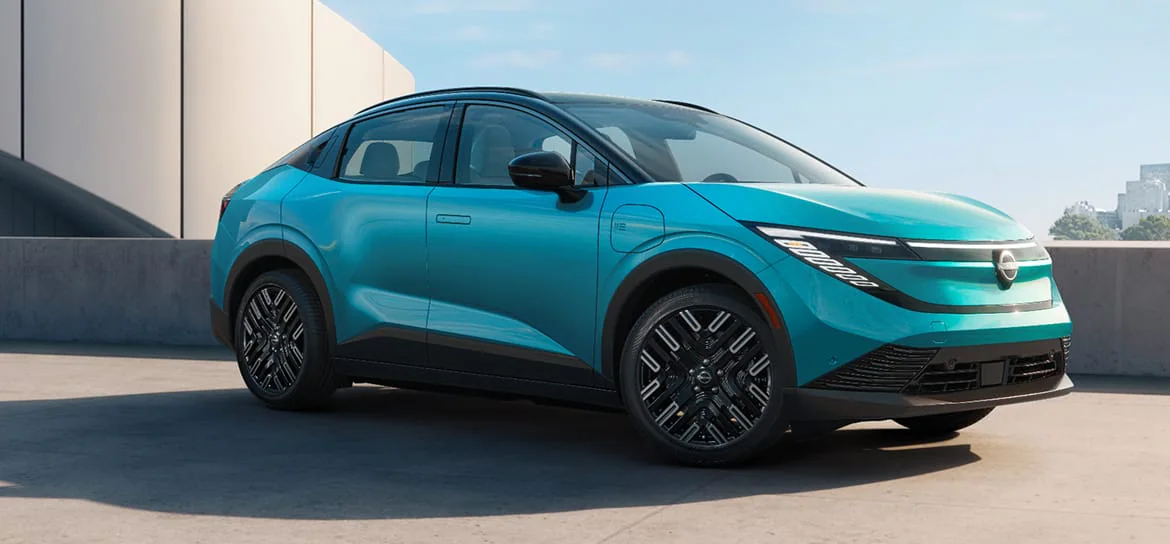
Norway has practically abandoned new cars with traditional engines, China has turned electric transport into a mass phenomenon, and many European countries are confidently increasing the share of electric vehicles in the market.
In Russia, cars with internal combustion engines still dominate, and the share of electrified transport remains relatively small.
At the same time, global experience shows that the transition to electricity is increasingly becoming not so much a matter of ecology as a tool for economic stability. That is why the competition between traditional fuel and electric transport is likely to intensify in the coming years.
Read more materials:
- How Diesel Fuel Overtook Gasoline in Price
- Soviet "Blue Bird": All-Terrain Vehicle Without Borders
- Why Russians Are Increasingly Giving Up Personal Cars
Комментарии