The rising cost of fuel is becoming an increasingly serious problem for most countries. While the transition to electric vehicles was largely explained by environmental initiatives in the past, today economic security is increasingly coming to the forefront. While some states are accelerating the electrification of their vehicle fleets, others continue to depend on gasoline and diesel fuel.
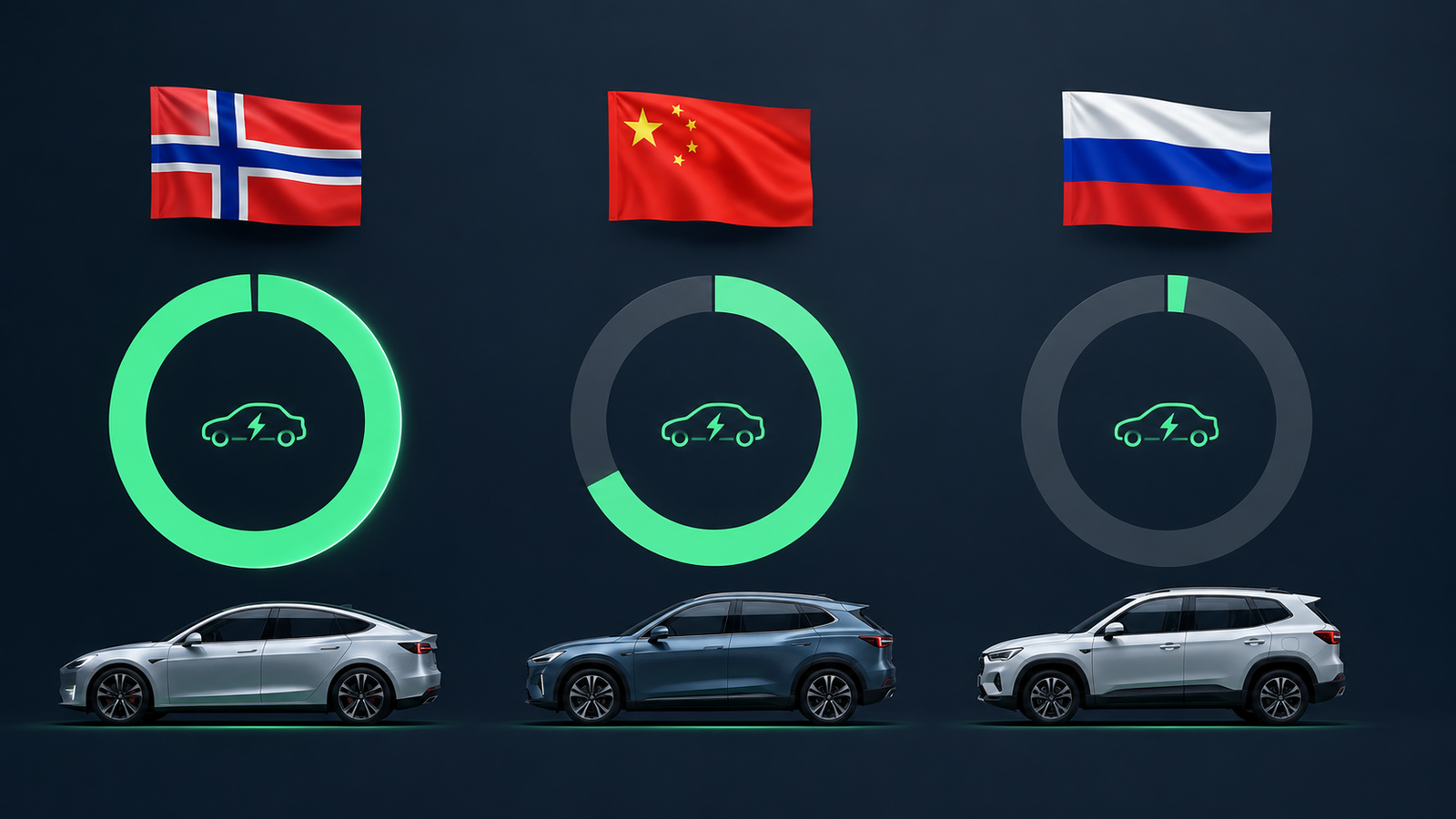
A striking example is China. In May 2026, electric vehicles and plug-in hybrids already accounted for 63% of new car sales. Russia, however, is still significantly behind global leaders in the pace of transition to electric traction transport.
Rising gasoline prices have become a global problem
After the escalation of the conflict in the Middle East, fuel prices have risen in almost all regions of the world.
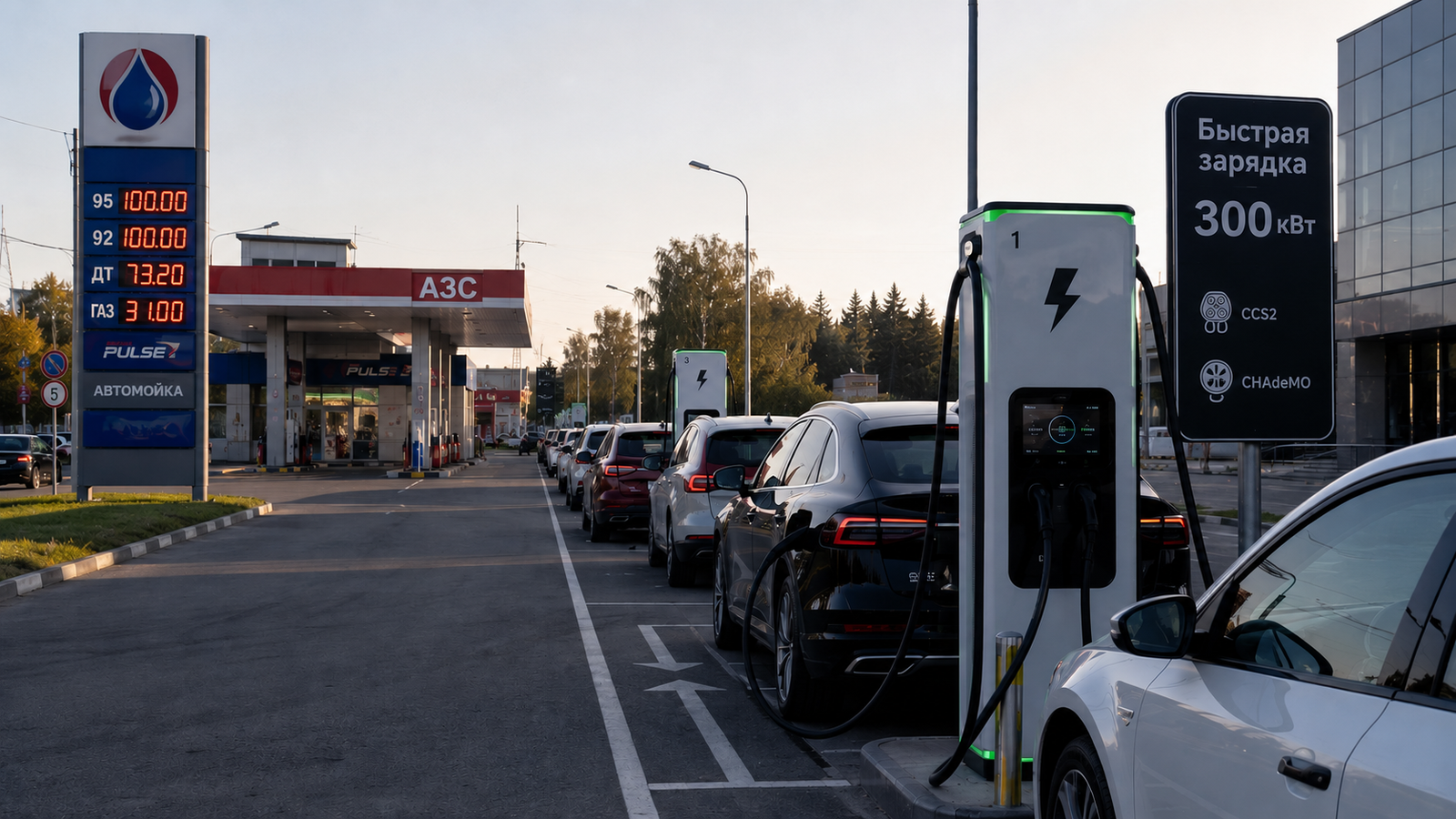
In EU countries, gasoline has risen by 18–34% over the past year, depending on the state, and the price has exceeded the psychologically important mark of 2 euros per liter.
In the US, after the start of the war with Iran, fuel costs increased by approximately 50%, exceeding $4 per gallon. In many Asian countries, prices more than doubled, and some states were forced to declare a state of emergency.
In Russia, the situation is developing according to its own scenario. The main reasons for the rise in fuel prices were:
- repair of oil refineries;
- logistical difficulties;
- high domestic demand.
As a result, the rate of gasoline price increases significantly outpaces inflation. According to recent weeks' data, fuel costs grew almost five times faster than the average inflation rate.
In some regions, the situation has become even more complicated. Some gas stations began to introduce restrictions on the volume of fuel dispensed to one buyer.
In Crimea, authorities reached an agreement with a number of gas station operators to reduce the cost of gasoline and diesel fuel, effectively moving to state price regulation.
Additional pressure arose in the Krasnodar Krai, where mass purchases of fuel for subsequent shipment to Crimea led to a temporary shortage of gasoline at some independent gas stations.
At the same time, price increases are observed almost throughout the country. For example:
- in the Novosibirsk Oblast, gasoline rose by 4–8 rubles per liter in a week;
- in Krasnoyarsk, the increase was 4–5 rubles;
- in some areas of the Sverdlovsk Oblast, the growth reached 13% in a month.
Electrification is no longer solely an environmental project
The high cost of fuel has forced many states to accelerate the transition to alternative modes of transport.
While the development of electric vehicles was initially explained primarily by the fight to reduce emissions, today more and more countries view electric transport as a tool to reduce dependence on global fuel crises.
This is especially noticeable in countries where their own energy sector is actively developing.
Norway has almost completed the transition
According to the European Alternative Fuels Observatory (EAFO), in March 2026, NEV category cars – electric vehicles and plug-in hybrids – accounted for 98.73% of all new registrations in Norway.
At the same time, the market structure has changed dramatically.
If in 2017 sales looked like this:
- electric vehicles (BEV) — 19.58%;
- plug-in hybrids (PHEV) — 17.38%;
- hydrogen cars — 0.03%;
- compressed natural gas cars — 0.02%,
today the situation has almost completely changed.
Now pure electric vehicles occupy 98.17% of the market, plug-in hybrids — only 0.56%, and the share of other types of power plants has practically disappeared.
The high level of electrification is explained by several factors at once.
For many years, the country's authorities have provided serious advantages to electric vehicle owners:
- VAT exemption;
- abolition of registration and import duties;
- 50–70% discounts on toll roads;
- the ability to use dedicated lanes;
- special parking spaces.
At the same time, environmental fees for cars with internal combustion engines increased, and fuel excise taxes rose.
The country's own characteristics played an equally important role. Norway's population is about 5.62 million people, many residents live in private houses where charging a car does not cause difficulties. In addition, more than 90% of all electricity is produced at hydroelectric power plants, thanks to which the cost of electricity remains significantly lower than the cost of gasoline.
China bet on the mass market
China also demonstrates impressive rates of electrification.
According to the China Passenger Car Association (CPCA), already in May 2026, the share of NEV category cars reached a record 63% of all new car sales.
The popularity of electric transport is explained by several reasons at once.
Firstly, prices for traditional fuel have significantly increased. If in January a liter of gasoline, converted to Russian currency, cost about 83 rubles, by May the price had increased to 116 rubles.
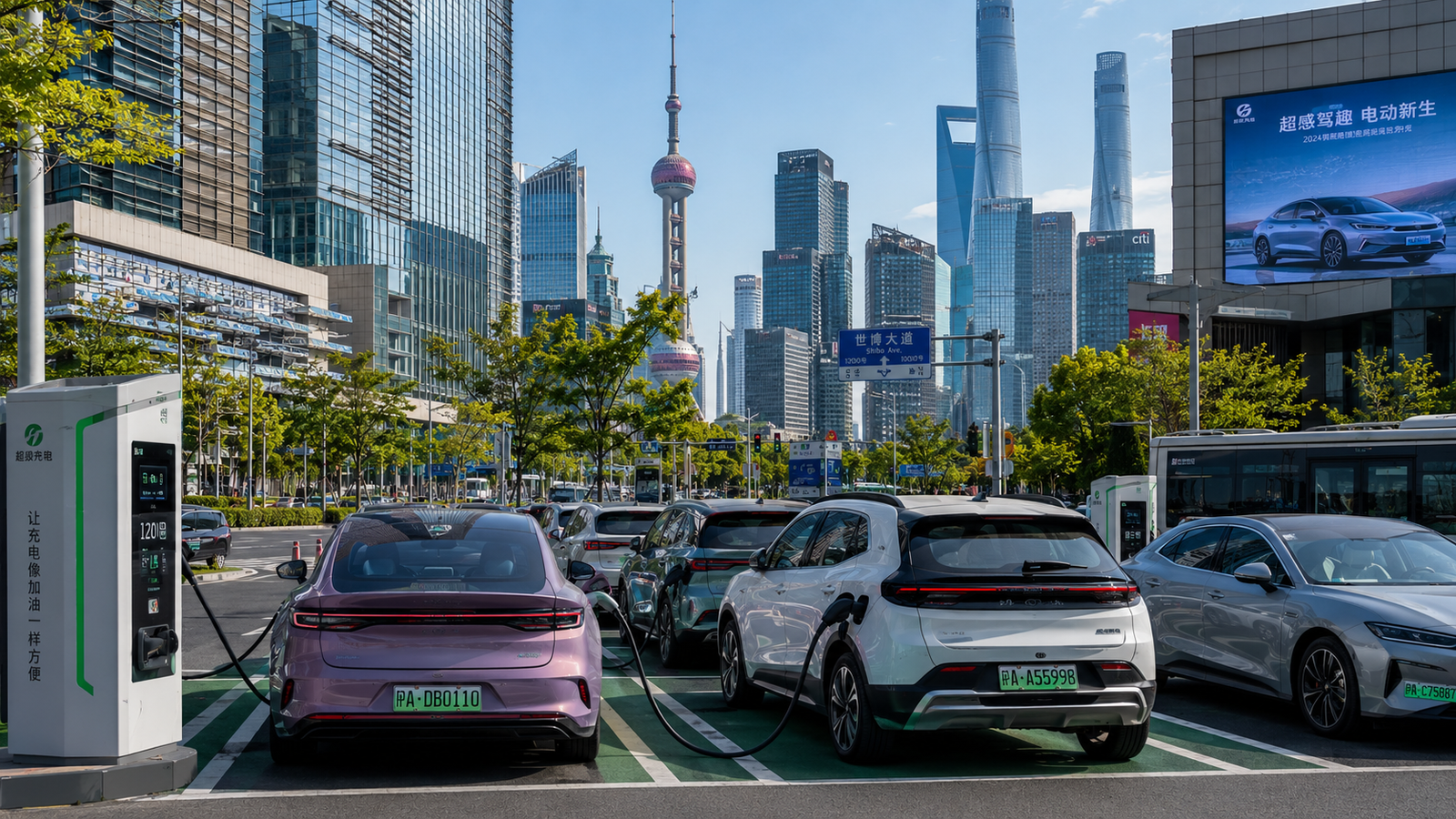
Secondly, the cost of charging remains significantly lower. It is possible to replenish the energy supply of an electric vehicle in China for approximately 10–12 rubles per kilowatt-hour.
At the same time, state support is gradually decreasing.
From January 1, 2026, the exemption of NEV category electric vehicles from purchase tax was completely abolished. Instead, a 50% benefit was introduced, and the maximum amount of tax relief was reduced to 15 thousand yuan, which corresponds to approximately 170 thousand rubles.
Price wars between manufacturers have become an additional challenge for the industry.
According to the World Bank, over three years they brought losses of approximately $68 billion to the Chinese automotive industry. In early 2026, the country's authorities banned companies from using dumping as a tool for competitive struggle.
Despite this, demand for electric vehicles continued to grow.
A significant part of the cars produced in China are exported. However, the global market is developing unevenly. In the first quarter of 2026, global electric vehicle sales decreased by 8% compared to the same period last year, mainly due to changes in the policies of China and the US.
At the same time, confident growth was recorded in other regions of the world:
- Europe — almost 30%;
- Asia-Pacific countries excluding China — approximately 80%;
- Latin America — about 75%.
In many cases, Chinese manufacturers provide a significant portion of these sales.
Where Russia stands
In the Russian market, sales of electric transport are also increasing, but the scale is still significantly inferior to global leaders.
According to "Autostat", in April 2026, the following were sold:
- 906 new electric vehicles;
- 6026 plug-in hybrids.
Compared to April last year, sales of both categories increased by 2.4 times.
However, such a high rate is mainly explained by the low base effect.
In total, 6932 NEV category vehicles were sold in April, which accounts for only 5.9% of the Russian new car market. By this indicator, Russia is significantly behind countries where vehicle electrification has already become a mass phenomenon.
At the same time, more than half of new electric vehicles — about 52.5% — are locally assembled under the brands Evolut, Moskvič, UMO, LADA, AmberAuto, and Eonyx.
Taxi companies and carsharing services continue to play a significant role in maintaining demand.
Why Norway's experience is difficult to replicate
Despite certain similarities in climatic conditions and rich natural resources, Russia and Norway are in completely different economic conditions.
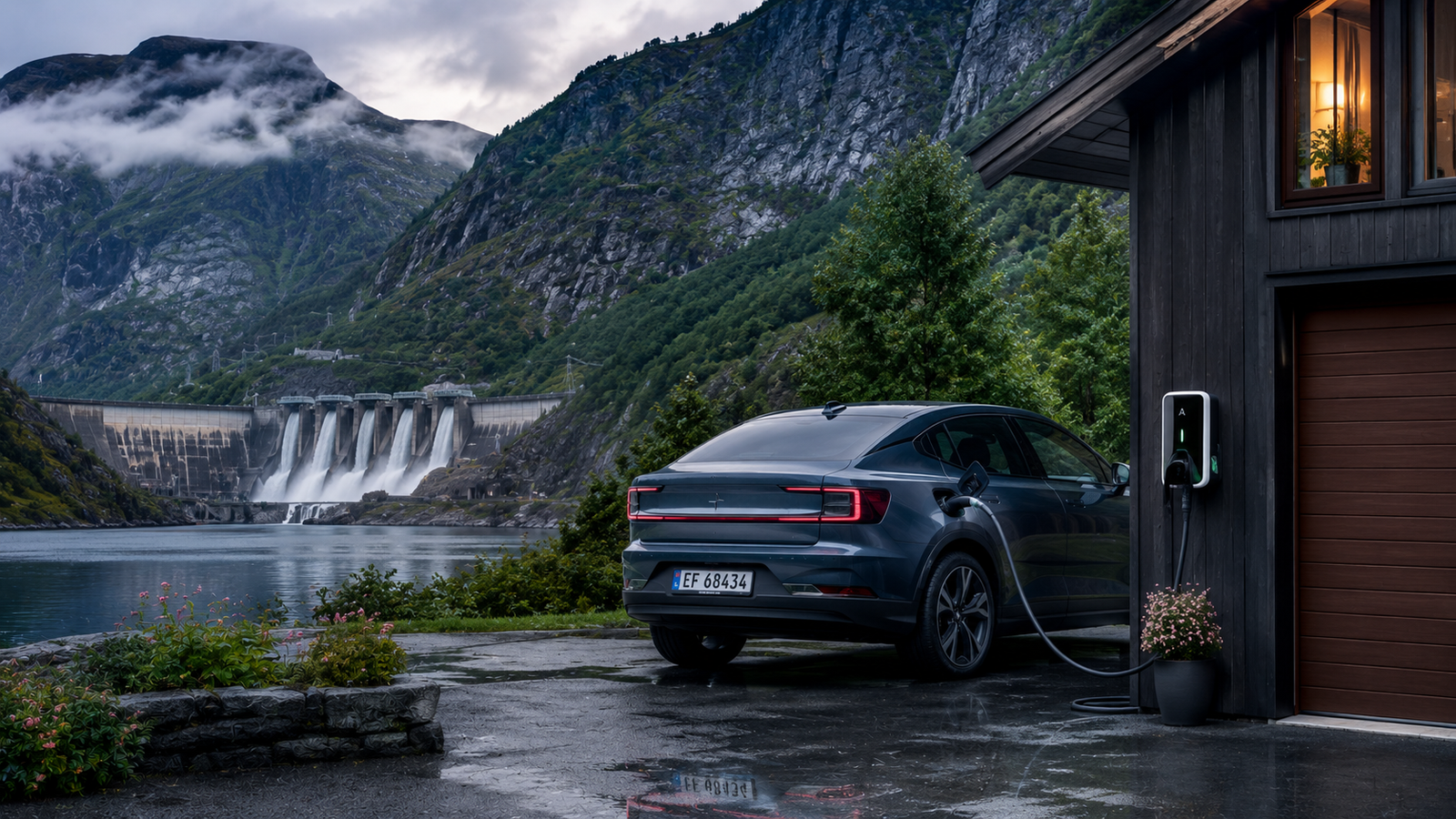
The Norwegian model relies on a combination of large-scale government incentives, cheap electricity, developed infrastructure, and a compact population.
Therefore, direct copying of this experience for Russia seems difficult.
Nevertheless, the global market shows a stable trend: rising prices for traditional fuel are gradually becoming one of the main factors accelerating the transition to electric vehicles and plug-in hybrids. That is why more and more states are considering the development of electric transport not only as an environmental initiative, but also as an element of their own energy and economic security.
Read more materials:
- The Chinese were not the first: the history of automotive doppelgangers
- MAZ-502: Minsk's first army all-terrain vehicle
- How electric vehicles are getting rid of their main problem
Comments