Zeekr has unveiled the interior of its first plug-in hybrid, the Zeekr 9X crossover, equipped with the world's largest 70 kWh PHEV battery from CATL. This battery provides an electric range of up to 302 km according to the CLTC standard and supports 6C charging, allowing a charge from 20% to 80% in 9 minutes thanks to its 900-volt architecture. The vehicle's curb weight exceeds 3 tons, and the starting price, according to CarNewsChina, is around $80,000.
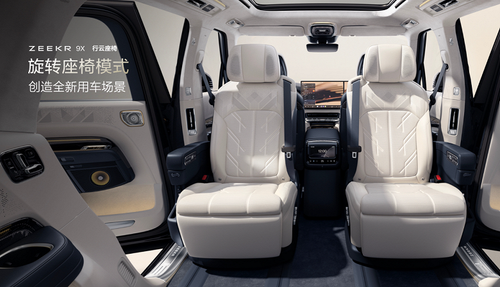
The interior of the Zeekr 9X stands out with its luxury and advanced technology. The second row features two "zero-gravity" seats, offering heating, ventilation, massage, and adjustable leg rests, with the ability to rotate 180 degrees. Rear passengers have access to a large entertainment screen. The infotainment system runs on a Qualcomm Snapdragon 8295 chip, and the solid wood center armrest includes wireless charging and crystal knobs.
Of particular note is the Naim audio system, previously only used in Bentley vehicles. The Zeekr 9X is one of only two cars in the world with this system, which includes 32 speakers, 8 vibration motors in the seats, and 40 independent channels. The 9.2.4.8 configuration system delivers 3868 W of power and a frequency range from 20 Hz to 40 kHz, creating a concert-level sound experience in the cabin.
Read more:
Lada Iskra with a ginger cat: AvtoVAZ's new product debuted in Belarus
"Not ashamed to buy": Reviews of the updated Niva Travel have appeared
"Time capsule": VAZ-2106 in factory condition appeared for sale in Russia
Комментарии