The Geely Galaxy M7, a compact plug-in hybrid crossover, has been spotted in public in China, and its interior has been seen in detail for the first time. Spy shots of the interior were published by Autohome. Previously, the model had already appeared in official documents with images of the exterior, and the new photos confirm the positioning of the new product and the general direction of design before its imminent debut.
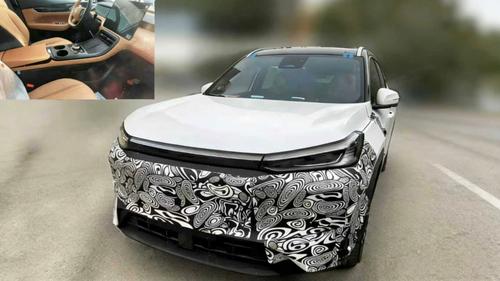
In terms of interior layout, the Galaxy M7 largely repeats the Galaxy Starship 7, known in global markets as the Geely Starray. The similar architecture of the front panel, similar steering wheel, "floating" central screen, buttons on the center console and even the pattern of the seat upholstery indicate a wide unification. At the same time, the M7 also received its own features: there is no ventilation grille across the entire width of the panel, the panel itself looks less "airy", and the door cards are finished with glossy black plastic.
The exterior also echoes the Starship 7, but with a redesigned front bumper and chrome accents. According to regulators, the Geely Galaxy M7 is 4770 mm long with a wheelbase of 2785 mm, and has a five-seat layout. The crossover is equipped with a plug-in hybrid unit based on a 1.5-liter engine with a capacity of 82 kW and a lithium iron phosphate battery, the maximum speed is 180 km/h. In the Galaxy line, the model will occupy a niche below the Galaxy M9, expanding the family of hybrid SUVs.
Read more materials:
- AvtoVAZ officially explained what gasoline should be poured into Lada
- Moskvich announced prices for the Moskvich 6 sedan of the 2026 model year
- Tank raised prices for the entire model range in Russia: Tank 500, 700 and 400 have become more expensive
Комментарии