In most cases, counterfeit car parts, oils, or fluids are distinguished by an unnaturally low price, lack of branded packaging, visual defects, or incorrect labeling. This was reported by Rossko analysts.
Most fakes enter the market through private advertisements, marketplaces, small retail outlets, and car markets, where there is no transparent control system and post-audit of suppliers, noted Timur Tursunov, head of the analytics department at the Russian auto parts distributor.
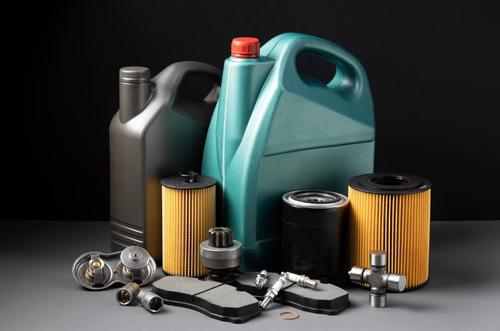
According to Rossko, oils, antifreezes, brake fluids, and other technical fluids are the main leaders in the number of fakes (71%). Next come filters (56%), suspension parts (37%), brake system elements, and automotive electronics (23.5%).
These categories remain the most vulnerable because they are the easiest to fake, and it is more difficult for the consumer to identify a fake without special knowledge.
Experts cite the departure of some reliable suppliers, rising prices for original components, and an increase in the share of online trading as reasons for the growth of fakes.
According to a survey of Rossko customers, 60% of respondents in 2025 have encountered fake or substandard auto parts at least once.
Read more on the topic:
- State program "First Car" in 2026
- How to choose windshield washer fluid for a car
- Diesel engine: at what point did the benefit disappear?