China's Ganfeng Lithium, associated with the automaker Changan, announced significant progress in the development of solid-state batteries. The company states that its new cells have already achieved an energy density of 400 Wh/kg with a lifespan of over 1100 charging cycles. The next goal is mass production of batteries with a performance of 500 Wh/kg.
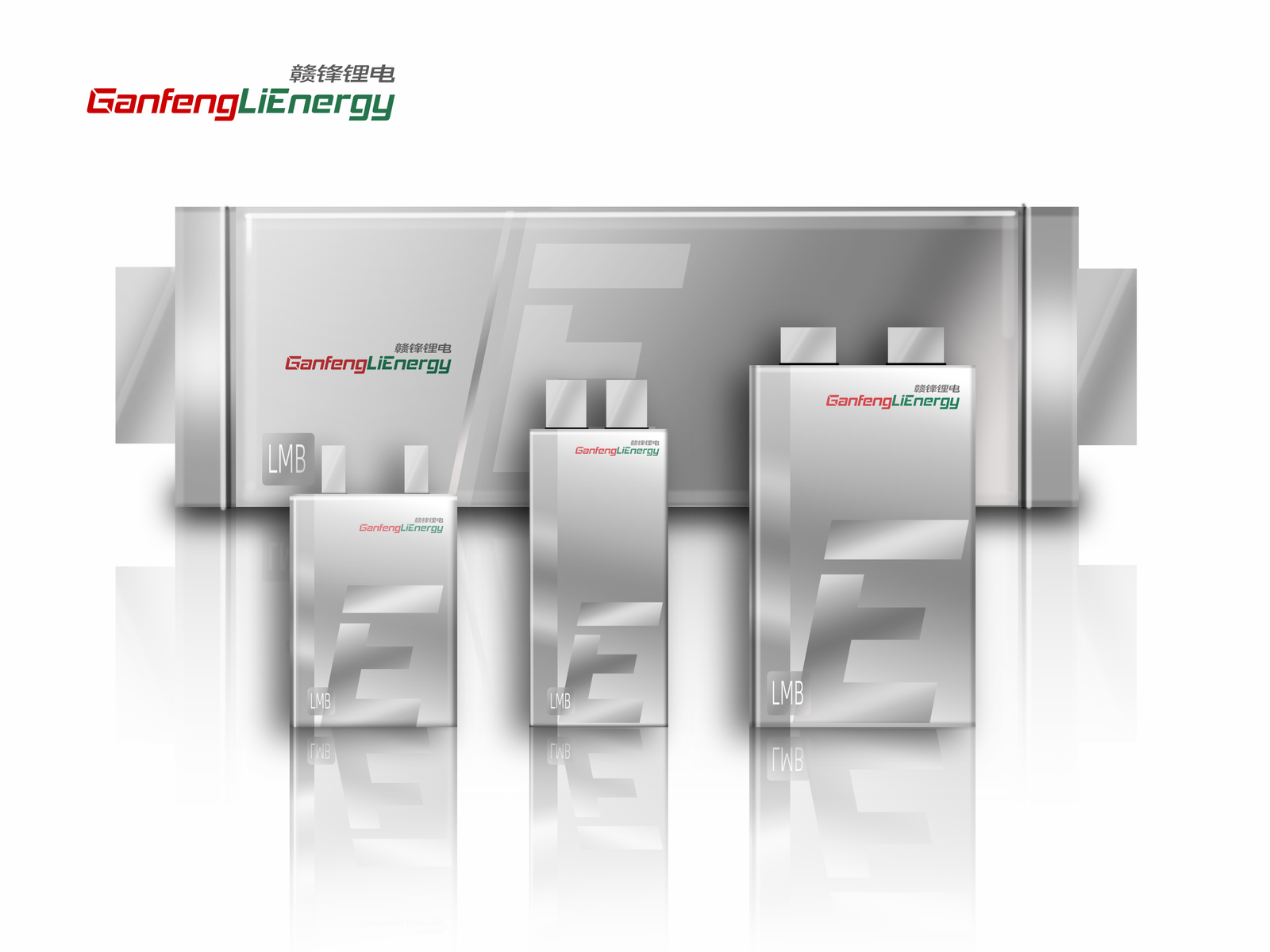
To understand the scale: most modern LFP batteries in mass-produced electric vehicles have a density of about 140–190 Wh/kg. Even many premium lithium-ion cells rarely exceed 250–300 Wh/kg. Therefore, 400 Wh/kg is considered one of the key milestones for the industry.
The main difference of solid-state batteries is the use of a solid electrolyte instead of a liquid one. Theoretically, this allows for increased safety, reduced risk of fire, and significantly increased energy storage capacity with the same battery size. This is why the technology is called the "holy grail" of the electric vehicle industry.
The declared lifespan is particularly important. Previously, many solid-state cells degraded quickly after several hundred cycles. Ganfeng claims that its battery maintains stability after 1100 cycles, which is already approaching the requirements for production cars.
The company also announced the construction of a 2 GWh production line for semi-solid and solid-state batteries. This is an important nuance: the industry is gradually moving from laboratory demonstrations to industrial scale.
Read more articles:
- Volkswagen bets on "salt" batteries: Chinese promise a revolution cheaper than lithium
- Brabus released a "Batmobile" with a V12 and this is a challenge to the entire era of electric vehicles
- Toyota hid supercar technology in RAV4 that most owners won't even notice