Modern luxury SUVs are becoming less and less "mechanical." Today, pressing the gas pedal often doesn't lead to an immediate engine response. Instead, the command passes through several layers of software processing.
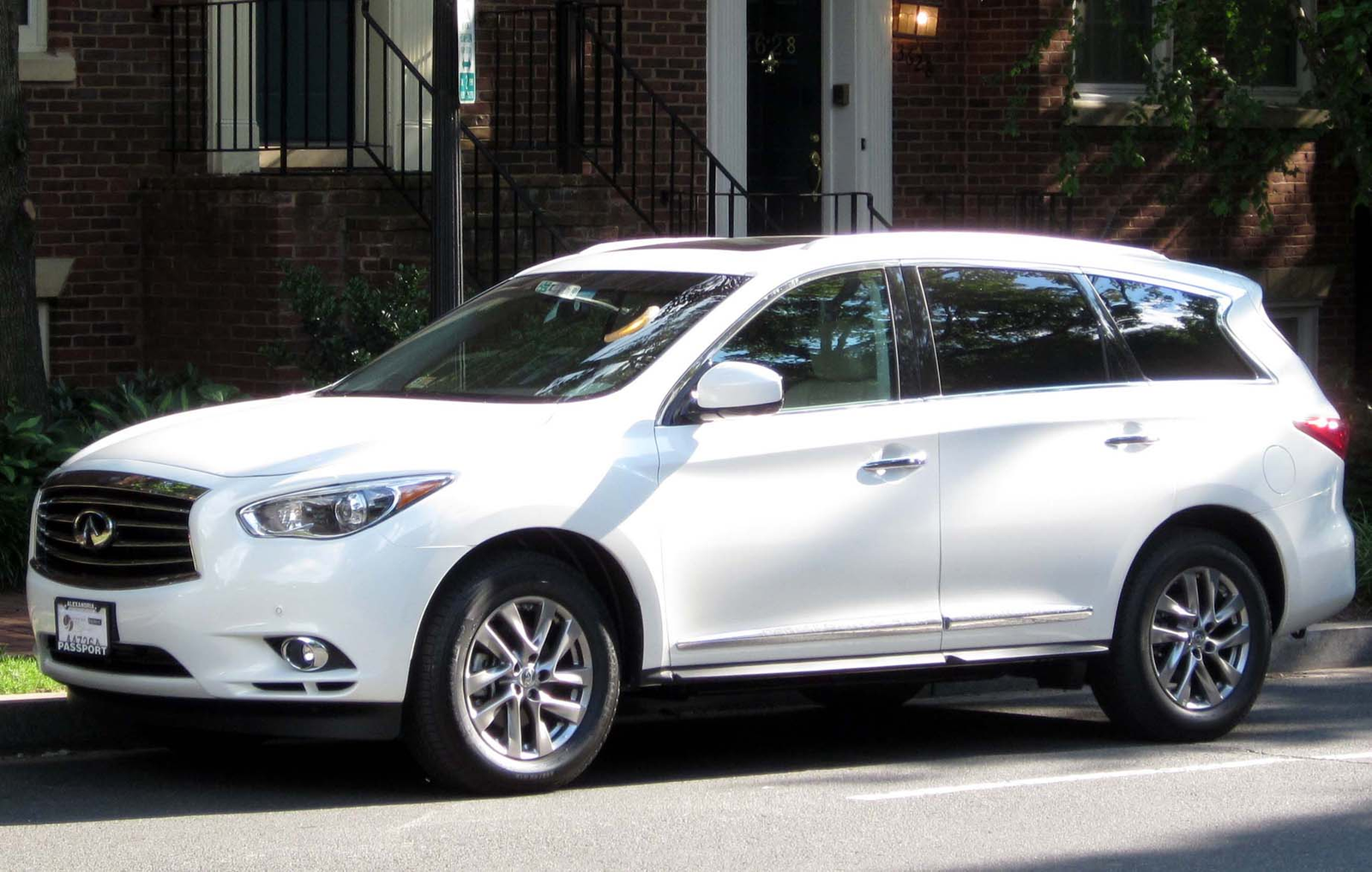
In fact, the gas pedal in new cars is less and less directly connected to the engine. Electronics analyze speed, steering wheel position, driving mode, transmission settings, stability control operation, and even the driver's presumed driving style. Only after this does the system decide how quickly and aggressively to deliver power.
This is especially noticeable in premium SUVs, where manufacturers try to achieve maximum smoothness. The reason is simple: modern cars have turned into computers on wheels. Manufacturers use complex torque-management systems to reduce jerks, lower fuel consumption, improve environmental performance, and make the car's behavior feel more "premium." But the side effect is a loss of direct connection between the driver and the car.
That's why many sports cars and older vehicles are still perceived as more "lively." In them, the reaction to the gas pedal was almost instantaneous, without multi-stage digital filtering.
The paradox of the modern industry is that SUVs are becoming faster, more powerful, and more technologically advanced, but at the same time, they increasingly isolate the driver from the car's mechanics. And now, the main role in the sensation of acceleration is played not by the engine, but by software code.
Read more materials:
- Renault is preparing an aggressive pickup for developing markets, and it doesn't look European at all
- AI can solve the main problem of fast charging: batteries will stop "dying" prematurely
- Toyota RAV4 owner physically disabled car's "tracking"