China has taken another step towards large-scale transport electrification. According to a new national strategy, by 2030, new energy trucks should account for 40% of the new heavy commercial vehicle market. Simultaneously, their share in the entire national fleet should reach 20%, which is equivalent to approximately 1.6 million vehicles.
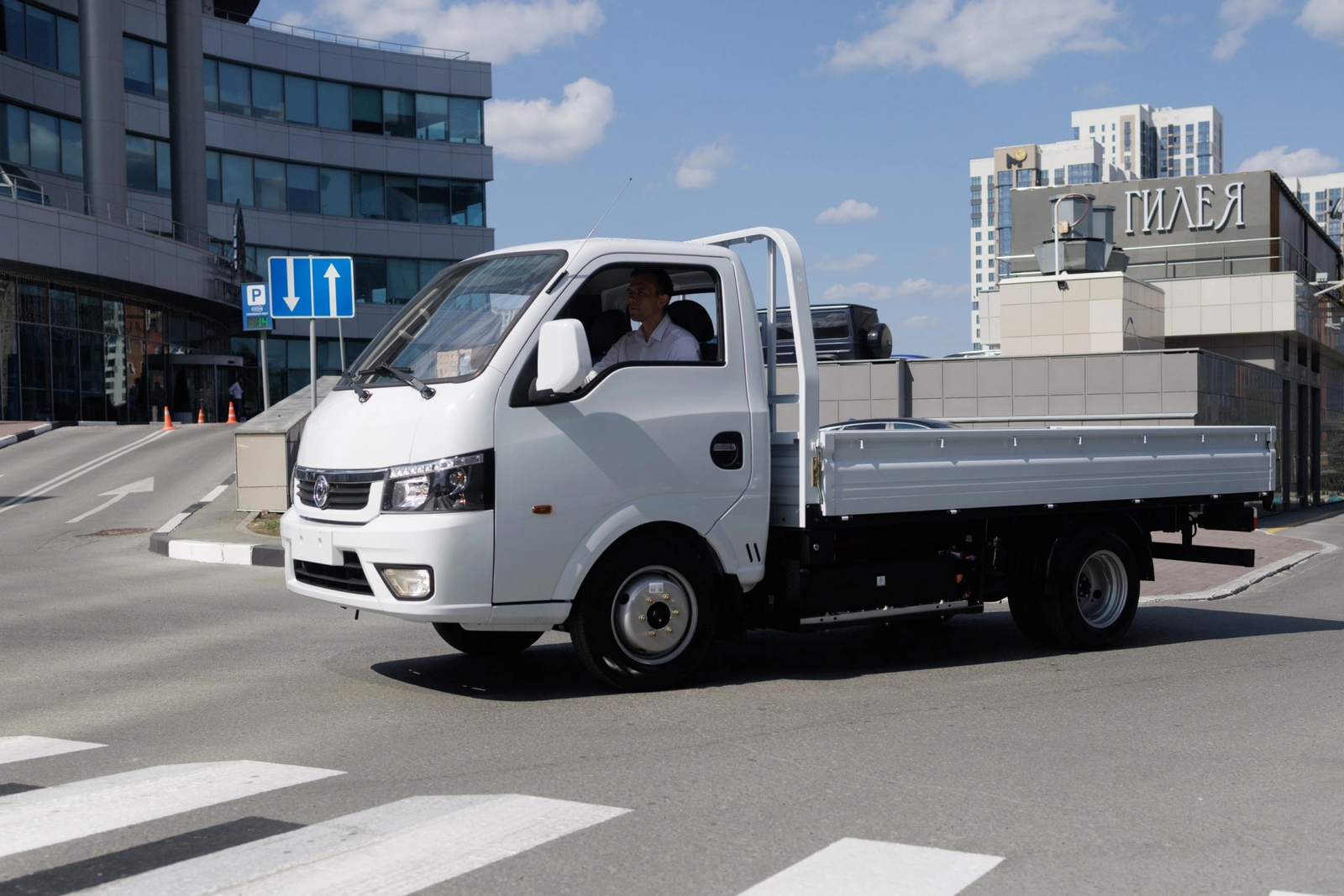
Under the term "new energy," Chinese regulators combine battery electric vehicles, plug-in hybrids, and hydrogen models. Special attention is paid to heavy trucks — one of the largest consumers of diesel fuel in the country.
Significantly, the market is already moving faster than many forecasts. In 2025, electric heavy trucks accounted for almost a third of all new sales in the segment. Just a few years ago, such vehicles were considered a niche product, but the development of charging infrastructure and government incentives have dramatically changed the situation.
To achieve this goal, China plans to create 30,000 kilometers of so-called "zero-carbon transport corridors" and deploy about 3,000 charging and battery swap stations for freight transport. On some routes around Beijing, the share of new energy trucks should reach 80%.
The new program is important not only for the automotive industry. Freight transport consumes about two-thirds of all diesel fuel in China. Therefore, a massive shift to electric traction can significantly reduce demand for petroleum products and change the entire commercial transportation market. Analysts are already calling heavy trucks one of the key drivers of the country's energy transformation.
Read more materials:
- Chinese claimed that the new Luxeed R7 crossover was designed by a former Ferrari designer, inconsistencies found in Italy
- Xiaomi invented wireless charging: a robot will connect itself to an electric car
- Haval H6 returned to its roots: GWM bestseller unexpectedly abandoned controversial decisions
Комментарии