Many Chinese crossovers look modern and promise comfort for a reasonable price, but their suspension is often a weak link. On broken surfaces, it is the chassis that gives up first, and repairs often result in significant expenses. Below are five popular models that require intervention more often than others.
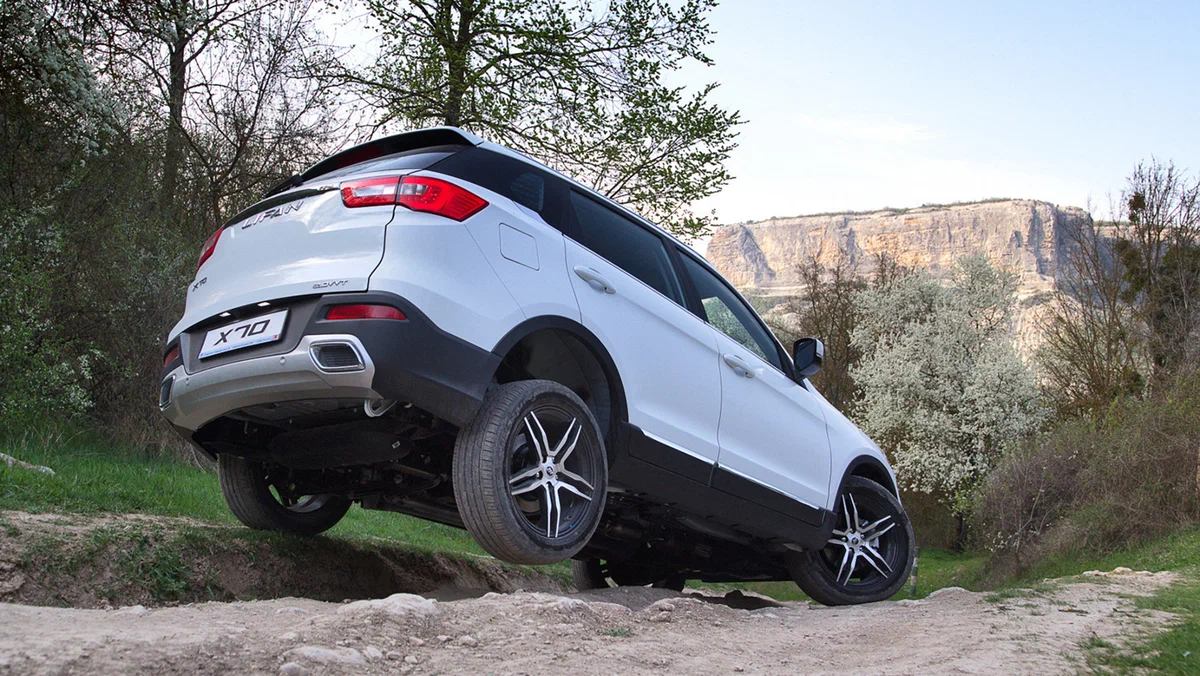
Lifan X70 is the first on the list of weaklings.
The crossover seems hardy, especially thanks to the energy-intensive suspension, capable of swallowing potholes and bumps. But the effect is deceptive. Squeaks and knocks appear in the first thousands of kilometers, and the shock absorbers often fail by 30,000 kilometers. Stabilizer struts and bushings do not last long - about 50-60 thousand, and the rear multi-link suspension requires serious repairs by 70,000 kilometers due to the destruction of silent blocks and misaligned wheel alignment. Because of this, tires begin to wear out quickly from the inside. Repairing the X70 suspension is not cheap, as you often have to replace several elements at once. However, owners can save money by using non-original parts - there are enough durable analogues on the market that can withstand Russian roads better than the original.
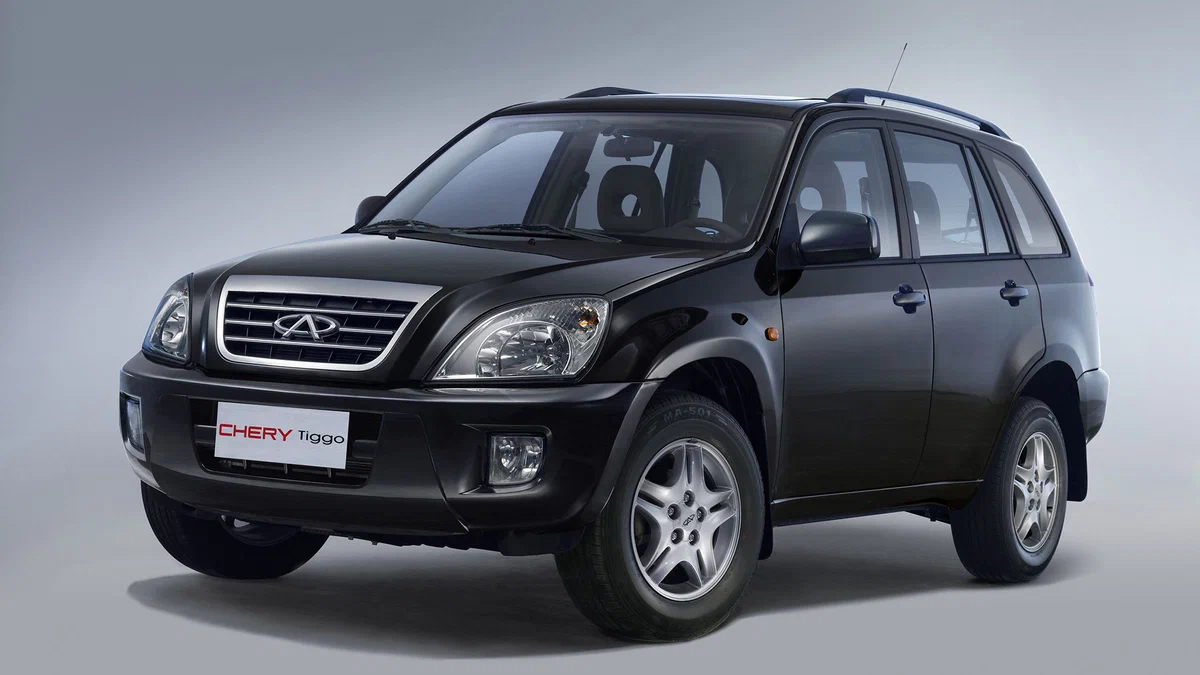
Chery Tiggo - a weak copy of the Japanese suspension.
The Tiggo suspension design is borrowed from the Toyota RAV4, but the Chinese version turned out to be noticeably less reliable. After 30-40 thousand kilometers, stabilizer bushings and struts require replacement, and shock absorbers rarely last more than 100,000. After that, the springs usually "wear out" as well. The rear suspension causes no less trouble - camber bushings often seize, which makes wheel alignment a problem. Although the wheel bearings are able to travel up to 150 thousand kilometers, this result looks like a modest consolation against the general background. The situation is saved only by Japanese analogue parts, which last longer and cost reasonable money.
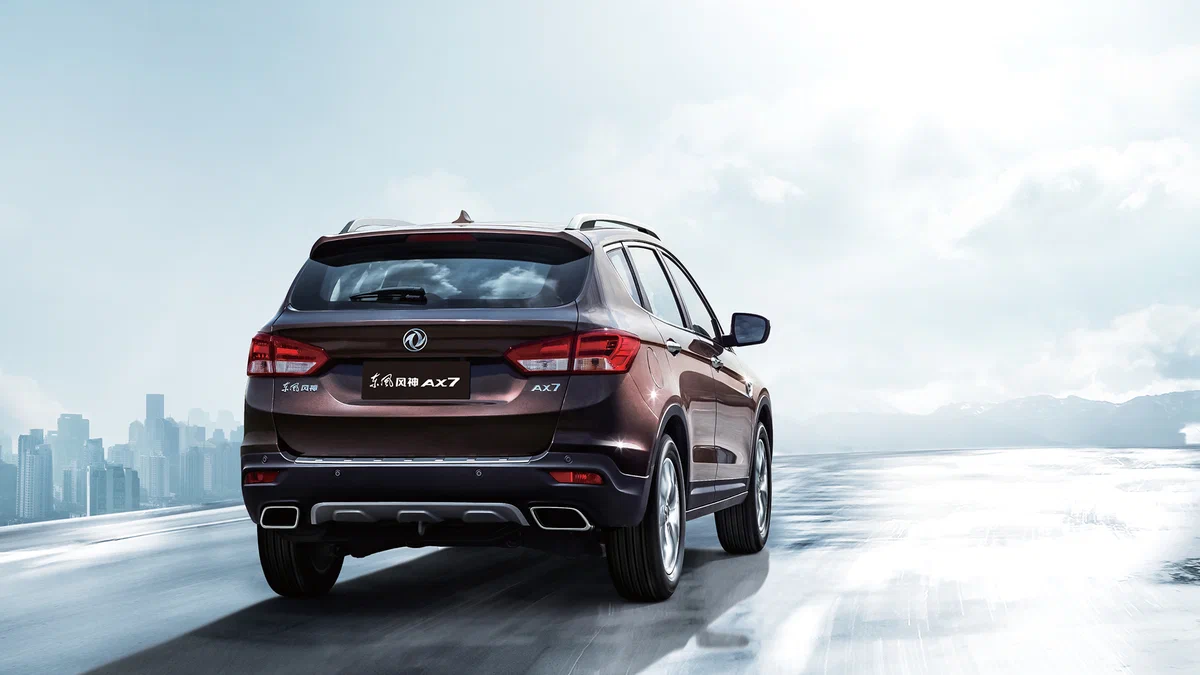
DongFeng AX7 - sensitive chassis and weak bearings.
The crossover externally resembles the Hyundai Santa Fe, but technically it is closer to the Honda CR-V. Despite the familiar suspension scheme - McPherson at the front and multi-link at the rear - it does not differ in durability. By 60-70 thousand kilometers, the rear wheel bearings often fail, and the shock absorbers begin to lose efficiency after 80-90 thousand. Add to this the breaking silent blocks of the levers and stabilizer struts, which live no longer than 100 thousand - and it becomes clear that operating the AX7 on bad roads turns into regular expenses. Even in good condition, the crossover does not please with handling: the steering wheel is light and inaccurate, and the ride is mediocre.
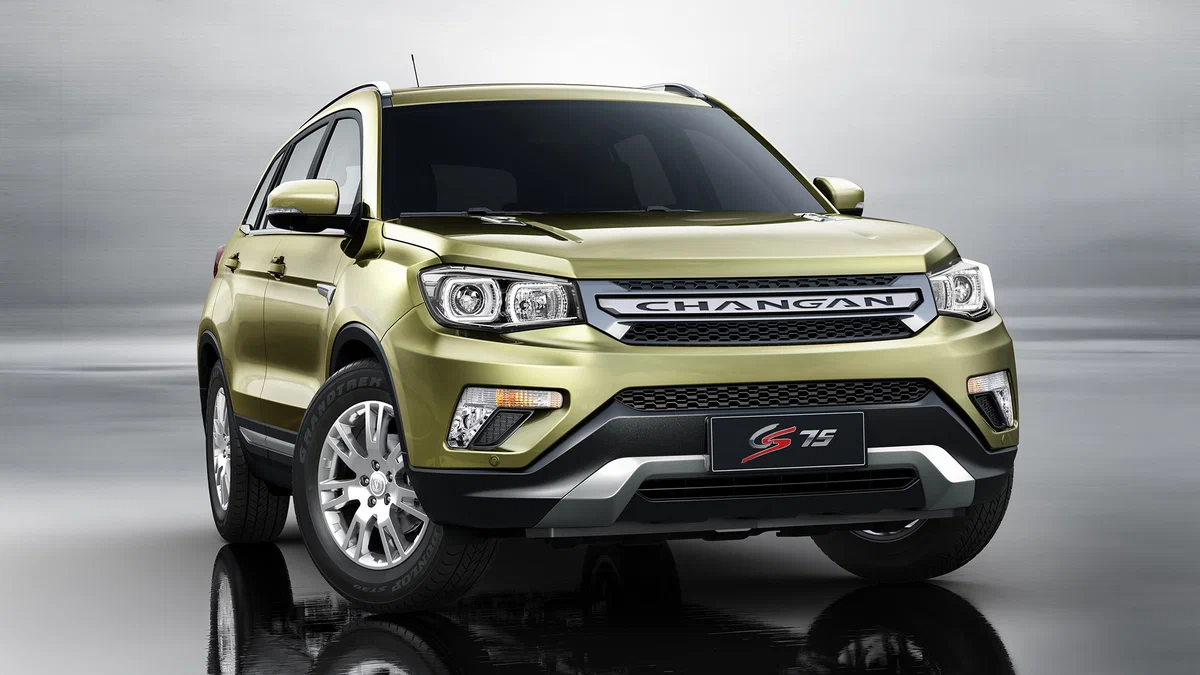
Changan CS75 - pleasant on asphalt, vulnerable on potholes.
Externally and in terms of dynamics, the CS75 makes a good impression, especially with all-wheel drive. The suspension is balanced in stiffness, the car confidently holds the course and does not lose comfort even on bumps. But after 50-60 thousand kilometers, the bushings and stabilizer struts begin to knock, by 100 thousand the shock absorbers give up, and the silent blocks of the rear levers lose elasticity. Another characteristic problem is the sagging of the rear springs after 80-100 thousand kilometers, especially when driving fully loaded. Add to this the weak anti-corrosion protection: the suspension elements quickly rust, especially in winter, and the dust boots crack in the cold, which accelerates the wear of parts.
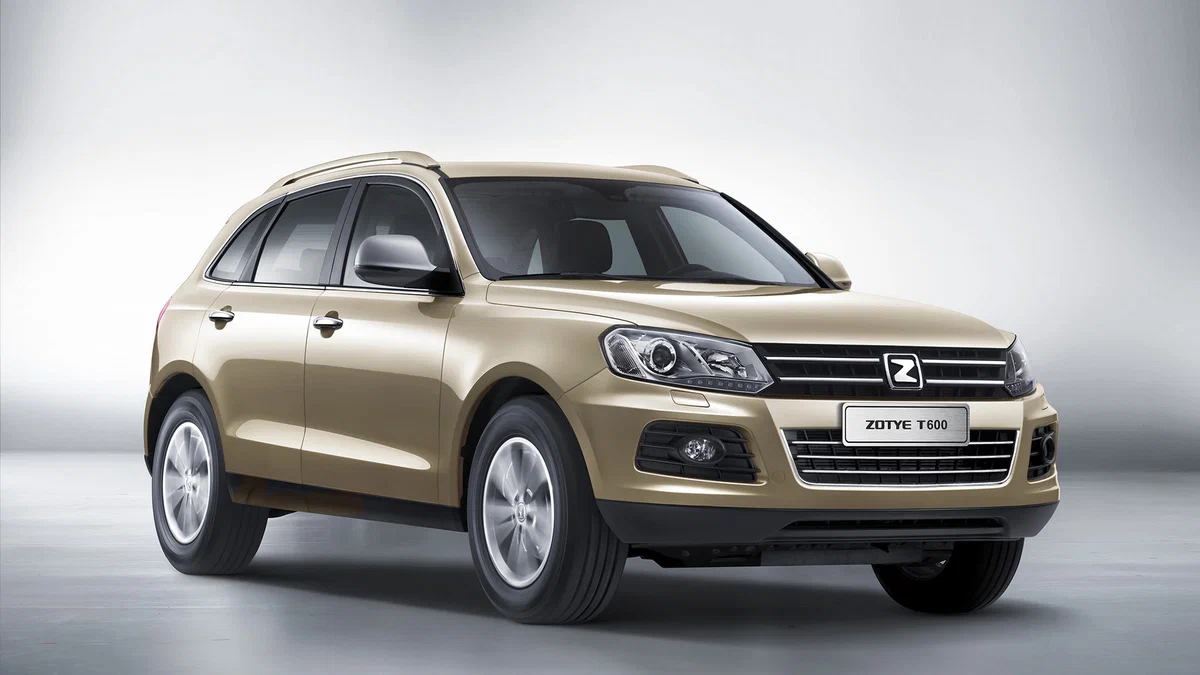
Zotye T600 - looks like a Touareg, but does not shine with endurance.
The crossover, assembled in Belarus, externally resembles the Volkswagen Touareg, but its technical resource is incomparably lower. Shock absorbers rarely last more than 60-80 thousand kilometers, and levers and silent blocks quickly lose stiffness, causing looseness of the suspension and misalignment of the wheel alignment. The main enemy of the model is corrosion. After a few winters, rust affects the bolted connections and elements of the rear multi-link suspension, making disassembly and repair extremely difficult. The situation is aggravated by the shortage of original spare parts: official support for Zotye in Russia has been discontinued, and analogues from Hyundai are not suitable for all components.
Most Chinese crossovers of recent years have significantly improved in design and equipment, but in terms of suspension reliability, they are still noticeably inferior to Japanese and Korean analogues. For Russian roads, this means one thing - owners should be prepared for early repairs and thorough maintenance, especially if the car is operated outside of asphalt.
Read more materials:
- Very expensive: Audi A6 is being sold again in Russia
- In Belarus, only two Lada Auras were sold in eight months - and not quickly
- Prices for Exeed Exlantix ET have been revised in Russia
Комментарии