We may treat our car with care, but some everyday actions gradually undermine its lifespan. Many drivers don't even suspect that habits that seem harmless turn into a cause of early breakdowns and significant investments in repairs. Expert Dmitry Novikov highlighted seven common mistakes that slowly destroy the equipment.
One of the most harmful habits remains driving with an almost empty tank. The fuel pump is cooled only by gasoline, and at a low level it begins to draw in air, which causes overheating and accelerated wear. The expert reminds that a safe minimum is a quarter of a tank, especially in hot weather and on long trips, where the pump operates with increased load.
No less dangerous is the habit of accelerating sharply immediately after starting a cold engine. While the oil is thick and has not had time to completely enter all channels, the lubrication of the components is incomplete. A sharp "pedal to the metal" at this moment leads to increased friction and accelerated wear of the cylinder-piston group. It is enough to give the engine 20-30 seconds of stable operation and a few minutes of calm driving to avoid negative consequences.

Delaying scheduled maintenance is another hidden "killer" of the resource. Oil loses its protective properties over time, filters become clogged, and antifreeze ceases to effectively protect against corrosion. And the timing belt can leave the owner without an engine if it breaks on the go. Regular maintenance is not a formality, but a way to prevent major and costly breakdowns.
Ignoring warning signals also causes serious damage to the car. A lit "Check Engine" indicator, a low oil pressure lamp, or strange sounds in the suspension never appear without a reason. Even a short trip with such symptoms can lead to sad consequences: from oil starvation to the destruction of suspension components. The car gives advance notice that it needs attention, it is only important not to miss these clues.
Fans of the "gas-brake" style are also at risk. Sharp decelerations lead to rapid wear of brake discs and pads, overheat the system and increase the load on the suspension. Shock absorbers, stabilizer bushings and ball joints operate at their limit in this mode. Smooth braking and proper distance allow you to extend the life of the entire chassis.
Shifting gears without completely stopping is also considered a dangerous habit. Moving the automatic selector from Drive to Reverse "on the go" deals a serious blow to the friction clutches and planetary gears. The gearbox receives loads for which it is simply not designed. This is most often the cause of a major overhaul of the automatic transmission, which costs more than many other components.
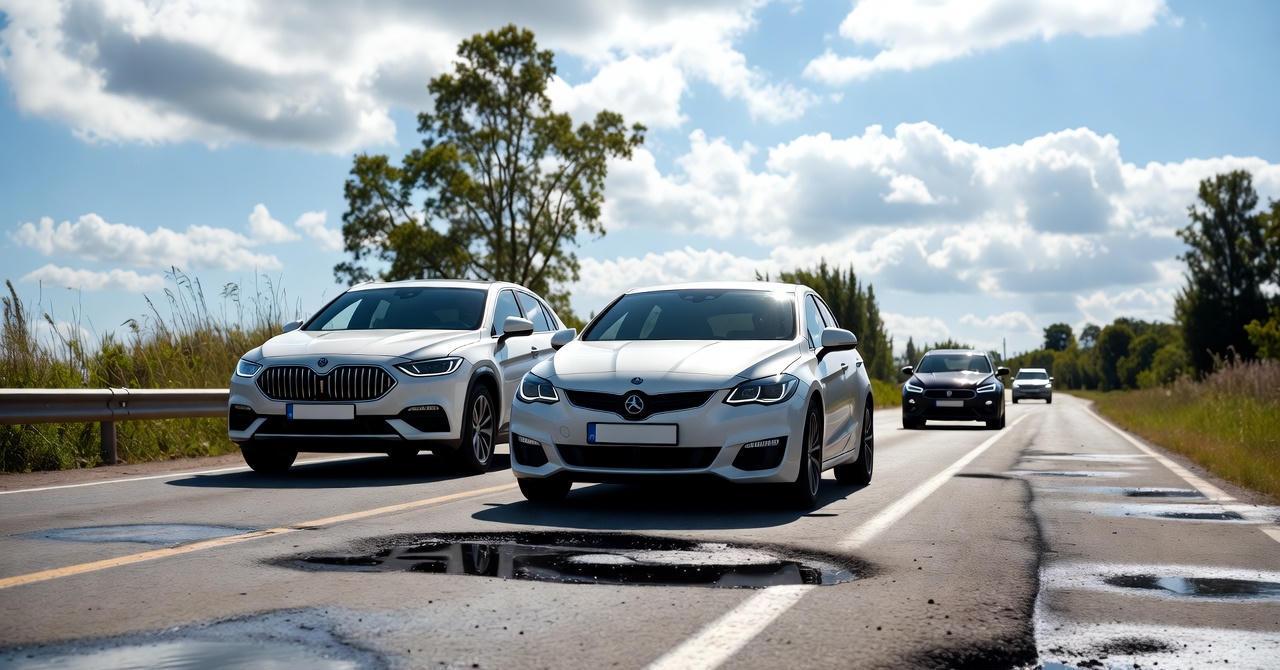
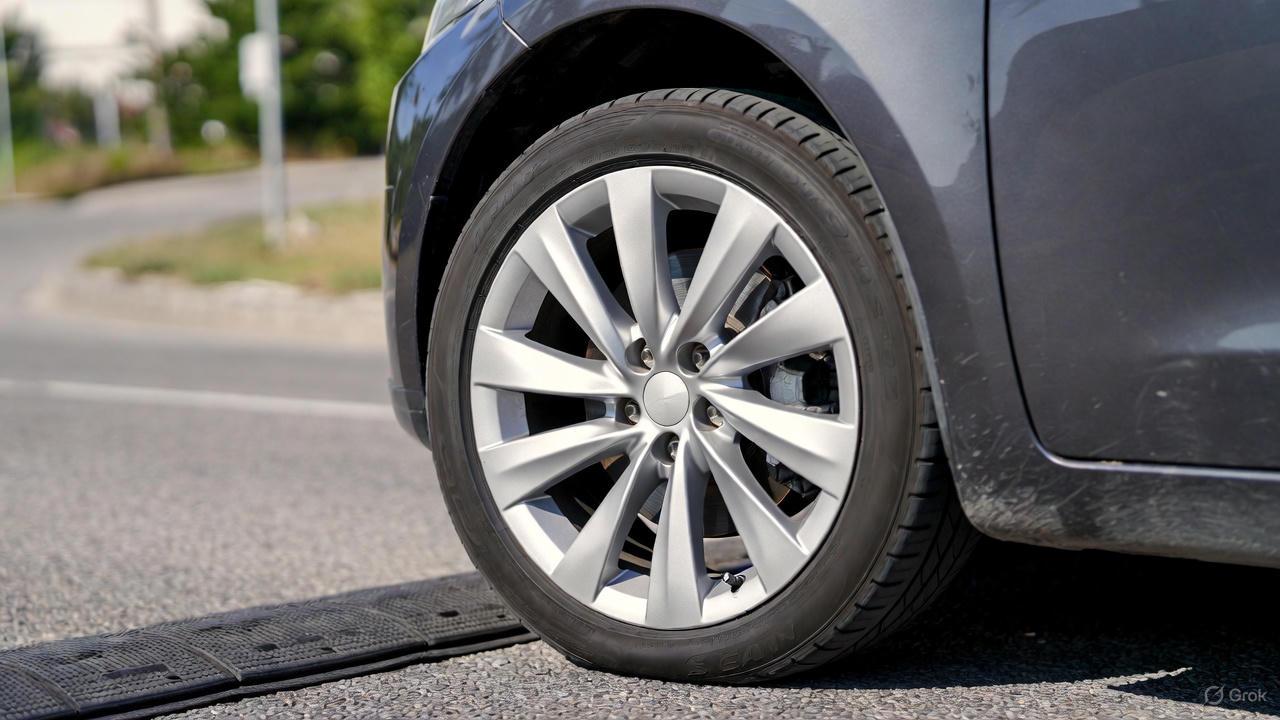
Completing the list is the habit of "flying" over potholes and speed bumps. Impact at speed destroys struts, ball joints, silent blocks and can deform discs. Moments when the car literally jumps on bumps are especially harmful. The safe algorithm is simple: reduce speed to 10-15 km/h and carefully bypass deep potholes.

It is these seven habits - driving on an empty tank, sharp accelerations when cold, skipping maintenance, ignoring signals, hard braking, shifting gears "on the go" and fast driving on rough roads - that most often cause premature aging of the car. By getting rid of them, the driver will significantly extend the life of the engine, suspension, gearbox and brakes, and also reduce the risk of costly repairs.
Read more materials:
- AvtoVAZ officially explained which gasoline should be poured into Lada
- Moskvich announced prices for the Moskvich 6 sedan of the 2026 model year
- Tank raised prices for the entire model range in Russia: Tank 500, 700 and 400 have become more expensive