Winter is traditionally considered the most difficult period for a car. Low temperatures, short trips, and frequent cold starts create increased stress on the engine, and any maintenance error can lead to problems with the first frosts. That is why choosing motor oil in the cold season has ceased to be a formality and has turned into a matter of reliability and safety.
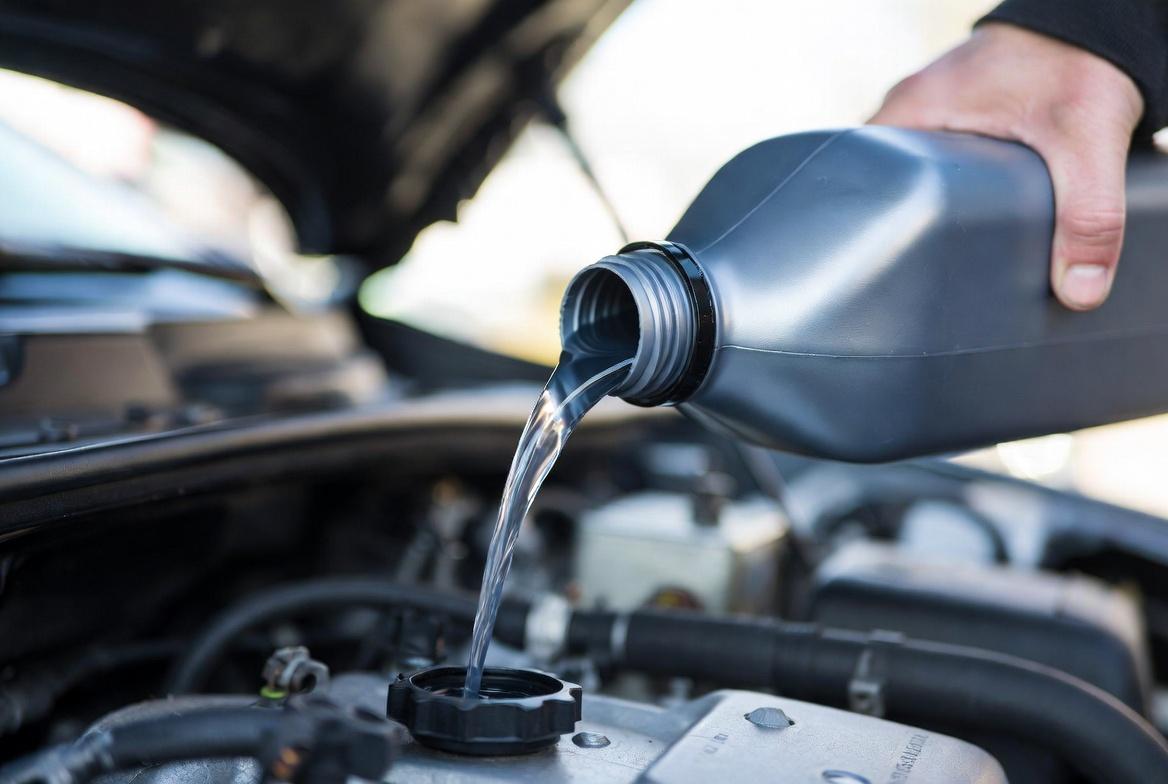
At the opening of the new "G-Energy Service ROLF" station in Novosibirsk, service specialists, lubricant developers, and motorsport representatives explained in detail why it is especially important to use the right oil in winter. According to Yulia Trushkova, Service Director at ROLF, preparing a car for cold weather should begin with professional diagnostics. High-quality consumables, timely maintenance, and monitoring the engine condition allow you to identify potential risks in advance and avoid sudden failures on the road.
One of the most common winter problems remains difficulty starting the engine. The reason often lies in unsuitable or outdated oil, which thickens in the cold and prevents normal pumping through the system. Konstantin Schmidt, Technical Director of the "G-Energy Service ROLF" service station, explains that dynamic viscosity plays a key role here. The lower it is, the easier it is for the starter to crank the crankshaft. It is synthetic oils that best maintain fluidity at negative temperatures and ensure a quick and confident start.
The experts paid special attention to diagnostic technologies that were recently only available to motorsport. The G-Energy mobile laboratory allows for non-destructive engine analysis directly from a sample of used oil. Specialists assess the concentration of metals, the level of oxidation, and the residual base number, which can be used to judge the degree of wear, overheating, and quality of lubrication. This approach makes it possible to predict the engine's life and accurately determine the optimal time for maintenance.

The operation of this technology was clearly demonstrated using the example of a gasoline turbo engine from a 2023 Changan Uni-T crossover with a mileage of 16,530 km. An analysis of several drops of oil showed a decrease in kinematic viscosity, a typical phenomenon for urban driving with frequent starts and stops. It also became clear that the oil is approaching the limit of the permissible base number, which means it is time to change it. Experts emphasized that violating replacement intervals is especially dangerous in winter, when the engine experiences increased loads.
Experts also reminded us about the correct operation of the car in cold weather. Regular trips on the highway lasting 20-30 minutes allow the engine to reach operating temperature, and fuel and moisture that accumulate during short city trips evaporate from the oil. At the same time, warming up the engine before starting to drive at sub-zero temperatures remains a mandatory rule that directly affects the service life of the power unit.
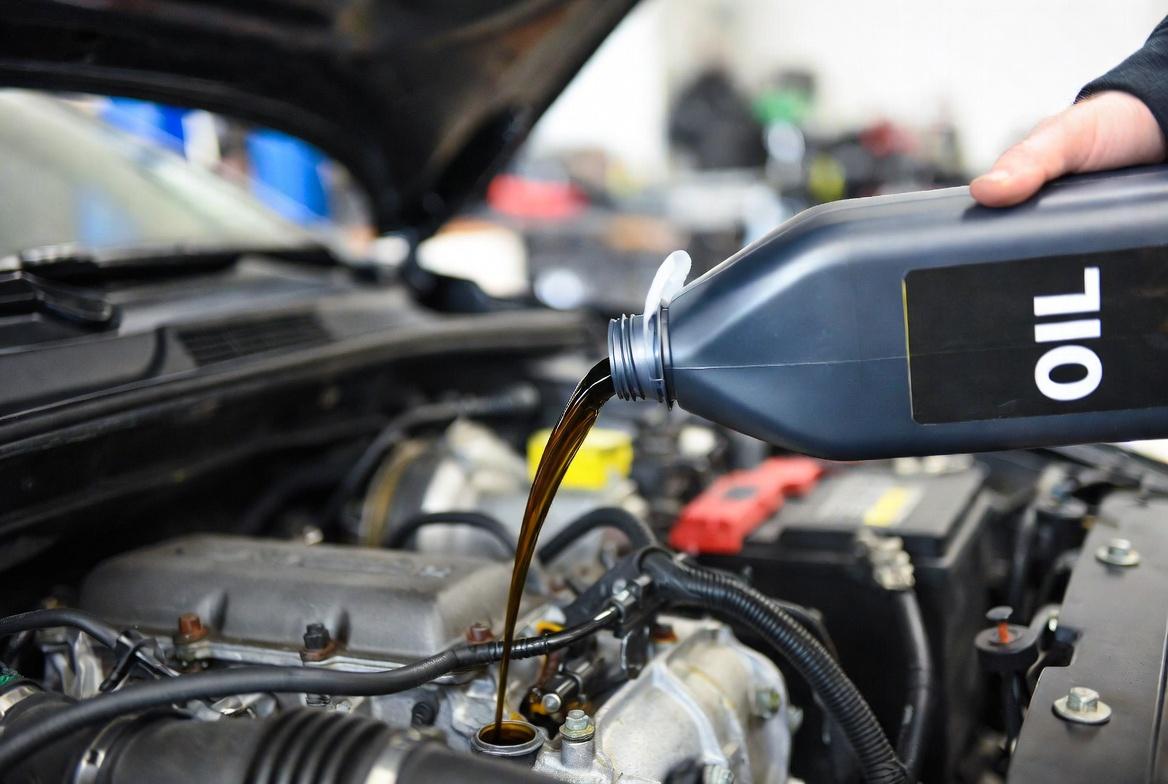
Speaking about the advantages of synthetic oils, experts noted the special structure of their base. Synthetics with a high viscosity index maintain a stable oil film both in the cold and at high temperatures, age more slowly, and better protect the engine from carbon deposits and sludge. A full production cycle becomes an additional factor of reliability: G-Energy oils are produced at Gazpromneft-Lubricants' own facilities, which ensures stable characteristics from batch to batch. It is no coincidence that synthetic oils have been used in motorsport for many years - as endurance racing world champion Roman Rusinov noted, technologies tested on the track today directly contribute to the life and reliability of ordinary road cars.
Read more materials:
- AvtoVAZ Officially Explains Which Gasoline to Use in Lada
- Moskvich Announces Prices for the Moskvich 6 Sedan, 2026 Model Year
- Tank Raises Prices for the Entire Model Range in Russia: Tank 500, 700, and 400 Become More Expensive
Комментарии