The second half of December has traditionally been a golden time for car buyers: dealers competed to lure customers with New Year's promotions, bonuses, and large discounts. However, at the end of 2025, the usual picture changed noticeably. Holiday offers are formally available, but their scale is no longer comparable to what the market has accustomed Russians to for years. The main activity has shifted to the level of individual dealerships, and importers have preferred to take a wait-and-see position.

If you browse the official websites of car manufacturers, it is difficult to find a sense of celebration. The special offers sections feature a standard set: benefits on car loans, Trade-In, and insurance. These are working tools, but they were also in effect in the fall, and even in the summer. Experts explain the situation not only by the policies of brands, but also by the behavior of buyers themselves. Russians are increasingly choosing a model of saving and postponing large expenses, even despite a stable income.
Dealers confirm that mass discounts have faded into the background due to limited inventory and local shortages of certain models. Importers curtailed most support programs in the fall, when sales suddenly picked up. Nevertheless, targeted offers remained. For example, on popular Li Auto crossovers, the total benefit with a loan, comprehensive insurance, and Trade-In can reach 500,000 rubles, although you sometimes have to wait until 2026 for the desired configuration.
The situation is similar in dealer networks: instead of direct discounts, buyers are offered gifts and additional options. In centers working with Omoda and Jaecoo, these are winter tires, equipment, and insurance. For Dongfeng commercial models, you can get a significant discount and even such specific bonuses as a tachograph or urea deactivation. However, the dealers themselves do not hide the fact that these are not New Year's promotions, but long-standing programs, simply presented under a seasonal guise.
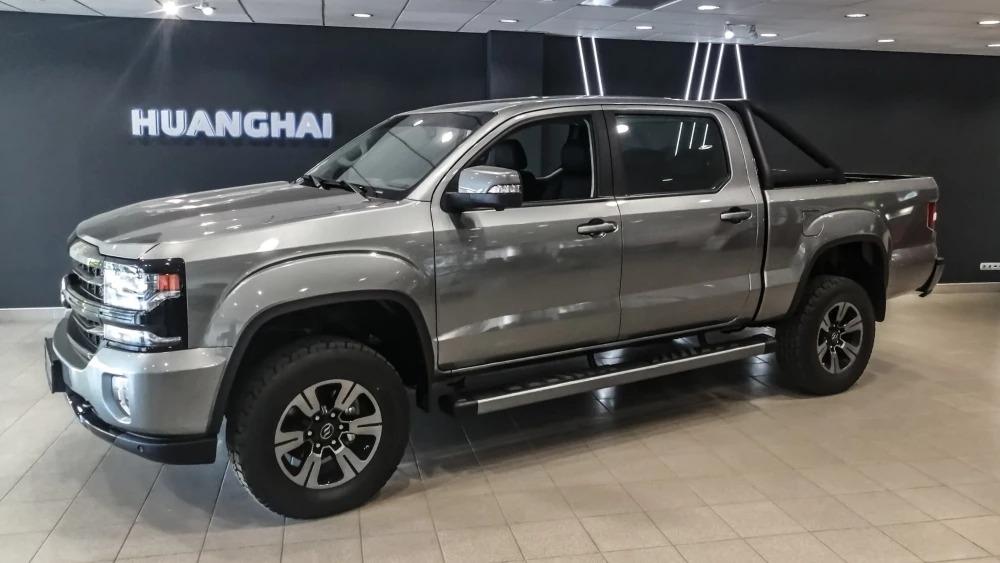
Some brands have chosen a "do no harm" strategy. Their pre-New Year's concern is not to raise prices before the holidays. The reason is clear: the market is preparing for changes in the recycling fee and an increase in VAT from 20% to 22%. In such circumstances, active discounts become risky, and companies prefer to keep current prices, sacrificing marketing effect.
Speaking of specific brands, Haval special conditions today apply mainly to pickups and certain models of the Pro line. The amount of "direct benefit" rarely exceeds 200,000 rubles, and for some cars the discounts are minimal. Tenet relies on preferential lending and Trade-In: there are almost no direct discounts, but a total benefit is still possible, especially on older models.
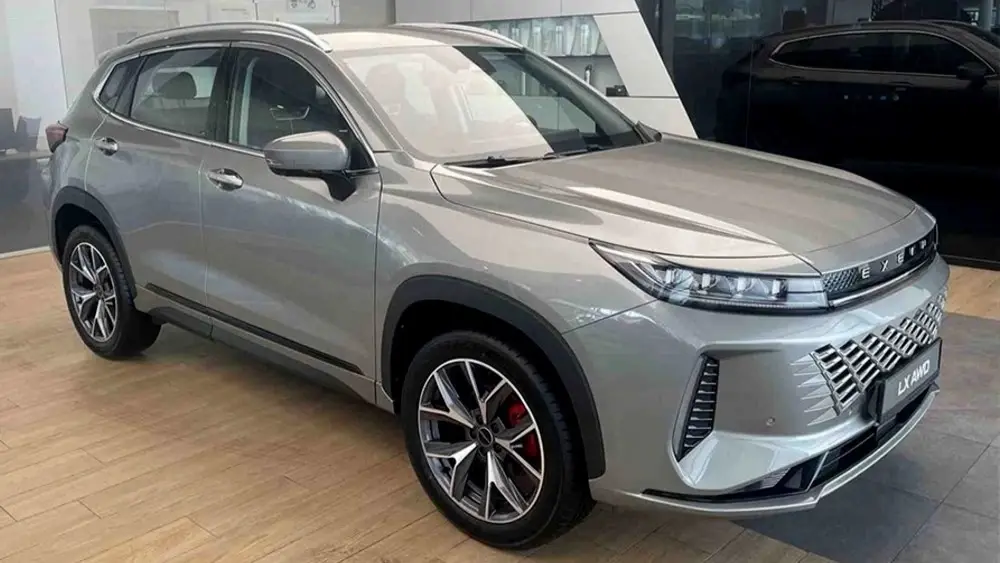
At Geely, the picture is slightly brighter, but there are no revolutions here either. The flagship Monjaro is sold with a set of discounts of up to 550,000 rubles, which allows you to keep the price below the psychological mark of 4 million rubles. On Cityray and Atlas, the benefits are more modest and fit into several hundred thousand. As a result, the end of 2025 showed that New Year's miracles in the car market have not been canceled, but have become much more restrained. There are discounts, but now you need to carefully count them, compare them, and not expect the former scale.
Read more materials:
- AvtoVAZ Officially Explains Which Gasoline to Use in Lada
- "Moskvich" Announces Prices for the "Moskvich 6" Sedan of the 2026 Model Year
- Tank Raises Prices for the Entire Model Range in Russia: Tank 500, 700, and 400 Prices Increase
Комментарии