From January 1, 2026, another indexation of the vehicle recycling fee came into force in Russia. The changes affected both new and used cars, and experts warn of possible price growth. In December 2025, the government significantly revised the tax calculation methodology: now the rate depends not only on engine displacement, but also on vehicle power. The preferential tariff for individuals applies only to cars with engines up to 160 hp, while for all others the rate has been increased many times over.
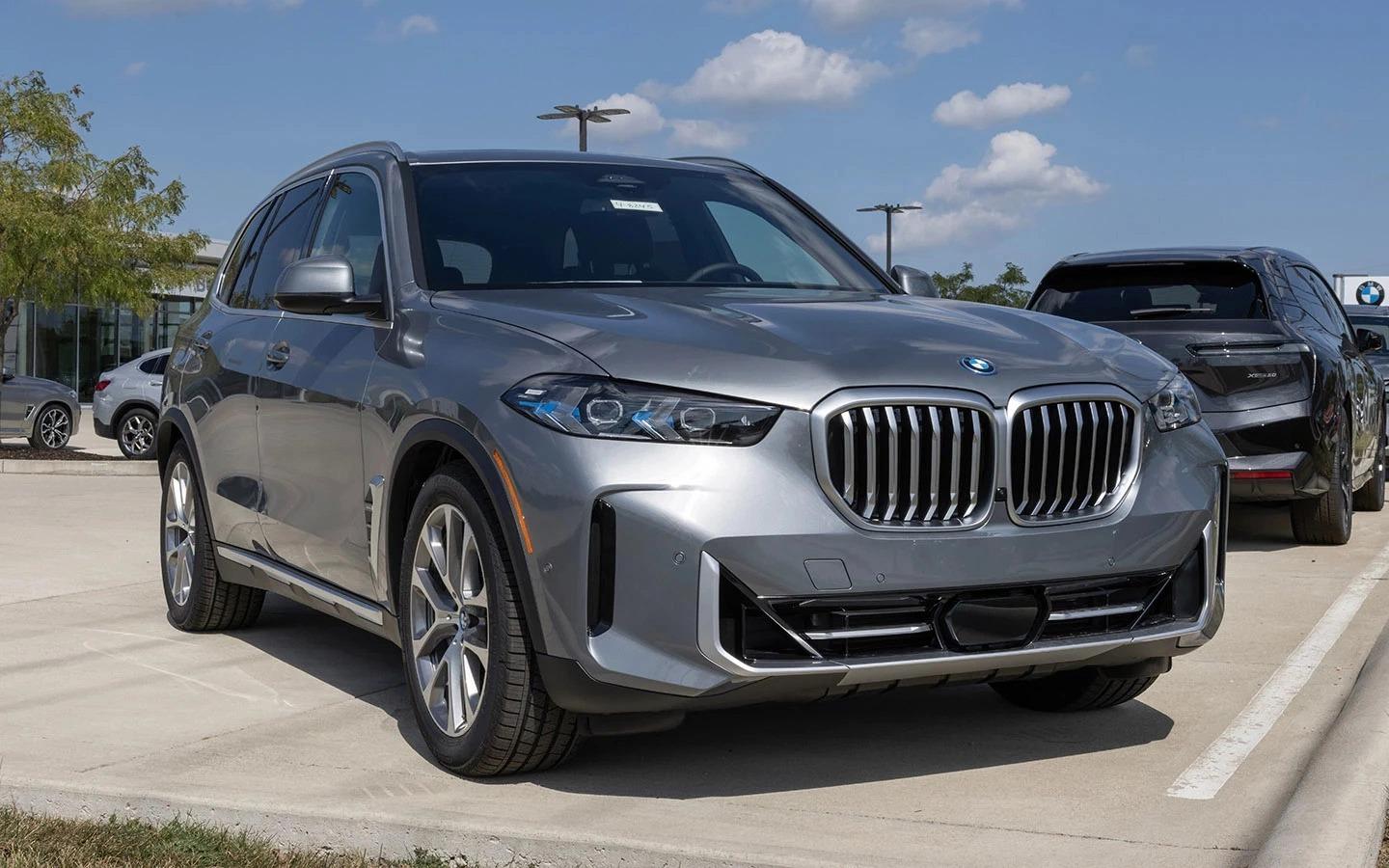
According to Anton Shaparin, president of the National Automobile Union, the new rules will force manufacturers without localization in Russia to revise their price lists. The increase in the recycling fee will lead to higher car prices, primarily for imported vehicles, and some models with output above 160 hp may disappear from the market altogether because of parallel imports. The expert notes that Russians may lose access to several thousand such cars that were previously easily imported by private individuals.
Aleksandr Nikolaev, deputy director of the sales department at Major, adds that the indexation of the recycling fee will become a key factor influencing car prices at the beginning of the year. Nevertheless, he believes that the market will be able to smooth out the impact of this change on the end buyer through a growing share of localized production. Manufacturers will be able to better control production costs and offer competitive prices despite the tax increase.
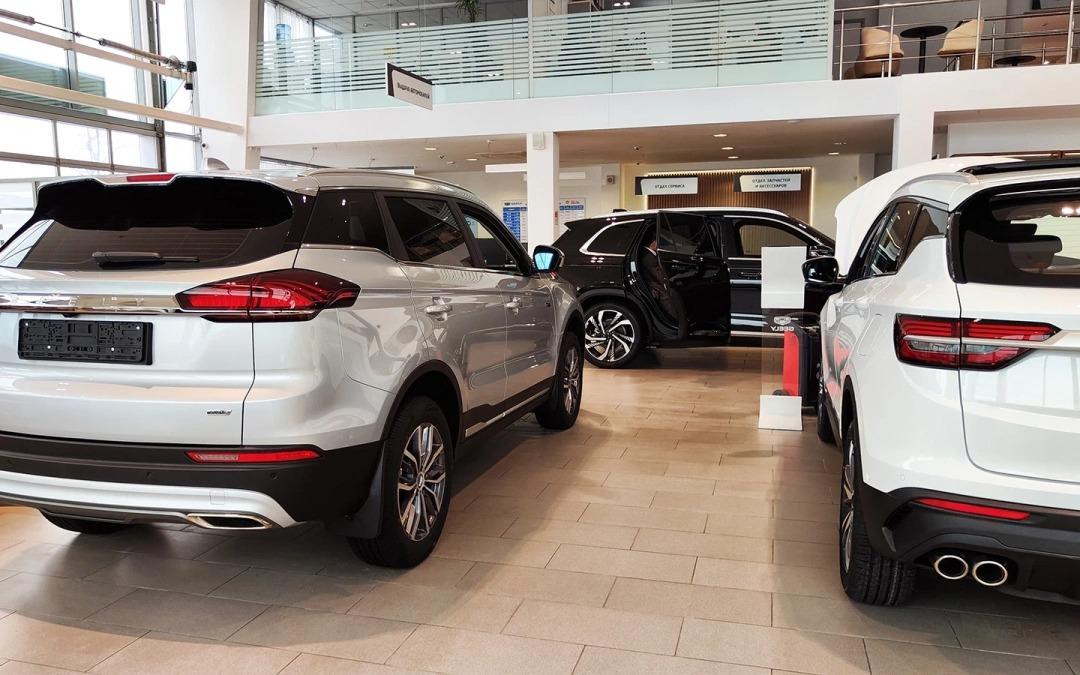
The price increase will affect all segments, says Ilya Rashkin, CEO of EM Rus. Even domestic models and deeply localized Chinese cars will rise in price by 5–10%, while the premium segment, cars with output above 160 hp, and imported vehicles may gain up to 20%. Andrei Osipov, commercial director of Interleasing Group, clarified that the new rules will also affect electric vehicles, hybrids, and compact cars, since China has restricted exports of high-powered models, while lower-powered ones have become more expensive due to increased demand.
In the used car market, the indexation will mainly affect premium cars aged three to five years with engines above 160 hp, which account for about 7.5% of the entire secondary market, notes Sergey Tselikov, head of the Autostat agency. Price growth in the lower segment (cars older than ten years) will depend more on inflation and consumer demand than on the recycling fee.
Andrei Osipov warns that a shortage of new cars may push prices in the secondary market up by 5–10%, and for popular European models by as much as 15%. By the end of 2025, ahead of the recycling fee reform, Russians were actively buying new cars, which temporarily reduced demand for used vehicles and led to a drop in their prices by about 6%.
Roman Titov, deputy CEO for used cars at Avilon Group, adds that the reform of the recycling fee will limit imports of cars older than three years with output above 160 hp, which may cause a shortage of models from Korean, Japanese, and European brands in the secondary market. This, in turn, will create additional pressure on used car prices.
Experts agree that buyers should prepare for an increase in car prices both for new vehicles and in the secondary market. The indexation of the recycling fee is only one of the factors, but together with import restrictions and rising production costs for localized models, it is capable of significantly changing the balance of power in the Russian car market in 2026.
Read more articles:
- AvtoVAZ officially explained which gasoline should be used in Lada
- Moskvich announced prices for the 2026 model year Moskvich 6 sedan
- Tank raised prices for the entire model range in Russia: Tank 500, 700, and 400 have become more expensive
Комментарии