On January 1, 2026, the increase in VAT from 20 to 22% came into force in Russia. This tax is directly included in the cost of goods and services, including cars, and increases the purchase price by approximately 1.5-2%. Simultaneously with the VAT increase, the calculation method for the recycling fee for cars with a capacity of over 160 hp changed, where the rates are now dozens of times higher than the preferential ones. Experts warn that this will lead to a noticeable increase in the cost of both new and used cars.
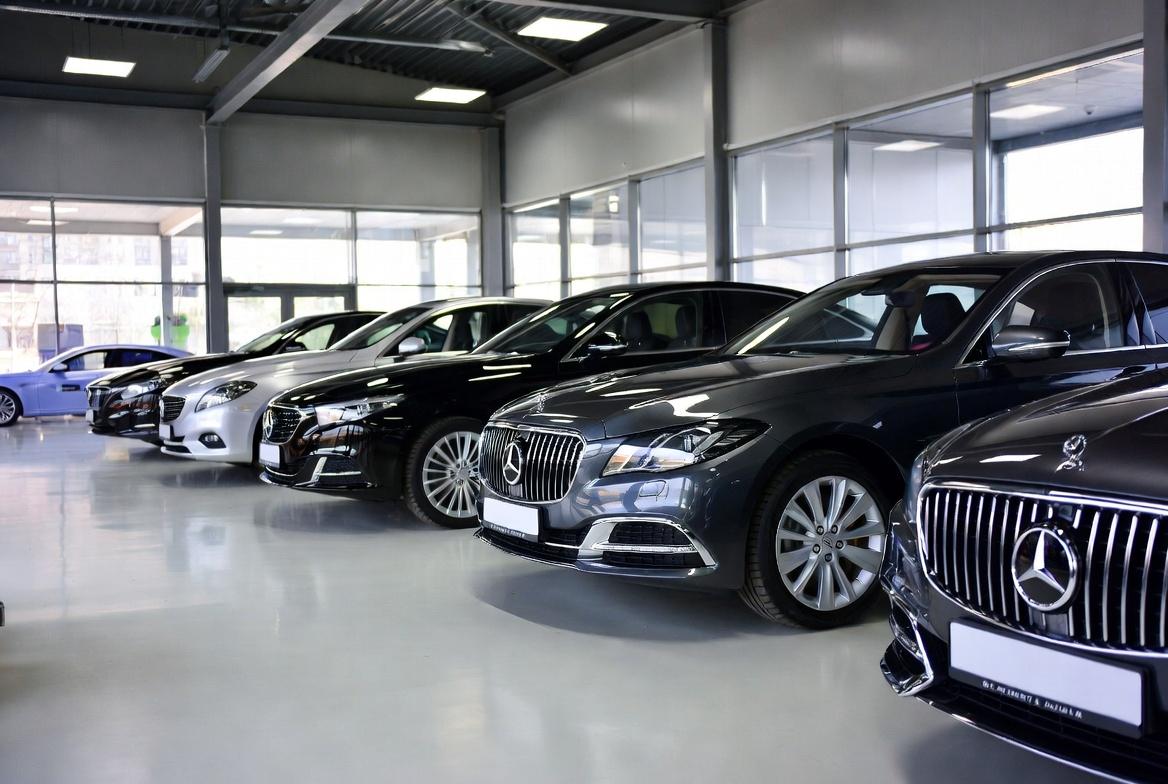
According to Anatoly Semenov, Director of the Parallel Import Association, the additional VAT burden will fall on the shoulders of end buyers. Alexander Nikolaev, Deputy Director of the Sales Department at Major Auto, also predicts a 2% increase in car prices starting in January. Marketers and analysts note that the tax increase increases the cost of the entire supply chain - from import to retail sales, and this will inevitably affect price tags.
The indexation of the recycling fee adds a new factor to price increases. According to experts, domestic cars may rise in price by 8-13%, and imported cars by 17-27%, especially electric vehicles and hybrids. Moreover, even low-power cars up to 160 hp will become more expensive, as the changes affect the entire market. Some high-power models will no longer be profitable to import, which will limit the range on the market and increase pressure on prices.
The used car market will also feel the consequences: due to the increase in the cost of new cars, some buyers will postpone the update, increasing demand for old cars. According to experts, prices in the secondary market may increase by 5-10% at the beginning of the year, and up to 15% for popular European models. At the same time, car services will face increased maintenance costs, which will further increase the costs of owners.
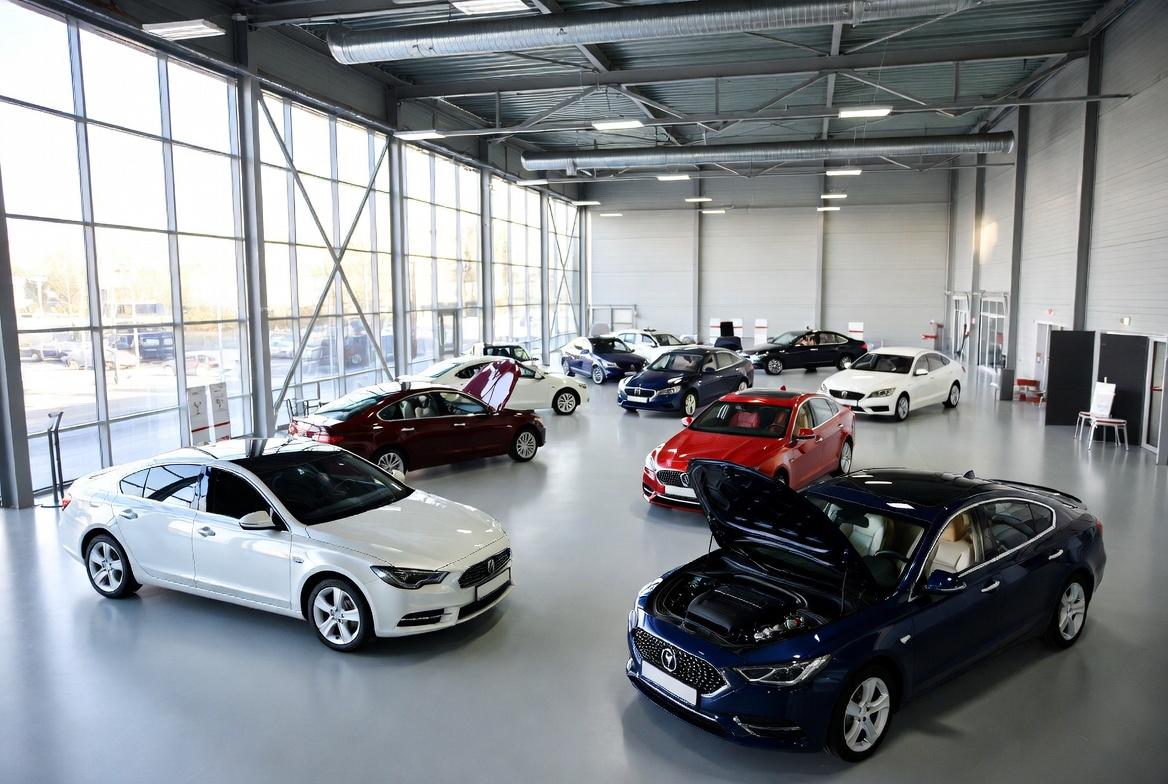
At the same time, experts clarify that the actual increase in price will depend on demand. With low consumer interest, dealers and manufacturers will be forced to offer discounts and favorable programs to retain customers. In practice, price increases may vary: some models will rise in price by 10-20%, others will remain at the same level, especially if manufacturers take on part of the tax burden.
The largest increase in cost is expected for the premium segment and cars with powerful engines. Owners of such cars will have to plan expenses in advance or postpone updating the car, preferring to repair the current vehicle. The country's car fleet will continue to age, which will increase the demand for high-quality maintenance and complex repairs.
Experts advise buyers to take into account all changes when planning to buy a car in 2026. First of all, it is worth focusing on real prices in the market and available discount programs, and not on nominal indexations. It is important to remember that the increase in taxes and fees is not the only factor affecting the cost of a car, but it will become a noticeable incentive for price increases in the first months of the year.
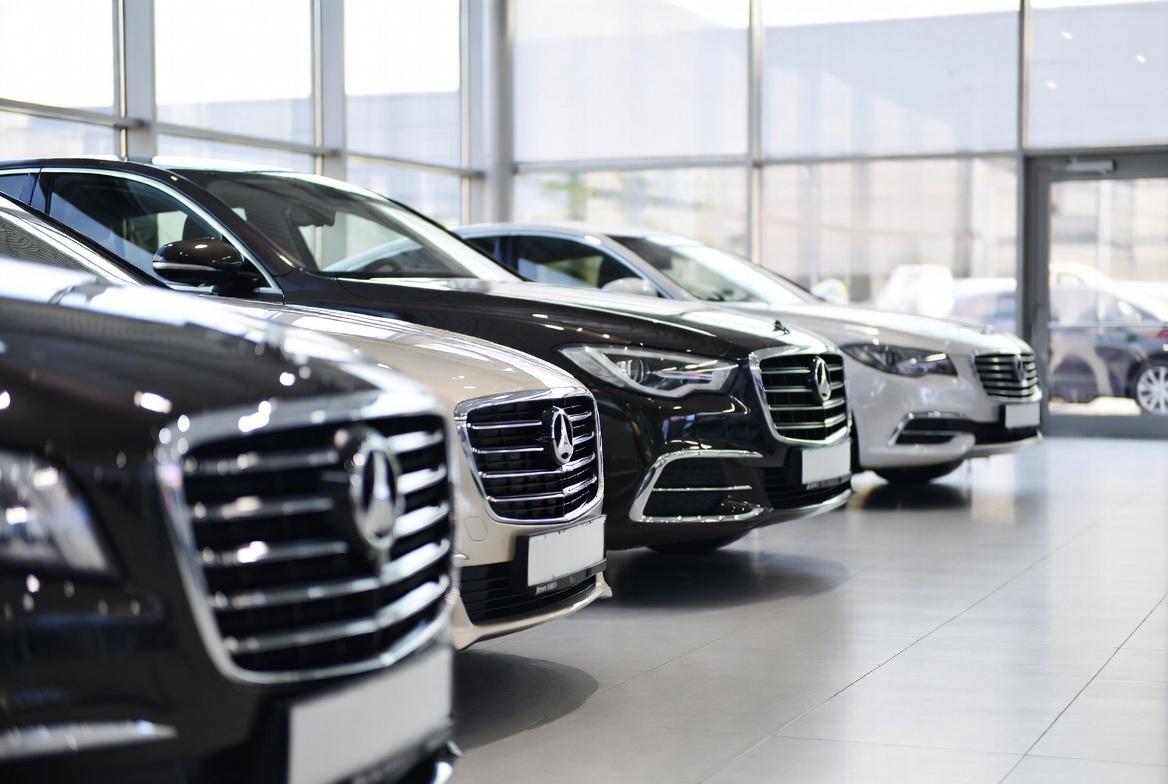
Thus, the increase in VAT and the revision of the recycling fee create a new price background for the Russian car market. Owners and potential buyers should prepare for higher car prices, limited choices and increased maintenance costs. The strategy of maintaining the current car and carefully choosing a model when buying will be key to saving money in 2026.
Read more materials:
- AvtoVAZ Officially Explained Which Gasoline to Pour into Lada
- Moskvich Announced Prices for the Moskvich 6 Sedan of the 2026 Model Year
- Tank Raised Prices for the Entire Model Range in Russia: Tank 500, 700 and 400 Have Become More Expensive