Translated with AI from the Russian original.
The decision to carry out a major engine overhaul is rarely an easy one. It almost always involves serious costs—not only financial, but also in time, and often emotional as well. Nevertheless, a properly performed power unit restoration can effectively give it a second life: restore operating characteristics close to factory specs and ensure hundreds of thousands of more kilometers of reliable service.
What Is Actually Called a Major Engine Overhaul
A major engine overhaul is a comprehensive restoration of the power unit to the parameters specified by the manufacturer or stated in the official repair documentation. Contrary to a common misconception, replacing piston rings, connecting-rod or main bearings, and other individual components—even with partial disassembly of the engine—does not constitute a major overhaul.
A full-fledged "major overhaul" always implies removing the engine from the vehicle, complete disassembly of the unit, detailed fault inspection with precise measurements, and restoration or replacement of all parts that fall outside tolerances. In essence, this is not a superficial refresh and not "cosmetic work," but a deep renovation of one of the most complex and highly loaded assemblies in a car.
When an Engine Really Requires a Major Overhaul
There is no strictly defined mileage or age after which a major overhaul becomes inevitable. Even the so-called "design life" specified by the manufacturer is only indicative. Real operating conditions, the quality of fuel and engine oil, as well as service intervals, often have a much greater impact on the condition of the unit.
Nevertheless, there are a number of signs that with a high degree of probability indicate the need for serious intervention.
Increased Oil Consumption
There is no single standard for oil consumption—everything is determined by the specific engine design. For some engines, 0.5 liters per 10,000 km is acceptable; for others, up to 2 liters over the same distance. At the same time, the more modern the power unit, the tighter the tolerances. You should rely exclusively on the factory documentation, not on subjective impressions or advice from acquaintances.
It is important to understand that high oil consumption does not always mean critical wear of the cylinder-piston group. Quite often, the cause is worn valve stem seals, malfunctions in the crankcase ventilation system, or coked oil passages. Such problems can be resolved much more easily and cheaply than a full major overhaul.
Deterioration of Performance Characteristics
Loss of power, sluggish acceleration, unstable idling, increased noise levels, vibrations, and difficult cold starts—taken together, these signs often point to deep wear of engine components.
That is why competent diagnostics are a key stage. An error at this stage can lead either to unjustified expenses or, conversely, to delayed repairs with far more serious consequences.
What Service Life an Engine Gets After a Major Overhaul
If the overhaul is performed strictly according to the technology, with all tolerances and manufacturer recommendations observed, the engine is capable of covering from 100,000 to 200,000 kilometers. Many specialized service centers confidently provide a warranty for 50,000–100,000 km of mileage or for 1–2 years of operation—figures comparable to factory warranties on new cars.
Of course, much depends on the conscientiousness of the contractor and the subsequent operating conditions. However, it is worth remembering that even owners of new cars sometimes have to defend their rights with official dealers, so the existence of a warranty in itself should not be the only criterion when choosing a service center.
What Is Usually Included in a Major Engine Overhaul
The final cost of a major overhaul can vary greatly depending on the model and condition of the engine, but the typical process includes a number of mandatory stages.
Removal and Complete Fault Inspection
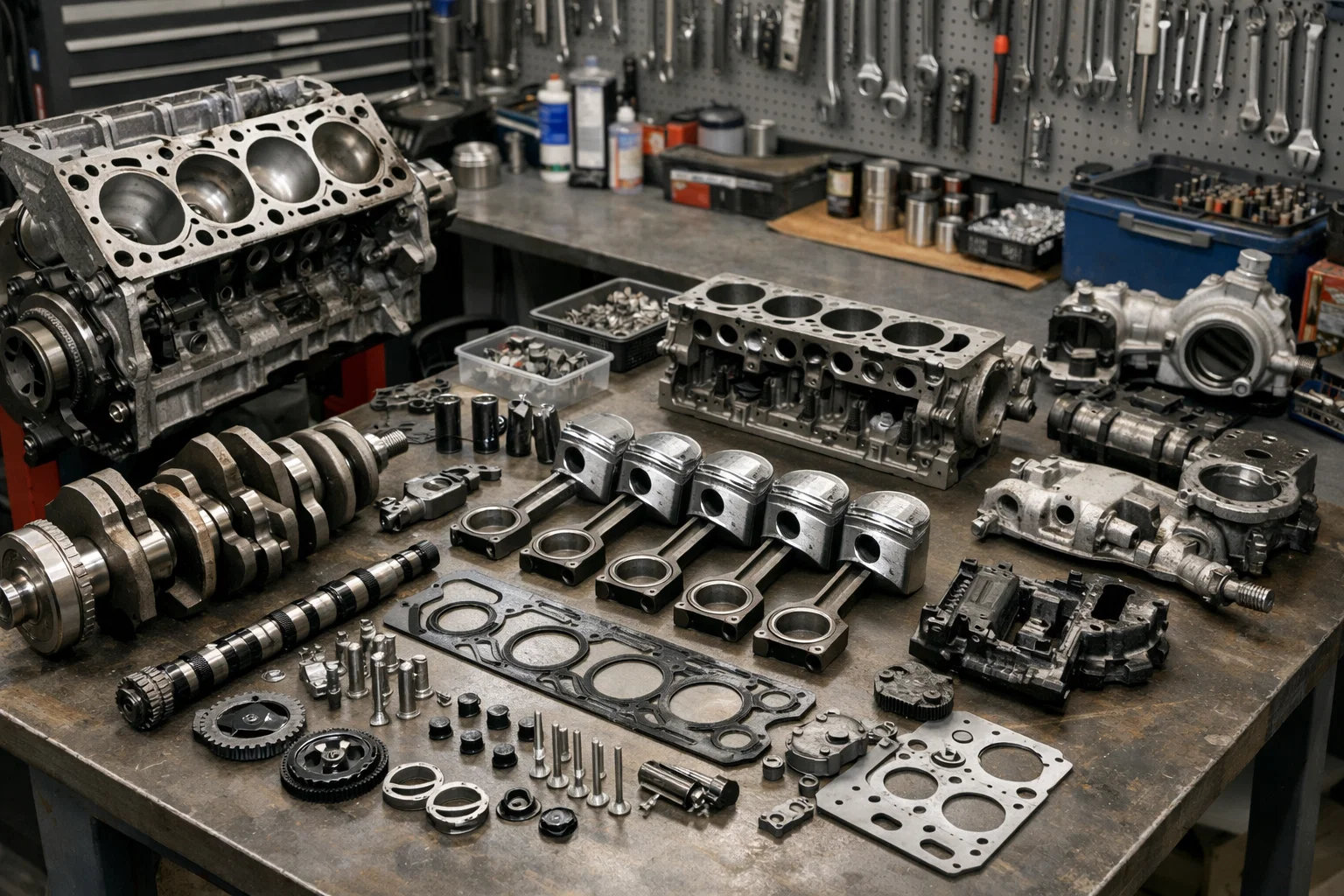
After the engine is removed, the unit is completely disassembled. All key components undergo visual inspection and precise measurements using professional measuring instruments. Based on the results of the fault inspection, a list of necessary work and spare parts is compiled.
Cylinder Block and Cylinder-Piston Group
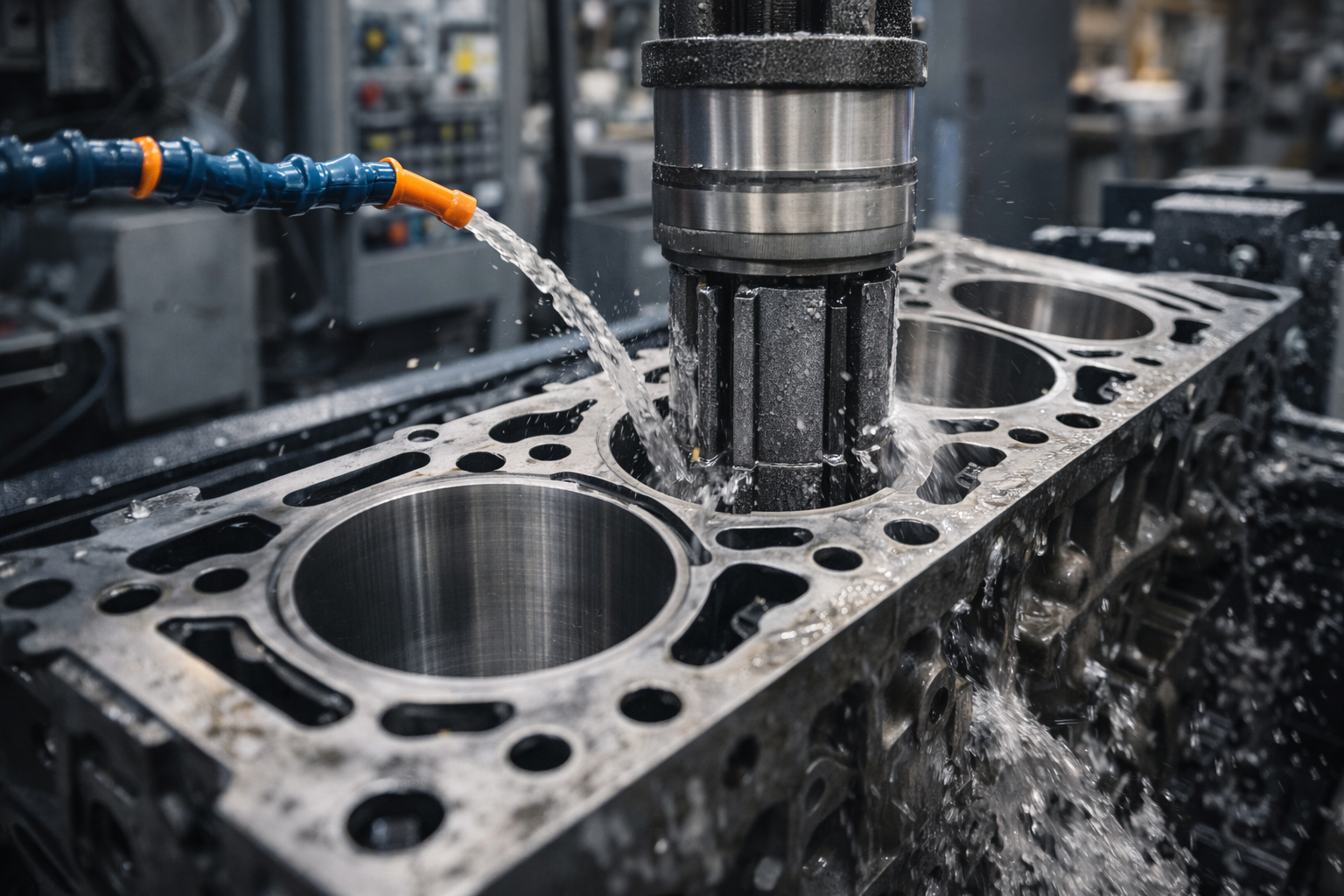
The condition of the cylinders, pistons, and piston pins is checked, and the preservation of the honing pattern is assessed. Piston rings must be replaced in any case. Based on the measurement results, a decision is made on boring or sleeving the block—depending on its design and degree of wear.
The crankshaft is measured, the connecting rods are checked for deformation, and the bearings are, as a rule, installed in a repair size. The oil pump is inspected, the oil passages and cooling jacket are thoroughly cleaned. In the most expensive repair options, replacing pistons and even the crankshaft is possible, but the cylinder block itself is replaced extremely rarely.
Cylinder Head
The scope of work on the cylinder head often matches that of the block. The mating surface is checked and, if necessary, leveled, passages are cleaned, valves are lapped, and the condition of the guides is assessed. If necessary, valves and hydraulic lifters are replaced, the camshaft bearing beds are ground, and the shafts themselves are checked for wear and geometry. The timing system kit with its drive and tensioners is replaced as a matter of course.
Oil Pan and Auxiliary Elements
The oil pan, as a rule, remains the original one and is thoroughly cleaned of deposits. In addition, the oil pickup and its screen are washed.
Even this list is not exhaustive and may vary depending on the engine design and the owner's budget. But it clearly demonstrates that a major overhaul is not a "quick rebuild," but effectively the rebirth of the engine.
Machining and Restoration Work
Boring, honing, grinding, and polishing are carried out exclusively on specialized modern equipment and strictly in accordance with the manufacturer's technical bulletins. The myth that an "experienced lathe operator in a garage" can do just as well has long ceased to reflect reality. Modern engines require micron-level precision that cannot be achieved on outdated machines.
Therefore, when choosing a service center, it is fundamentally important to clarify in advance the workshop's equipment level and its reputation. Recommendations and reviews from real customers truly matter here.
Engine Assembly
At the assembly stage, every little detail matters: tightening torques, sequence of operations, cleanliness, and the correct selection of gaskets and fasteners. Even perfectly machined parts will not provide the required service life if mistakes are made during assembly.
Break-In After a Major Overhaul
The final and in many ways decisive stage depends entirely on the vehicle owner. Break-in after an overhaul is often even more important than for a new engine: the restored surfaces must bed in correctly.
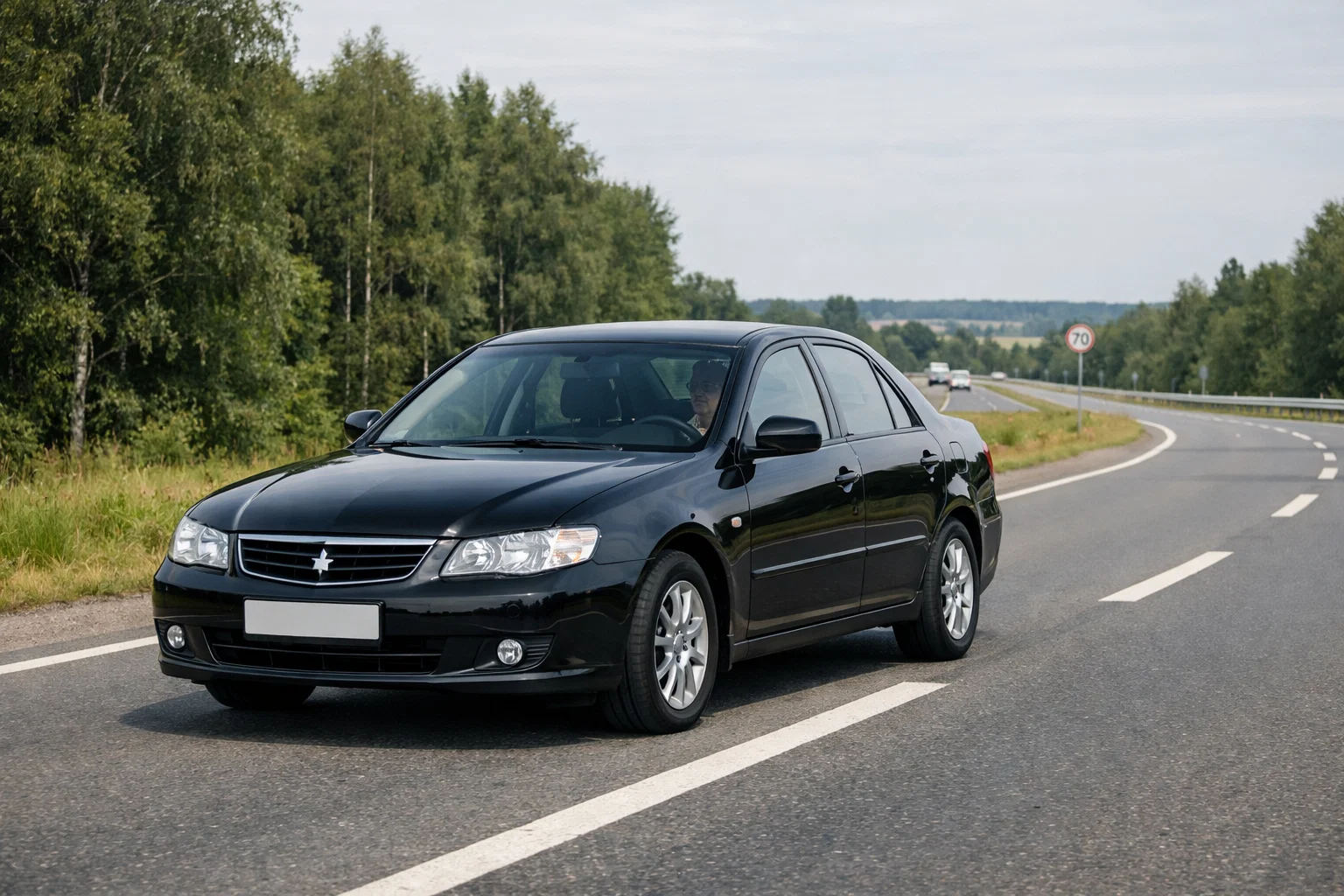
The basic rules remain universal:
- avoid sudden acceleration and high engine speeds;
- avoid lugging the engine and prolonged loads;
- maintain the smoothest possible operating mode, especially during the first 500–1000 km.
A transition to full loads is permissible only after 10,000–15,000 kilometers of mileage.
Engine oil deserves special attention. Cutting corners on it is unacceptable: the first kilometers of operation are critical, and low-quality oil without a full additive package can quickly negate the effect of an expensive repair. Specific recommendations on the operating mode and oil change intervals should be provided by the service center that performed the major overhaul.
Major Overhaul or Contract Engine
The choice between a major overhaul and installing a contract engine always depends on the owner's goals. If the car is not planned to be used for long, and a contract engine is available at a reasonable price and with low mileage, such an option may be justified.
If, however, the car will remain in service for a long time and predictable service life is required, a professionally performed major overhaul almost always wins in terms of reliability and transparency of the unit's condition.
The Main Thing to Know About a Major Engine Overhaul
A major overhaul is a complete engine restoration, not a set of isolated operations. The decision to undertake it should be made only after high-quality diagnostics. A competently performed overhaul can provide a service life of up to 200,000 kilometers. The key success factors remain modern equipment, specialist qualifications, and proper break-in.
In the long term, a major overhaul often proves to be a more rational choice than installing a contract engine. A competent approach to engine restoration is an investment not only in the machine, but also in the owner's peace of mind for many years ahead.
Read More Materials on the Topic:
- What Is Common Rail and How a Modern Diesel Works
- Freezing Rain: How to Set Off and Stay Out of Trouble
- Chronic Undercharging of the Battery: A Hidden Winter Threat