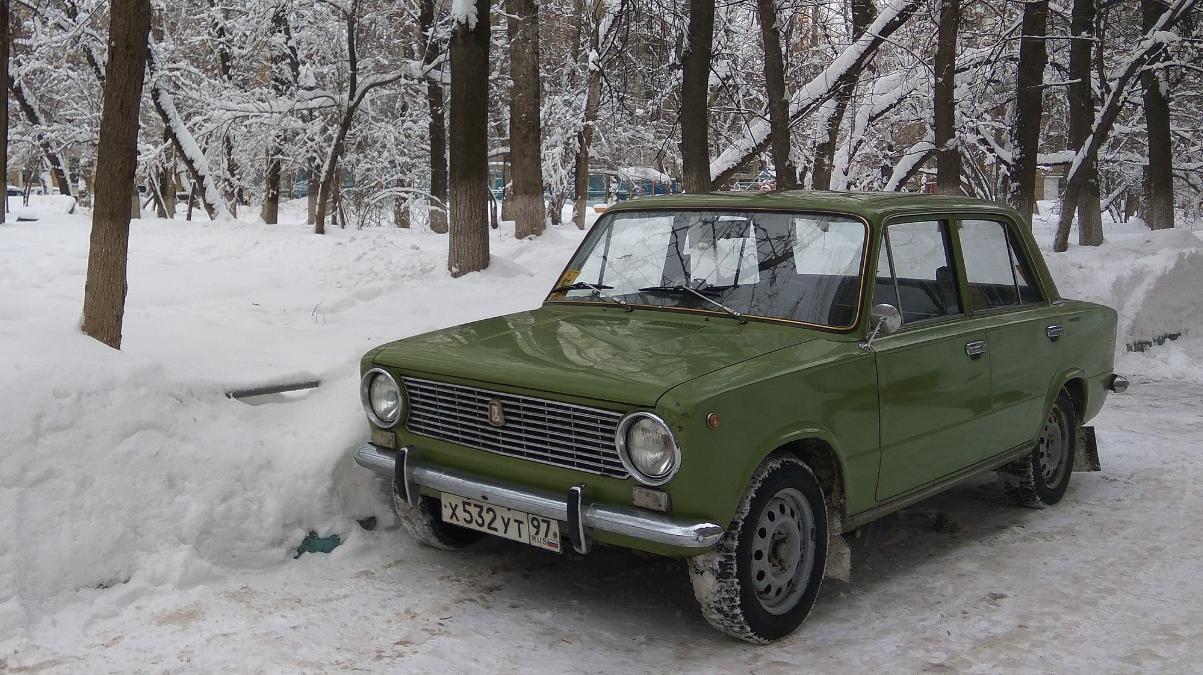
The VAZ-2101, known as "Zhiguli," entered the market in 1970 and quickly became the most mass-produced car in the USSR. The car was produced at the Volga Automobile Plant in Tolyatti under license from the Italian concern Fiat. The model opened a new era for the Soviet automotive industry and determined the appearance of personal transport in the country for decades.
How the First "Zhiguli" Were Created
The VAZ-2101 project started in the late 1960s. The Soviet leadership agreed with Fiat on the transfer of technology and the launch of production at a new site. The Fiat 124 was taken as a basis, but VAZ engineers seriously reworked the design.
The car was reinforced for bad roads, the suspension was changed, the ground clearance was increased, the brakes and engine were improved. The body received additional anti-corrosion protection. As a result, the "Zhiguli" better tolerated frost, dust, and overloaded highways.
Technical Features of the Model
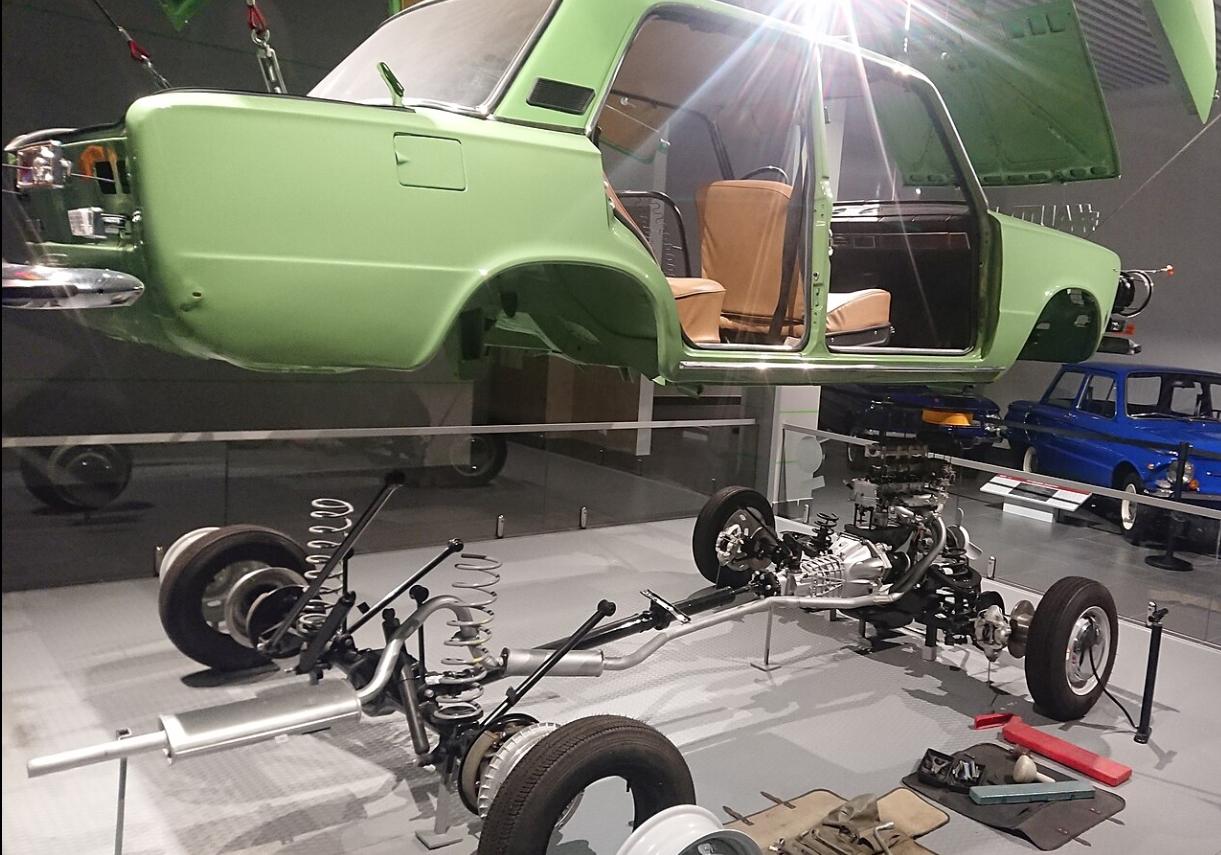
The VAZ-2101 was equipped with a 1.2-liter gasoline engine with a capacity of 64 horsepower. The car accelerated to 140 kilometers per hour and consumed about 8 liters of fuel per 100 kilometers.
The car received rear-wheel drive, a four-speed manual gearbox, and disc brakes in the front. For its time, the model was considered technological and reliable.
Why the "Kopeyka" Became a People's Car
The VAZ-2101 quickly turned into a symbol of personal success. Queues for purchase stretched for years, and happy owners cherished the car as a family value.
The "Zhiguli" was used for work, travel, and everyday trips. The car was easily repaired in the garage, spare parts were sold throughout the country, and the design forgave driver errors. All this made the model truly popular.
The Legacy of the VAZ-2101 Today
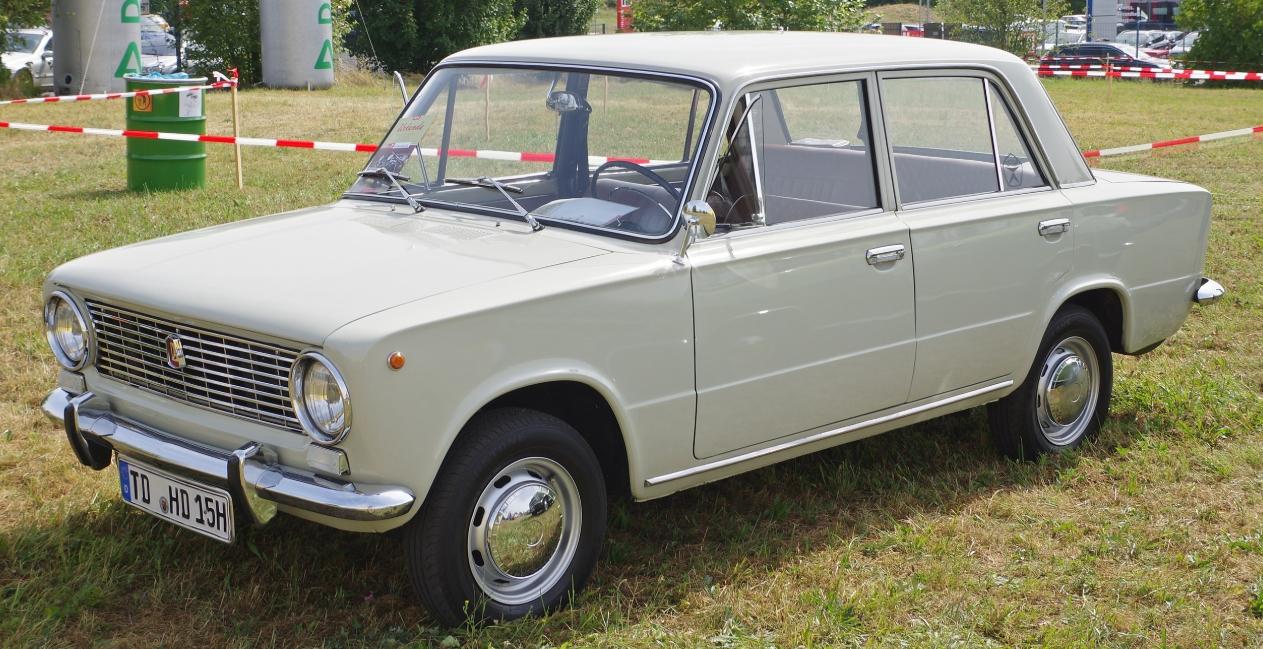
The production of the "kopeyka" was completed in 1988, but the car is still found on the roads. Collectors restore early specimens, and retro festivals gather hundreds of owners of classic "Zhiguli".
The VAZ-2101 laid the foundation for the entire "classic" line — from the VAZ-2102 to the VAZ-2107. Without this model, the modern Russian automotive industry would look different.
Read more materials on the topic:
- LuAZ-969: The Strangest and Most Honest SUV of the USSR
- Why a Mass Diesel Engine from VAZ Never Appeared in Russia
- The Engine That Could Have Changed the Soviet Automotive Industry
Комментарии