VAZ-2109 and Skoda Favorit are two cars that are very similar in spirit, but different in philosophy. This is one of the rare cases where a comparison can truly be considered relatively correct. Many experts object, reminding us that the Soviet "Sputnik" was refined with the participation of Porsche engineers, while the Czechoslovak company Skoda relied more on its own strengths. However, in practice, the differences in approaches do not negate the main thing: the cars turned out to be so similar and at the same time so different that it is simply impossible to avoid comparing them.
To understand the context, it is important to consider the time these cars appeared. Both the VAZ-2109 (21093) and the Skoda Favorit were released on the market in 1987 — at the peak of fashion for chopped-angular design and relatively compact engines. Both models were initially developed with an eye on export and potential sales in Europe for currency, albeit with the caveat "if we're lucky."
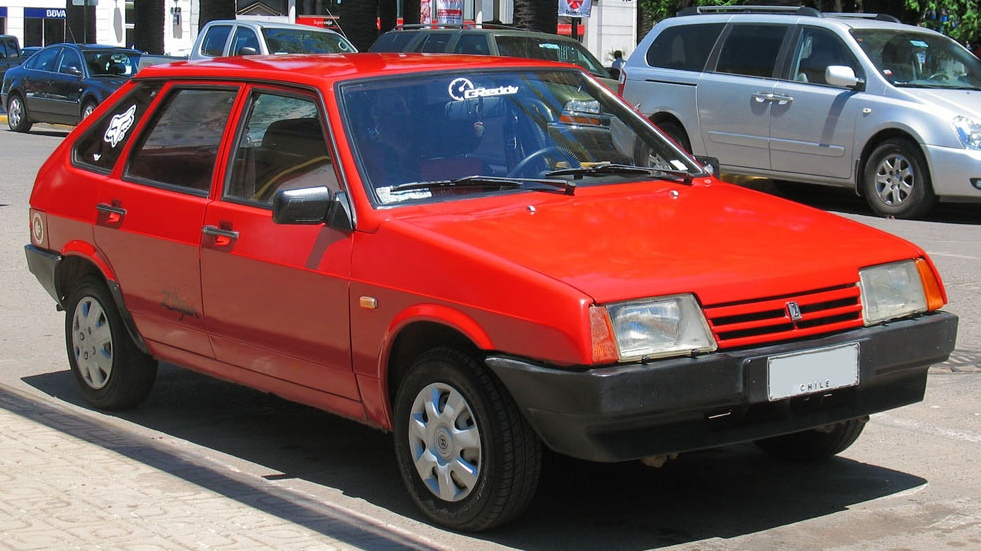
In the Soviet Union, Porsche specialists were involved to increase the chances of success. Their contribution turned out to be very practical: errors in the design of the engine and transmission were eliminated, and at the same time the appearance of the car was slightly corrected. These services were not cheap, but the receipts in pounds sterling and German marks from export sales of the "Sputnik" more than compensated for the costs.
Skoda, despite the high level of mechanical engineering in Czechoslovakia, also realized that its own design of the new Favorit was unlikely to impress the Western buyer. Therefore, the development of the appearance was entrusted to the Turin company Bertone, and technical support was provided by Volkswagen specialists. Thus, in terms of the external players involved, there was a certain parity between the "Sputnik" and the "Favorit."
Proportions and general perception
The Skoda Favorit turned out to be slightly shorter and lower than the VAZ-2109, received a stronger hood slope and a relatively small trunk. Most of the small elements — bumpers, optics, taillights, plastic body kits — differed in higher quality workmanship. At the same time, the export versions of the "Sputnik" were practically not inferior to the Czechoslovak model in terms of trim and assembly. Moreover, a significant part of the experts were inclined to give preference to the Togliatti car.
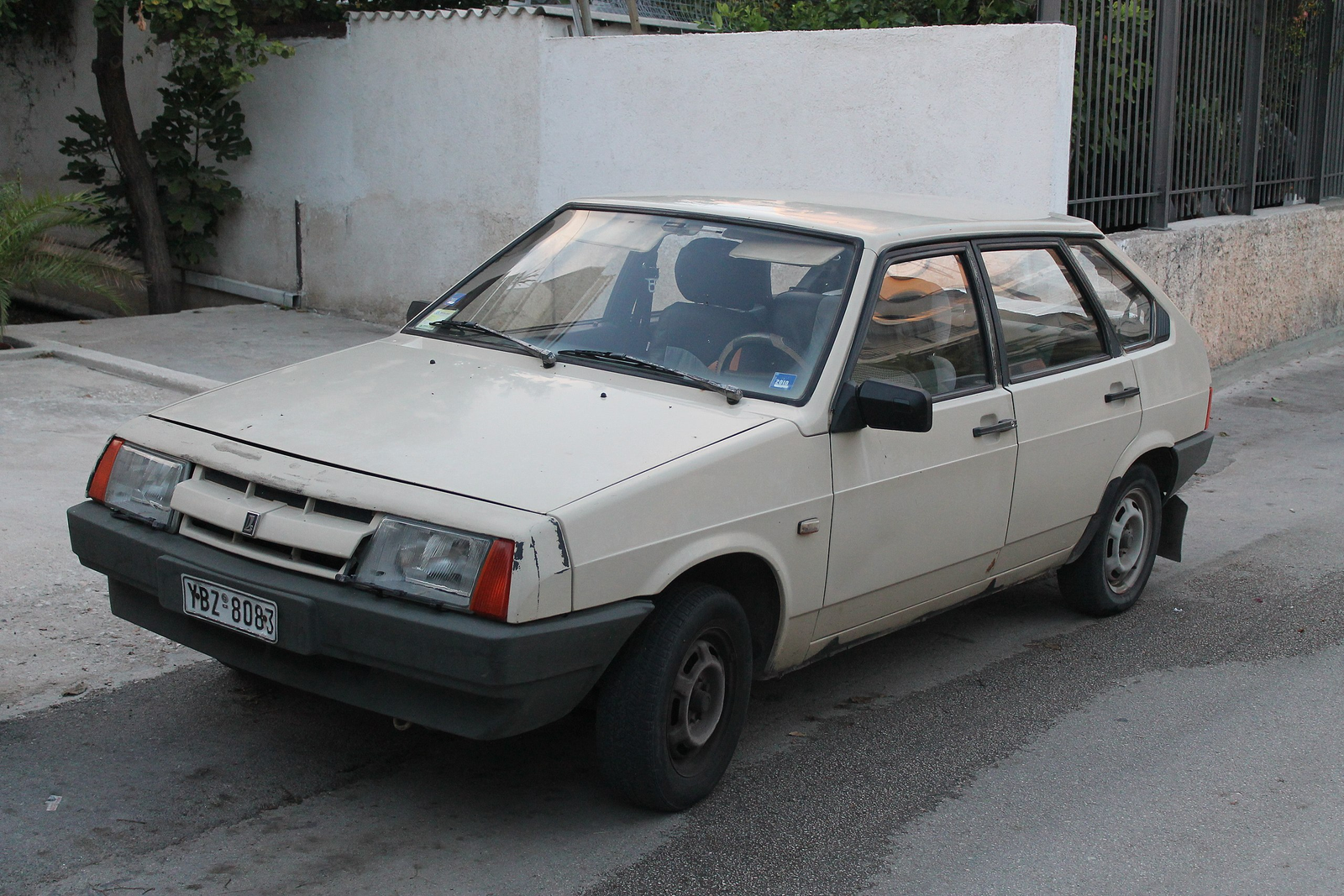
The dimensions of the VAZ-2109 as a whole better met the expectations of the mass buyer. The Favorit looked somewhat more compact and resembled mini-class cars in proportions. It is possible that it was originally designed in this segment, actually repeating the concept of the Seat Ibiza of the 1988 model.
Engine and transmission
A similar logic was manifested in the choice of power units. The "Sputnik" was equipped with a more powerful 1.5-liter engine with an overhead camshaft, a cast-iron block and a belt-driven timing belt. This engine was distinguished by its large resource, ease of maintenance and high maintainability.
The Favorit received an already outdated 1.3-liter engine with a lower camshaft arrangement. Its advantages could be considered a higher build quality and a much more advanced Pierburg 2E3 carburetor. As a result, the Czechoslovak car turned out to be about 15% more economical and at the same time almost as good as the "Sputnik" in dynamics.
Chassis and handling
The influence of Porsche specialists was noticeable in the suspension design. The front suspension of the VAZ-2109 turned out to be simple and reliable, albeit somewhat stiff — this was noted by many who had the opportunity to compare both cars in motion. At the same time, the scheme for the cars was the same: MacPherson struts in the front and a semi-independent suspension in the rear.
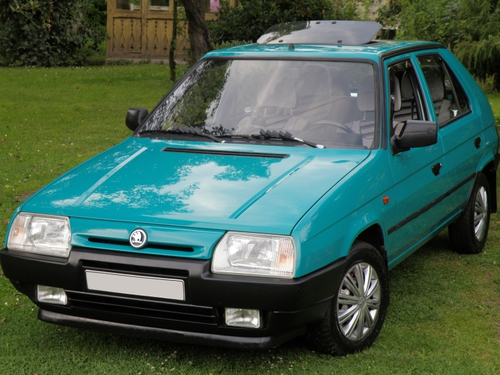
The Favorit won in terms of ride smoothness and overall level of comfort. The sloping front provided good visibility, and the excessive softness of the suspension did not prevent the car from confidently staying on the road and stably passing corners at different speeds. The "Sputnik" felt more rough in handling, but calmly tolerated potholes, snow and ice.
This difference was not accidental. The Favorit was focused on a relatively civilized road network, while the VAZ-2109 was originally designed to be operated in any conditions.
Comfort, practicality and operation
The interiors of both cars were at about the same level, but the Favorit seats noticeably won in ergonomics. After three or four hours behind the wheel, the driver practically did not experience fatigue: neither legs, nor back, nor arms went numb. The "Sputnik" seats looked more impressive externally, but were noticeably inferior in terms of comfort.
There were not many adjustments in the cabin, and they were not implemented in the best way. But the Favorit took revenge with the design of the trunk: with a smaller volume, it had a lower loading threshold. It was easier to load the car than in the spacious, but too high trunk of the VAZ-2109.
If we consider cars from the point of view of a lover of comfort, calm and economical driving and minimal risk of serious technical problems, the advantage was on the side of the Favorit. However, in Soviet realities — with broken roads and unstable fuel quality — the "Sputnik", which became a symbol of the era, confidently bypassed the Czechoslovak competitor. These two cars, for all their external similarity, were essentially created for different worlds.
Read more materials on the topic:
- Forgotten duel of the socialist camp: "Nysa" or "Rafik"
- Lada Priora: from sales leader to decommissioning
- "Kopeyka", with which it all began: secrets of the success of VAZ-2101
Комментарии