The VAZ-2102, nicknamed "Shed" by the people, went far beyond a simple variation of the "Kopeyka" and eventually became an independent phenomenon of the Soviet automotive industry. The station wagon not only turned out to be more expensive than the base sedan, but also offered a number of technical solutions that looked unusual even by the standards of engineers of that time. Moreover, the experimental electric version of the model actually anticipated the era in which it was created.
The appearance of the VAZ-2102 on the assembly line of the Volga Automobile Plant on April 27, 1971, became a significant event that influenced the perception of the practicality of cars in the USSR. It was not just about expanding the model range — the station wagon turned out to be in demand among a wide audience: from urban families to summer residents. The car quickly established itself as a convenient and reliable transport, and its design features still arouse interest among both specialists and car enthusiasts.
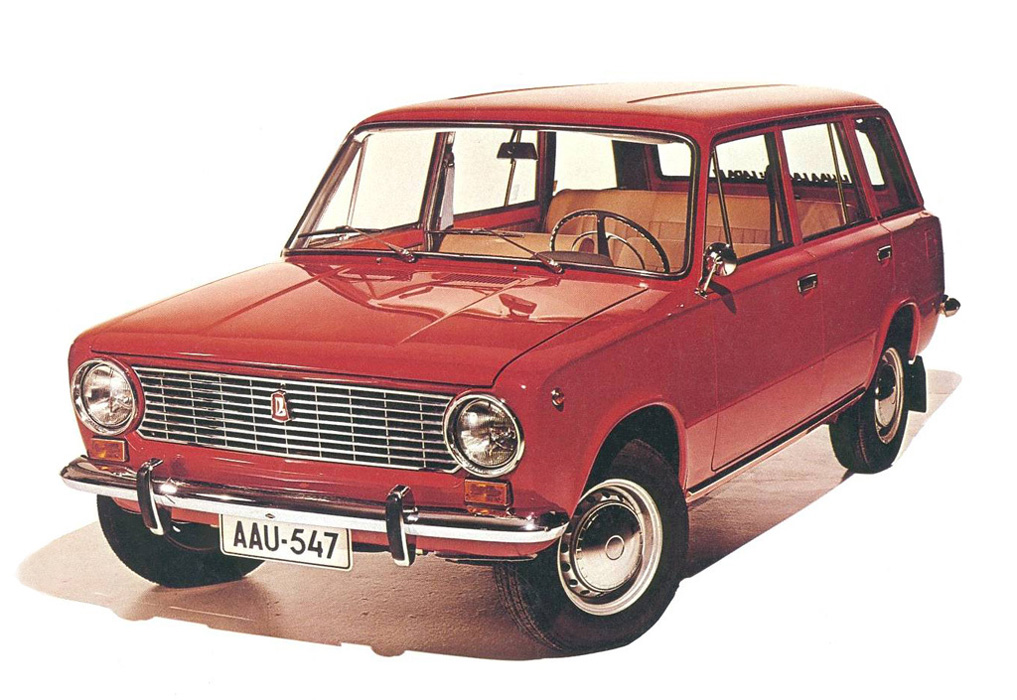
The technical basis for the model was the Fiat 124 platform, but it was significantly redesigned. VAZ engineers adapted the car to more severe road and climatic conditions. At the same time, within the factory documentation, the station wagon was not considered a separate model for a long time: it was classified as a type of VAZ-2101, while the VAZ-2103 was officially listed as the "second model". Despite this formal position, it was the "two" that became the first mass attempt to create a truly versatile car for a wide range of users.
Among the engineering solutions, the system of internal torsion bars that hold the rear door in the open position without the use of additional shock absorbers stood out. This approach simultaneously simplified the design and increased its reliability. In addition, the main gear was changed: the gear ratio was 4.44 versus 4.3 for the sedan. This improved traction at low revs and made the car more suitable for transporting goods, albeit at the cost of a slight reduction in top speed.
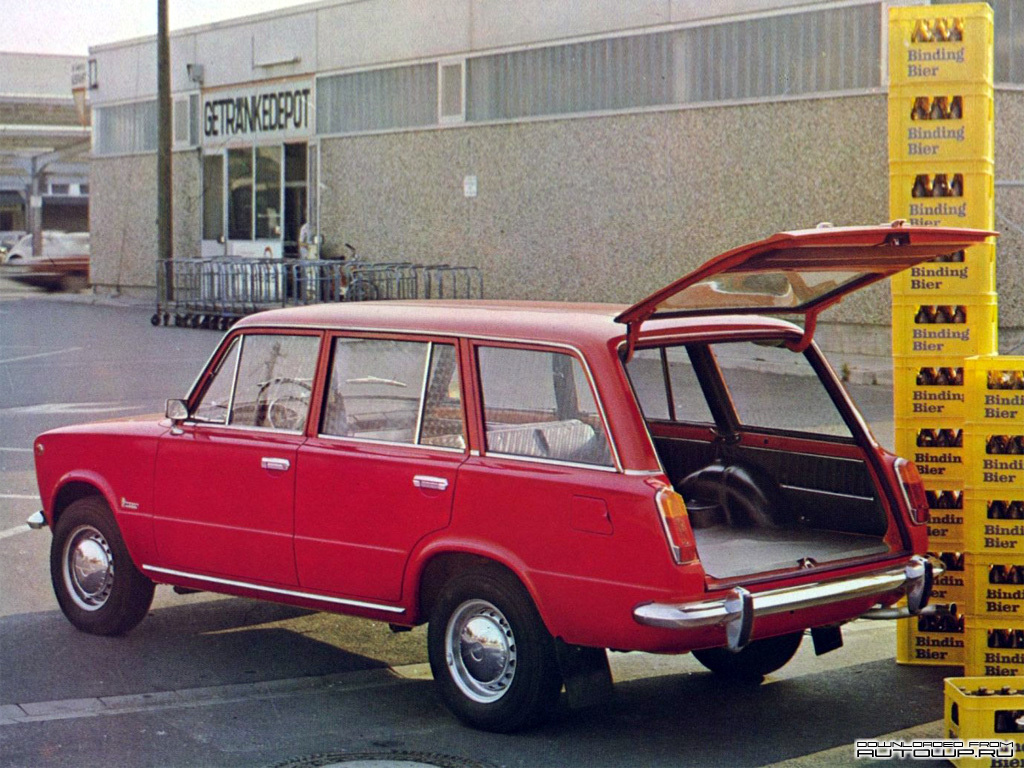
Key technical differences of the station wagon included:
- the use of stiffer springs designed for increased load;
- orientation of the transmission to traction characteristics due to the changed gear ratio;
- design solutions aimed at increasing reliability during operation in difficult conditions.
The basic version was equipped with a 1.2-liter gasoline engine with a capacity of 64 hp. The dynamic performance was modest: acceleration to 100 km/h took about 25 seconds, and the maximum speed reached 135 km/h. Nevertheless, already in 1972, the magazine "Behind the Wheel" noted the versatility of the car, emphasizing its suitability for trips out of town, long journeys and the transportation of goods necessary for recreation or country work.
The pricing policy looked unexpected: the VAZ-2102 cost 7,000 rubles, which is 1,500 rubles more than the VAZ-2101. Despite the difference, the demand for the station wagon remained consistently high. The reason was the expanded opportunities it offered to owners.
Among them:
- convenient transportation of building materials and bulky items;
- using the car for family trips and travel;
- versatility of use both in the city and beyond.
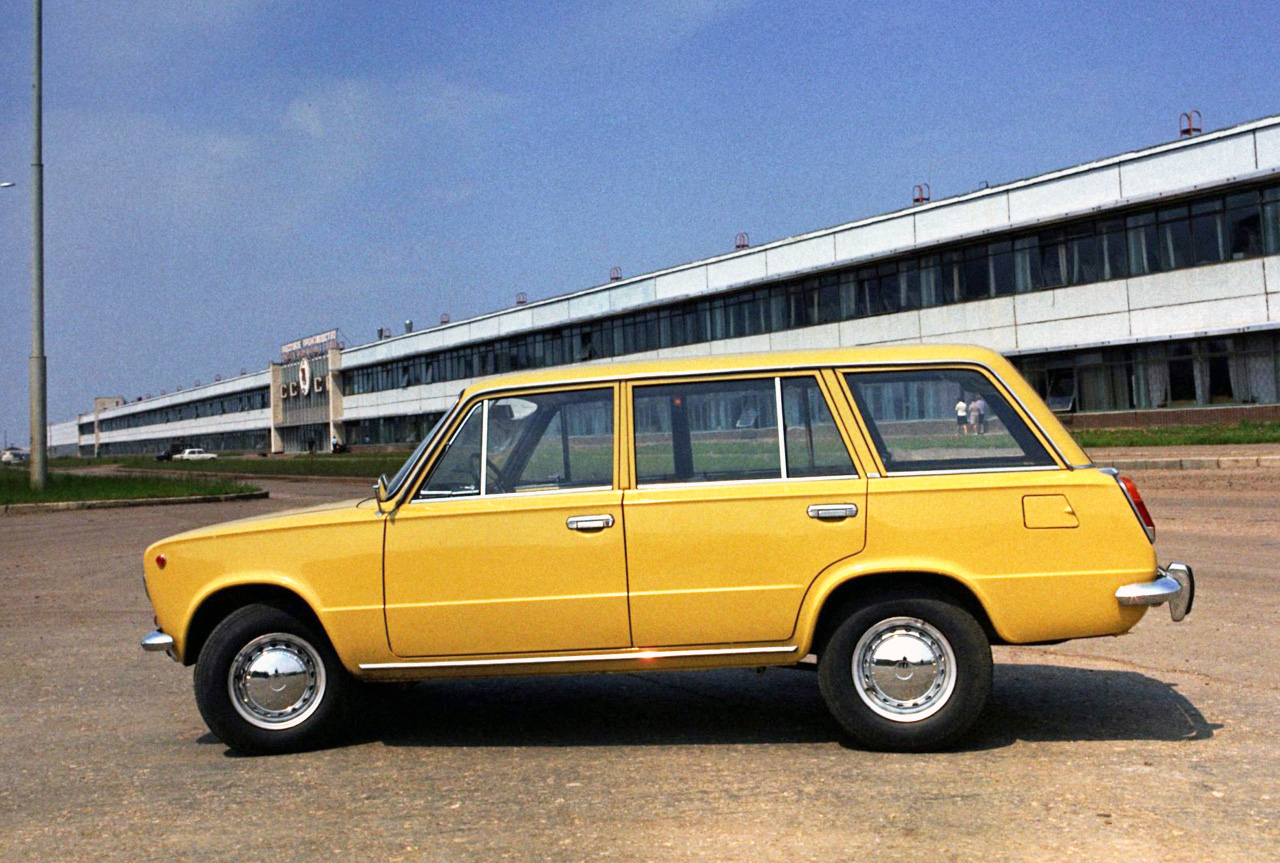
The electric version of the model — VAZ-2102E/2801 "Electro" — deserves special mention. These rare vans, released in a limited series of only 47 copies, became an experimental development that significantly outstripped its time and anticipated future interest in electric vehicles in the country.
In total, 666,989 VAZ-2102 cars were produced during the production period. This volume confirms the demand for the model and its importance for the domestic automotive industry, where the station wagon took a special place as a practical and in many ways innovative solution.