A hybrid car is often considered a way to cut costs: it's more fuel-efficient, equipped with modern technology, and provides a more comfortable driving experience. However, in practice, the benefit depends on the operating conditions. In some cases, a hybrid truly saves money; in others, the high purchase cost pays off slower than planned.
The main principle remains unchanged: one should focus not on promises, but on their own car usage patterns.
Where Real Savings Emerge
The most noticeable effect of the hybrid scheme manifests in specific scenarios.
Urban Operation
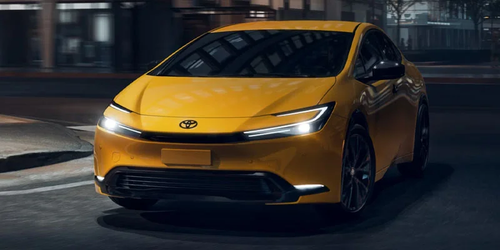
It is in dense urban traffic that a hybrid reveals its strengths. Frequent stops, accelerations, and driving in traffic jams allow for active use of the electric motor and energy recuperation.
This provides several advantages at once:
- reduced fuel consumption
- smoother driving
- reduced engine load
- increased comfort in daily driving
High Mileage
The more often a car is used, the more tangible the economic effect. With regular operation and significant annual mileage, the difference in costs becomes more noticeable. If the car is used rarely, the benefit decreases.
Availability of Charging (for PHEV)
For plug-in hybrids, the possibility of regular charging becomes a decisive factor. If daily trips fall within the electric range, fuel consumption can be minimized.
When Costs Increase
There are also situations where a hybrid does not provide the expected benefits.
Purchase Cost
Hybrid versions are usually more expensive than their traditional engine counterparts. For low mileage, recovering this difference can take a long time.

Lack of Regular Charging
If a plug-in hybrid is not charged, it becomes a heavier and more expensive car without utilizing the key benefits of the technology.
Complexity of Design
The hybrid system includes high-voltage components and power electronics. This can affect the cost of certain repairs and maintenance, although it does not necessarily mean an increase in cost in every case.
Battery Condition
When buying a used car, the battery is of particular importance. Its condition directly affects the cost and potential risks, so diagnostics become mandatory.
When Purchase is Justified
A hybrid is often a reasonable choice when several conditions are met:
- predominance of urban routes
- significant annual mileage
- long ownership period
- availability of charging for plug-in versions
- priority of comfort along with economy
A hybrid car is not automatically a more cost-effective option. Its efficiency is determined by how well the technology aligns with actual operating conditions. Therefore, before purchasing, it is important to evaluate your own routes, driving patterns, and expenses – this is what allows you to understand whether a hybrid will truly be an economical solution.
Read more articles:
- How KrAZ-256B Conquered British Construction Sites
- Rotary Icon: The Rise and Departure of the RX-7
- Aquaplaning: Why the Car "Floats"