The history of the ZiL-131 is not just the biography of one of the most recognizable Soviet trucks. It clearly demonstrates how a successful model, in demand by the army, can, in the long run, turn into serious problems for the entire enterprise. When the military stopped purchasing, the factory found itself in a situation it was not prepared for: dependence on a single customer played a decisive role.
Model Appearance and Early Disputes
In March 1967, the first production ZiL-131s rolled off the assembly line of the Likhachev Plant. Within a year, production reached stable volumes. The vehicle featured a three-axle layout, all-wheel drive, and high cross-country capability, which quickly made it in demand in the army.
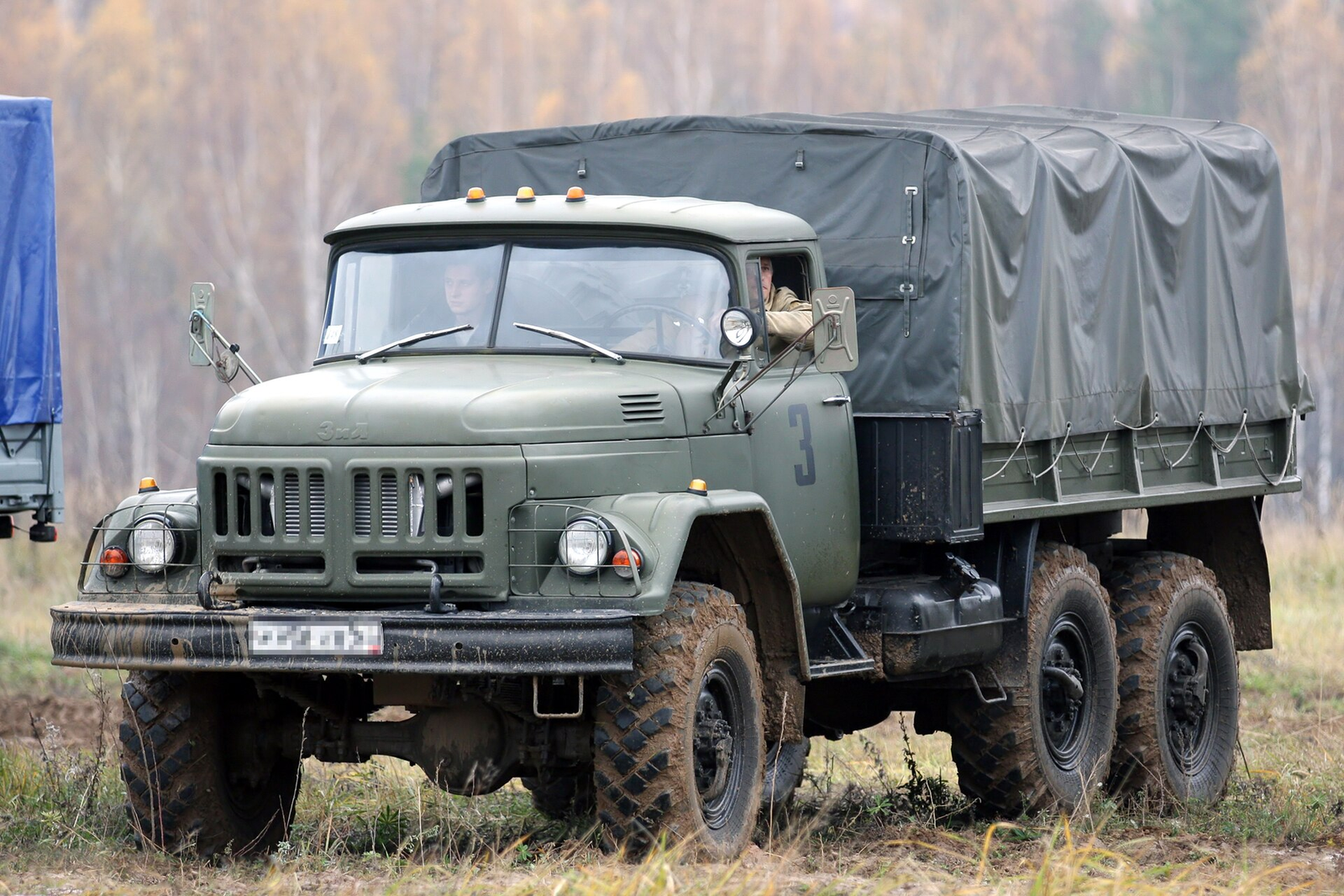
One of the key advantages was a high degree of unification with the civilian ZiL-130 – about 73%. This simplified maintenance and reduced costs. However, within the factory and among military specialists, discussions continued about how successfully cross-country capability, mass production, and ease of repair were combined.
Comparisons with the previous model – the ZiL-157 – accompanied the new product from the very beginning. Experts noted that the "Kolun" was almost a ton lighter and in some aspects looked more balanced. The issue of the increased mass of the ZiL-131 never received a final solution, despite attempts at optimization.
Exterior and Design Solutions
The design was formed under conditions of compromises between customer requirements and production capabilities. The panoramic windshield, the shape of the fenders and hood became subjects of discussion:
- the military pointed out the difficulty of repairing curved glass
- concerns were raised about the strength of the cabin
- technologists evaluated the impact of decisions on production
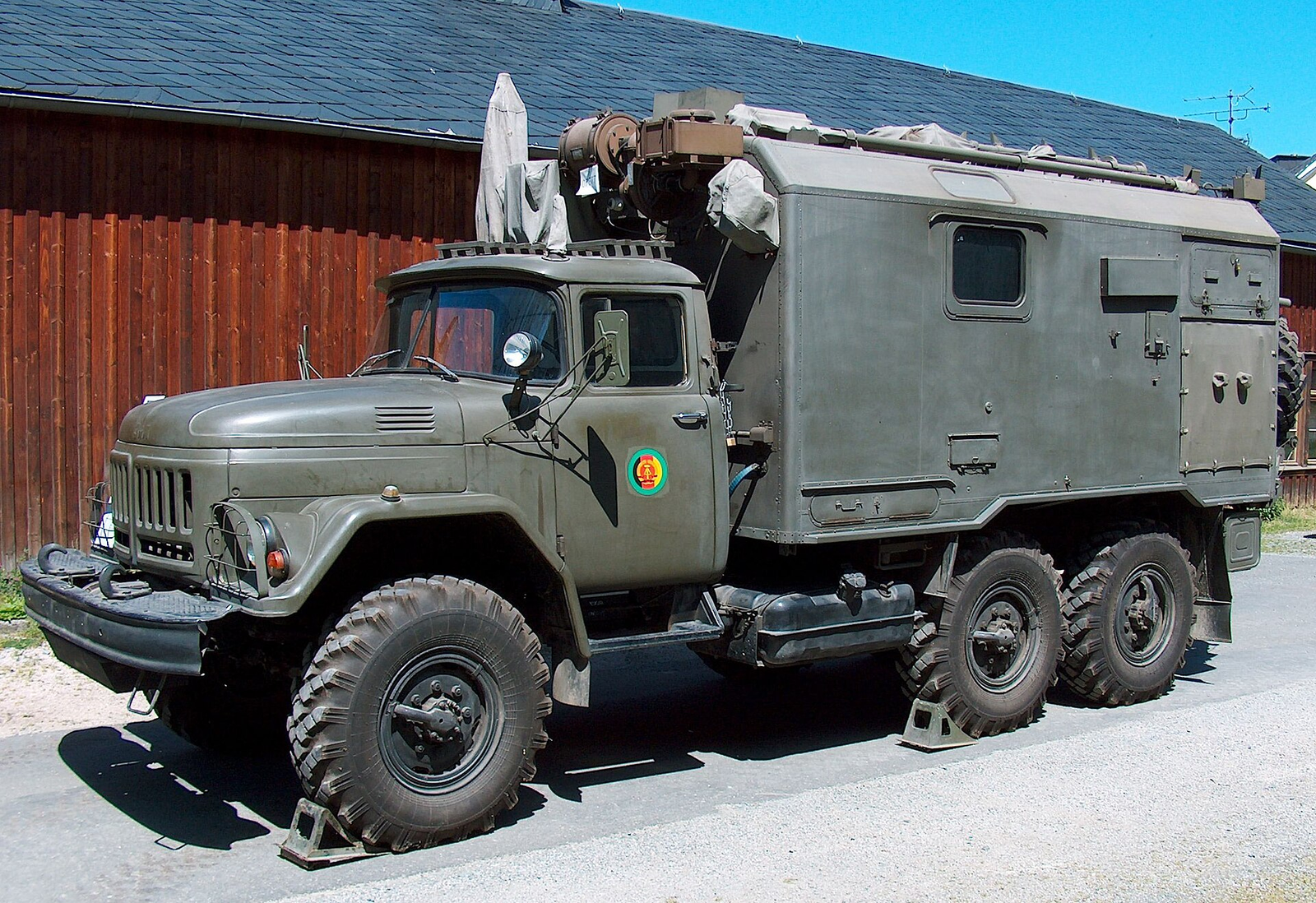
Nevertheless, the panoramic glazing option was approved. Designer Erik Sabo made a significant contribution to the appearance of the car, although his participation was subsequently underestimated.
Work on reducing mass continued even after serial production began. By 1985, the curb weight was reduced to 6135 kg, which increased payload capacity and met new requirements.
Scale of Production and Dependence
The ZiL-131 was produced in several main modifications, and the total number of variants was significantly wider. In the 1980s, the enterprise produced over 50 thousand such trucks annually, and the total output of the entire line in the best periods reached 200 thousand vehicles.
At the same time, a significant part of production – almost a third – accounted for army supplies. Such a demand structure formed a stable but risky dependence. Warehouses were filled with equipment oriented towards a single consumer.
The situation changed dramatically in the early 1990s, when the military virtually ceased purchases. The factory lost its main source of income, and accumulated capacities proved to be redundant.
Attempts at Adaptation
The transition to new models, including the diesel ZiL-4331, could not compensate for the drop in demand. These steps proved to be belated and did not lead to the expected result. An additional factor was competition from used foreign trucks, which actively entered the market.
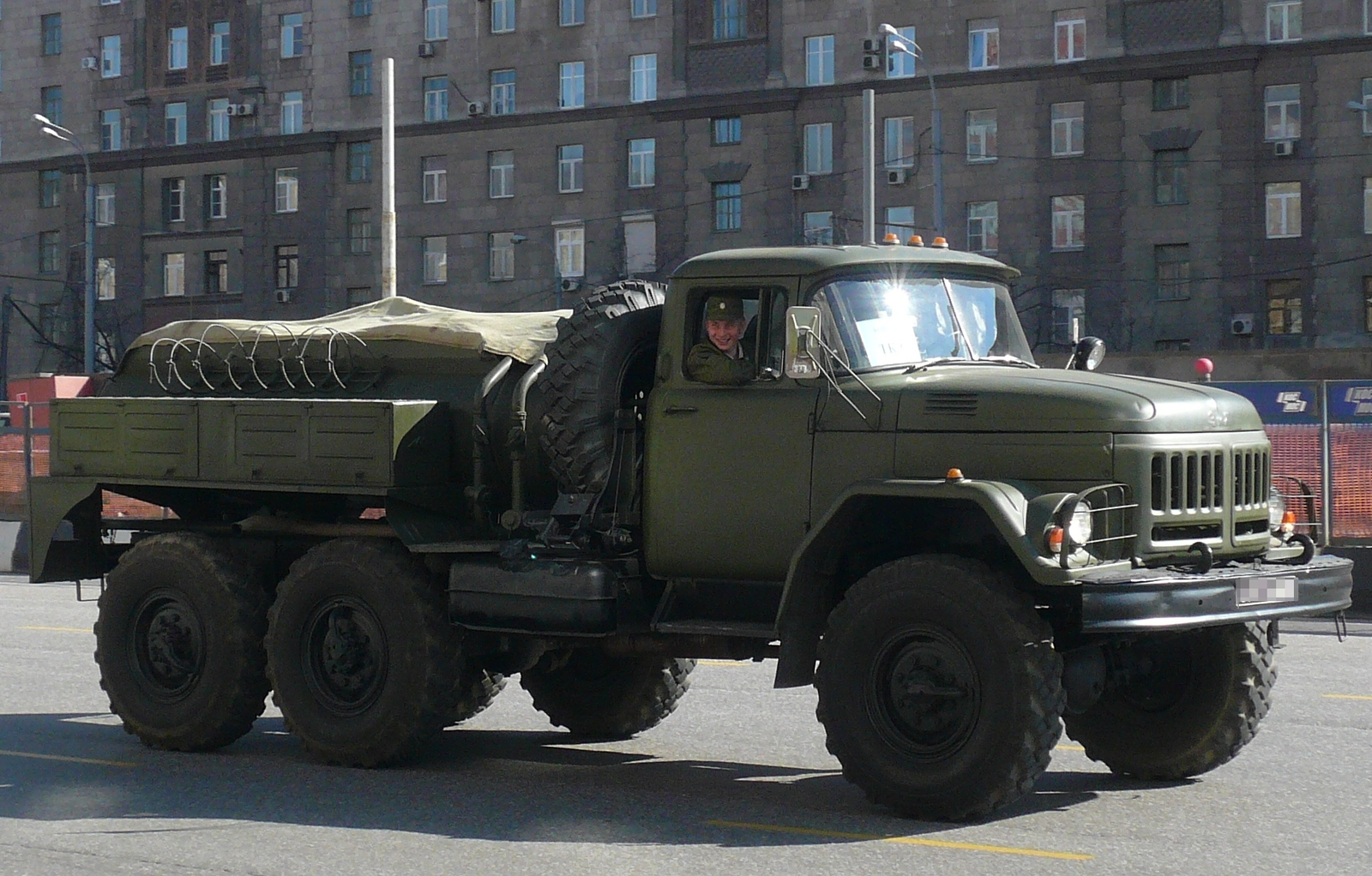
The transfer of production of the modernized ZiL-131N version to UAMZ in 1987 also did not change the overall picture. The systemic dependence on state orders had already played its role.
The history of ZiL-131 shows that even a successful model can become a source of long-term problems if the enterprise focuses on a limited range of consumers. Key factors that influenced the fate of the factory:
- high proportion of army orders
- insufficient diversification of production
- delayed modernization of the model range
- changing economic conditions in the early 1990s
As a result, the factory could not adapt to new realities. The example of ZiL became an indicator of how dependence on a single customer can lead to serious consequences even for a large industrial enterprise.
Read more materials:
- Surveillance through cars: myths and reality
- "Moskvich-411": the forgotten SUV of the USSR
- Hybrid: benefit or overpayment
Комментарии