At first glance, the idea of using walnuts in car maintenance seems strange. However, we are not talking about the nut itself, but about its crushed shell, which is used to clean intake valves. This method has long gone beyond "garage" experiments and is used as a full-fledged service technology recommended by major car manufacturers.
Today, the method is actively used again – primarily due to its effectiveness.
Why carbon buildup has become a problem
Modern direct injection engines (GDI, TSI, EcoBoost, and similar systems) have an important design feature. Unlike earlier engines, fuel is supplied not to the intake manifold, but directly to the combustion chamber.
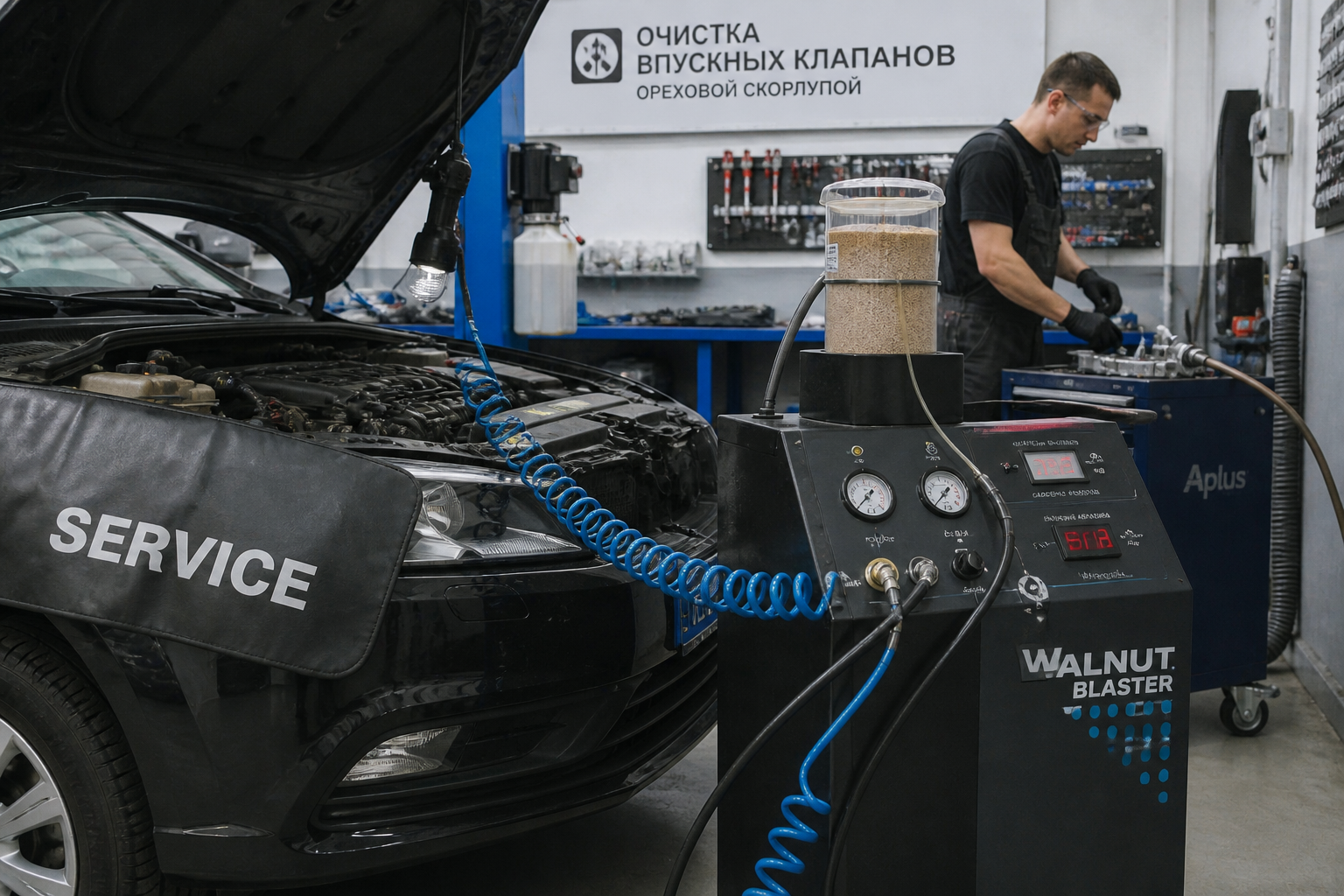
This leads to several consequences:
- intake valves are no longer washed by fuel
- oil mist from the ventilation system settles on their surface
- under the influence of temperature, deposits turn into dense carbon buildup
Over time, this affects engine operation:
- power decreases
- fuel consumption increases
- idle becomes unstable
The essence of walnut blasting
The method is based on supplying a soft abrasive under pressure. In this case, crushed walnut shells are used.
The process is organized as follows:
- granules are supplied by special equipment to the contaminated area
- they mechanically knock off deposits
- residues are simultaneously removed by a vacuum system
This allows cleaning the surface without full engine disassembly and without the use of aggressive chemicals.
Why shells are used
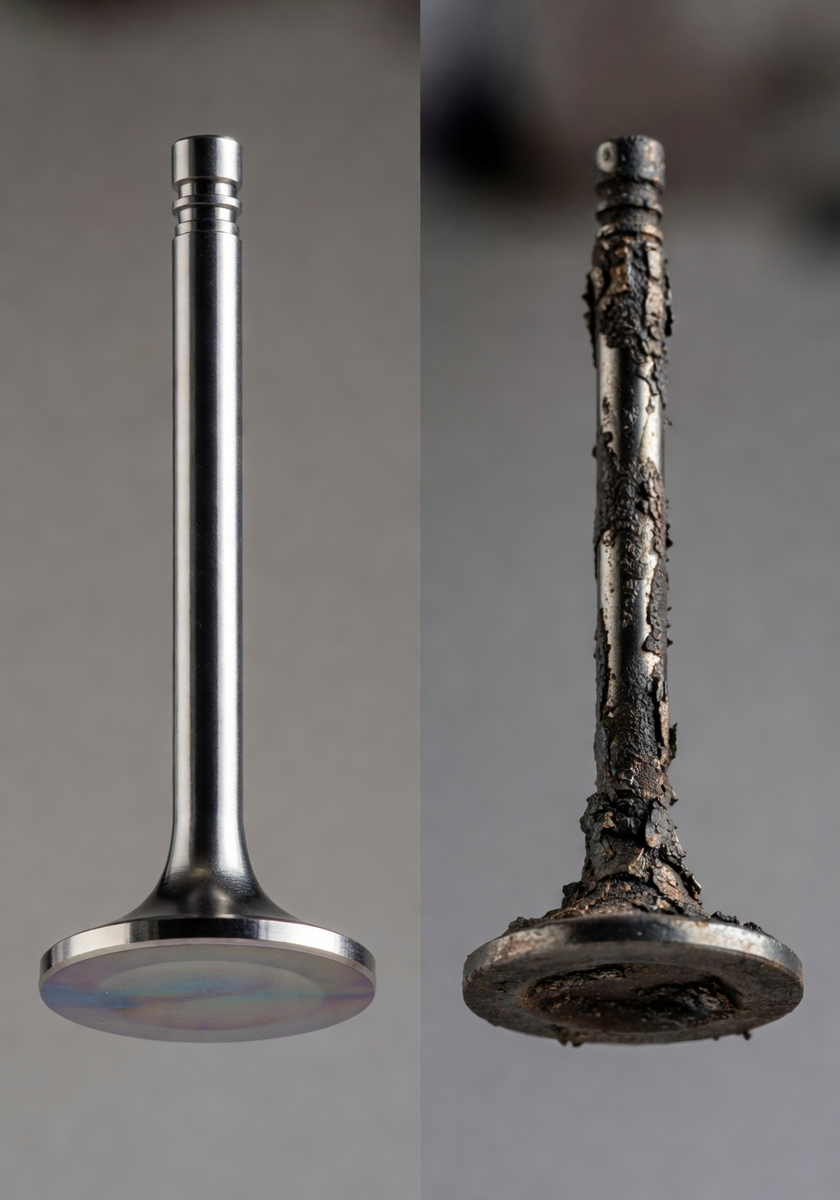
The choice of material is not accidental. The shell has a combination of properties that make it optimal for this task:
- sufficient hardness – effectively removes dense carbon buildup
- softness towards metal – does not damage surfaces
- safety – if particles get into the cylinder, they simply burn up
- environmental friendliness – the material is biodegradable
- practicality – granules can be reused up to four times
What exactly is cleaned
A common misconception is related to the scope of the method. In practice, the following are cleaned:
- intake ports in the cylinder head
- the intake valves themselves
It is there that deposits accumulate, which are difficult to remove by other methods. The intake manifold itself is usually cleaned separately – using chemicals or ultrasound.
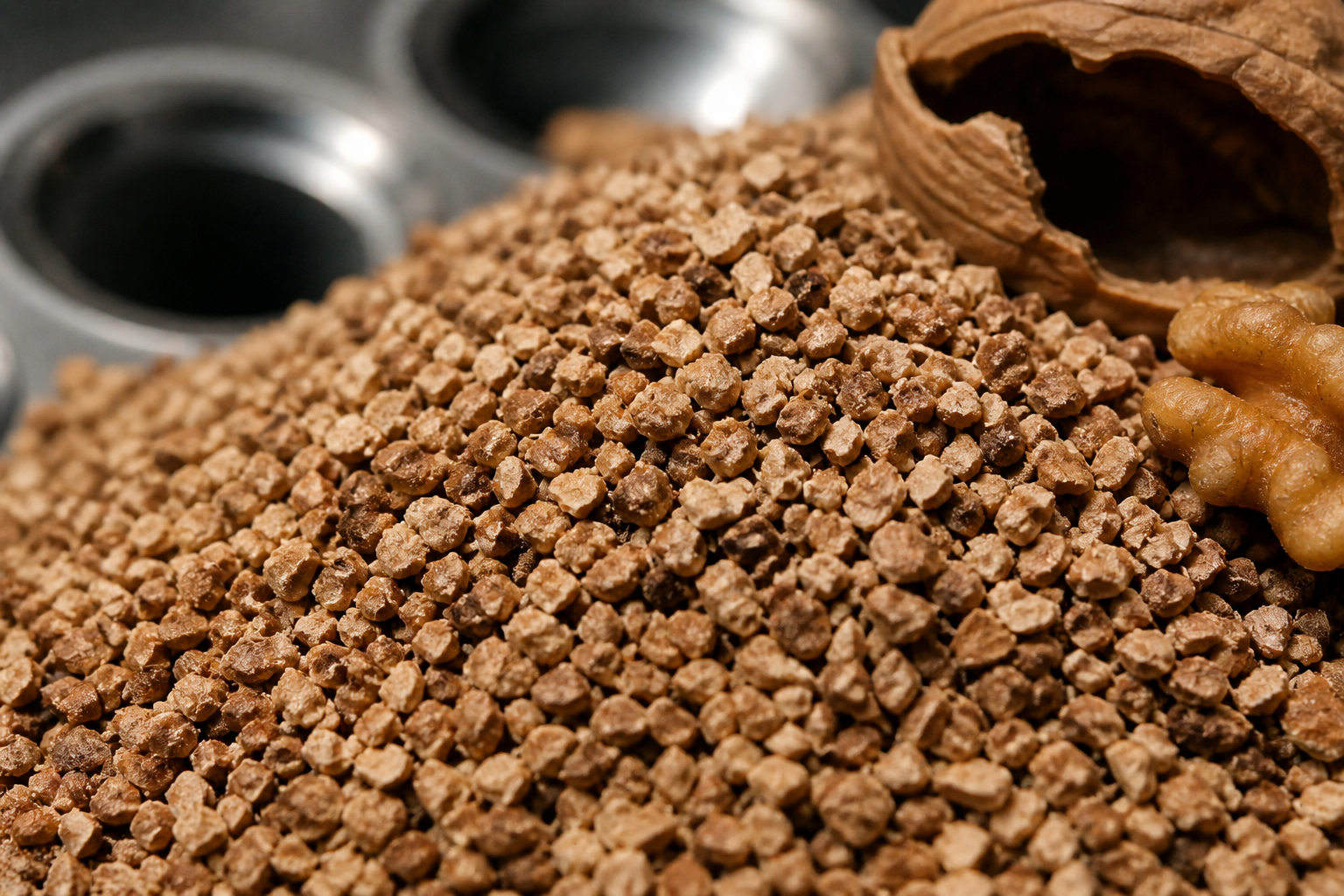
For processing a four-cylinder engine, usually 2 to 4 kg of abrasive material is required.
Mechanics vs. Chemistry
Comparison with chemical agents often arises. Flushes can soften carbon buildup, but their action does not always lead to complete removal of deposits.
Mechanical cleaning differs in that it:
- removes carbon buildup physically, rather than partially dissolving it
- reduces the risk of softened residues re-depositing
- gives a more predictable result
DIY: Limitations
Attempts to repeat the procedure outside of a service center are encountered, but are associated with a number of difficulties:
- it is necessary to precisely set the valve position
- a powerful compressor is required (approximately 80–120 PSI)
- there is a risk of particles entering the engine
Therefore, specialized equipment and experience remain key factors for safe execution of the procedure.
When it makes sense
Practice shows that cleaning is justified in a number of cases:
- the car is equipped with a direct injection engine
- mileage exceeds 60–80 thousand kilometers
- a noticeable deterioration in dynamics and an increase in fuel consumption
- long-term operation of the car is planned
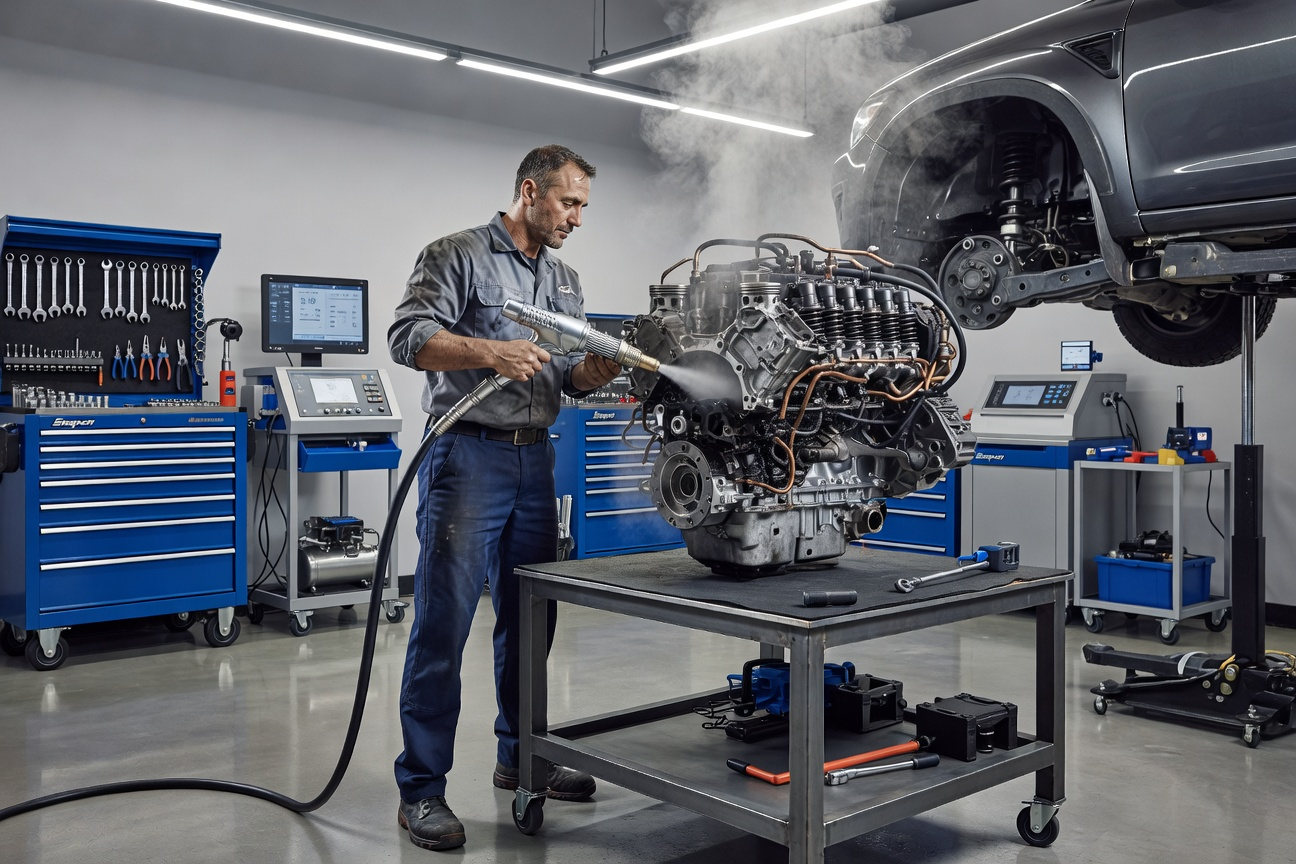
After the procedure, an improvement in engine response, reduced fuel consumption, and more stable idling are usually noted.
Walnut blasting is not an experiment, but a technically sound method of combating carbon buildup in modern engines. It emerged as a response to the design features of direct injection engines and remains in demand due to a combination of efficiency and relative safety.
Read more materials:
- "Zhiguli" luxury class: the phenomenon of VAZ-2103
- How KrAZ-256B conquered British construction sites
- Rotary icon: the rise and fall of the RX-7
Комментарии