The history of automotive manufacturing knows many dramatic episodes, but one of the most illustrative occurred in 1963. Wealthy industrialist Ferruccio Lamborghini, owner of a tractor business and a Ferrari customer, visited Enzo Ferrari. The reason for the meeting was dissatisfaction with the quality of the clutch in his Ferrari cars.
The conversation ended abruptly: Enzo, after hearing the complaint, made it clear that a tractor manufacturer should not instruct the creator of sports cars. A few months later, Lamborghini Automobili was founded.
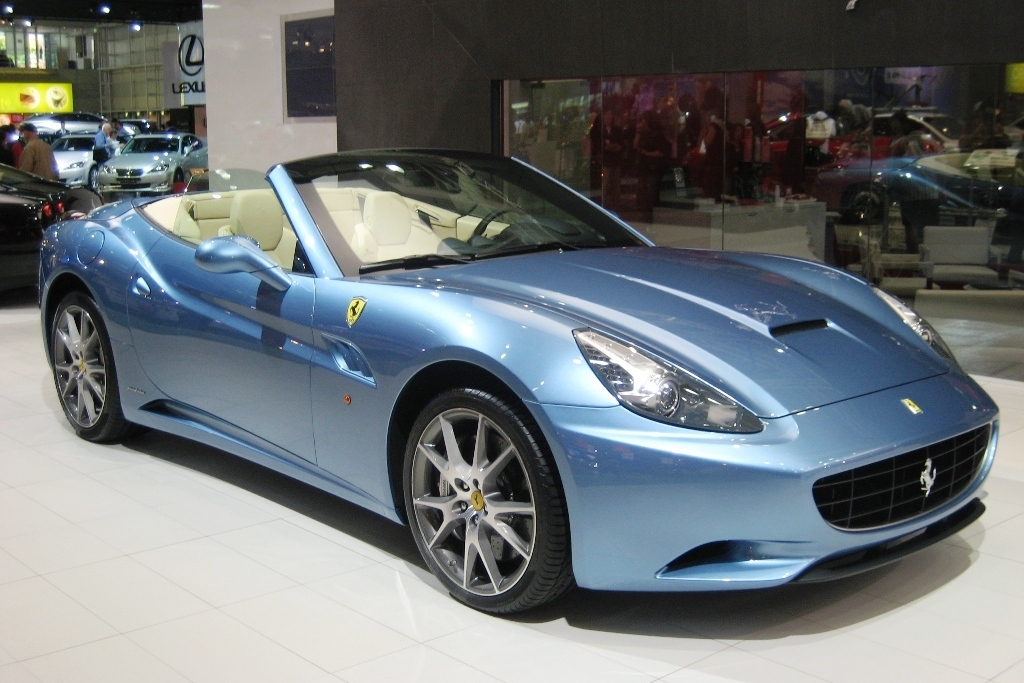
This story is often interpreted as an example of arrogance. However, within the framework of business logic, something else is more important: Ferrari consciously rejected a client — and not only did not try to retain him, but, apparently, considered such an outcome correct. The reason lies in the fact that Ferrari was not initially built as a classic car sales business.
Racing as a Goal, Sales as a Means
Enzo Ferrari was primarily a racer. Not an outstanding one, but deeply passionate about motorsport. In 1929, he founded Scuderia Ferrari — a racing team. It was only in 1947 that the first road car under this brand appeared, and its production was dictated not by ambition, but by the need to finance participation in races.
Thus, the company's basic philosophy was formed:
- production of serial cars is a tool, not an end in itself
- customer money is directed to the development of the racing program
- the buyer is not the center of the entire system
From this logic arose a paradox: a brand that does not seek to please the client has become one of the most desired in the world. As a result, the very structure of interaction changed: now it is not the buyer who chooses Ferrari, but Ferrari who decides to whom to sell a car.
From Accidental Refusal to Selection System
The story with Lamborghini does not have an exact documented version. It is only known that a conflict occurred. According to one confirmed interpretation, Lamborghini pointed out that Ferrari used the same clutch components as in his tractors, but with a multi-fold price difference. Enzo's response was dismissive.
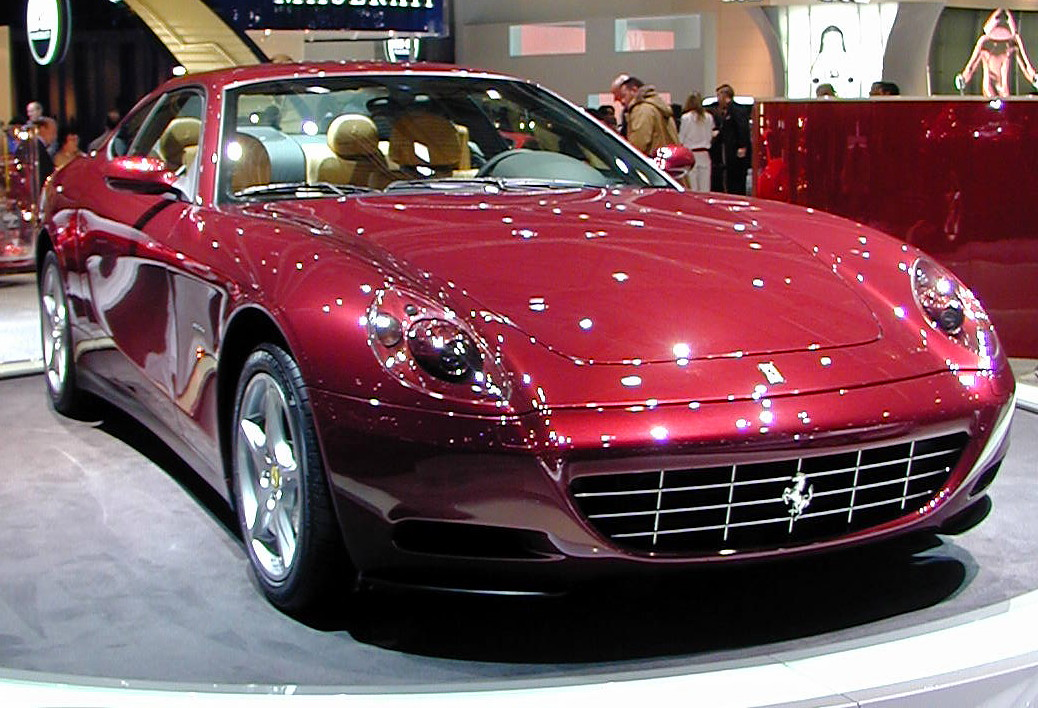
The key point is that the refusal was not accidental. It was a position that eventually turned into a systemic principle.
Today, this logic is implemented through formalized purchase rules. The process of acquiring a car includes:
- allocation of quotas by country and region
- purchase exclusively through official channels
- mandatory customer verification (including financial indicators and a credit rating of at least 740)
- prohibition of resale within the first year
For limited series, the requirements are even stricter:
- history of owning several Ferrari cars
- the brand's right to refuse without explanation
Refusal becomes part of the mechanics, not an exception.
Economics of Scarcity: Less Means More Expensive
Ferrari deliberately produces fewer cars than it can sell. The principle itself is formulated extremely clearly: the balance between supply and demand is a key factor.
Practical implementation looks like this:
- with a demand for 12,000 cars, about 10,000 are produced
- the average waiting period reaches a year
- production volumes are strictly controlled
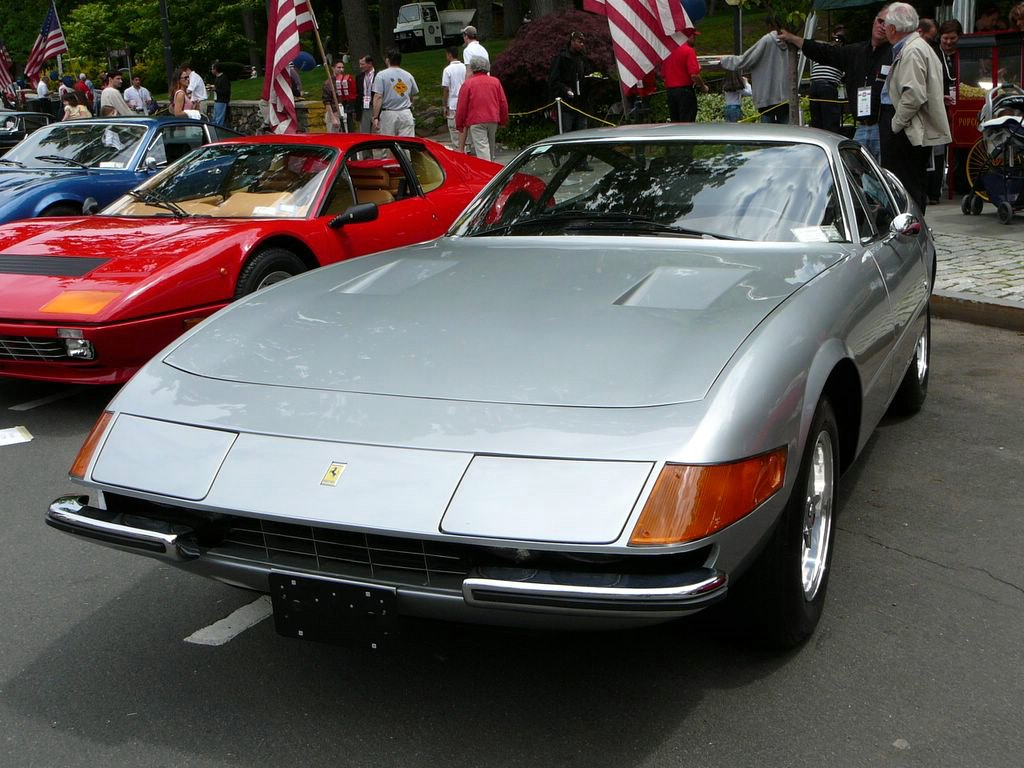
In 2024, 13,752 cars were delivered — a figure that precisely corresponds to the chosen strategy.
Financial results confirm the effectiveness of the approach:
- operating profit — about 1,888 million euros with a margin of 28.3%
- profit per car — 117,927 euros (2023 data)
- for comparison: Porsche — 22,747 euros, BMW — about 7,500 euros per car
Revenue growth also demonstrates the stability of the model: from 2.85 billion euros in 2015 to 6.68 billion euros in 2024, without a significant increase in production volumes.
Secondary Market as a Continuation of Strategy
Controlling supply affects not only the primary market but also the value of cars after purchase. Some models do not depreciate, but rather increase in price.
An example is the LaFerrari:
- starting price — from 1.42 million dollars
- median auction value — about 3.7 million dollars
- in February 2026, one unit was sold for 5,022,400 pounds sterling
Of the 210 units of the Aperta version:
- 200 were distributed among selected clients
- 9 were kept for anniversary events
- 1 was sold at auction for 10 million dollars
Even more mass-produced models lose value slower than competitors: the Ferrari 488 GTB loses about 18% in three years.
The Mechanics of Desire: Scarcity as a Driver
The effect of scarcity is explained not only by marketing but also by philosophy. As early as 1807, Hegel described the structure of desire as a sequence:
- the presence of an object
- its unavailability
- the intensification of the desire for it
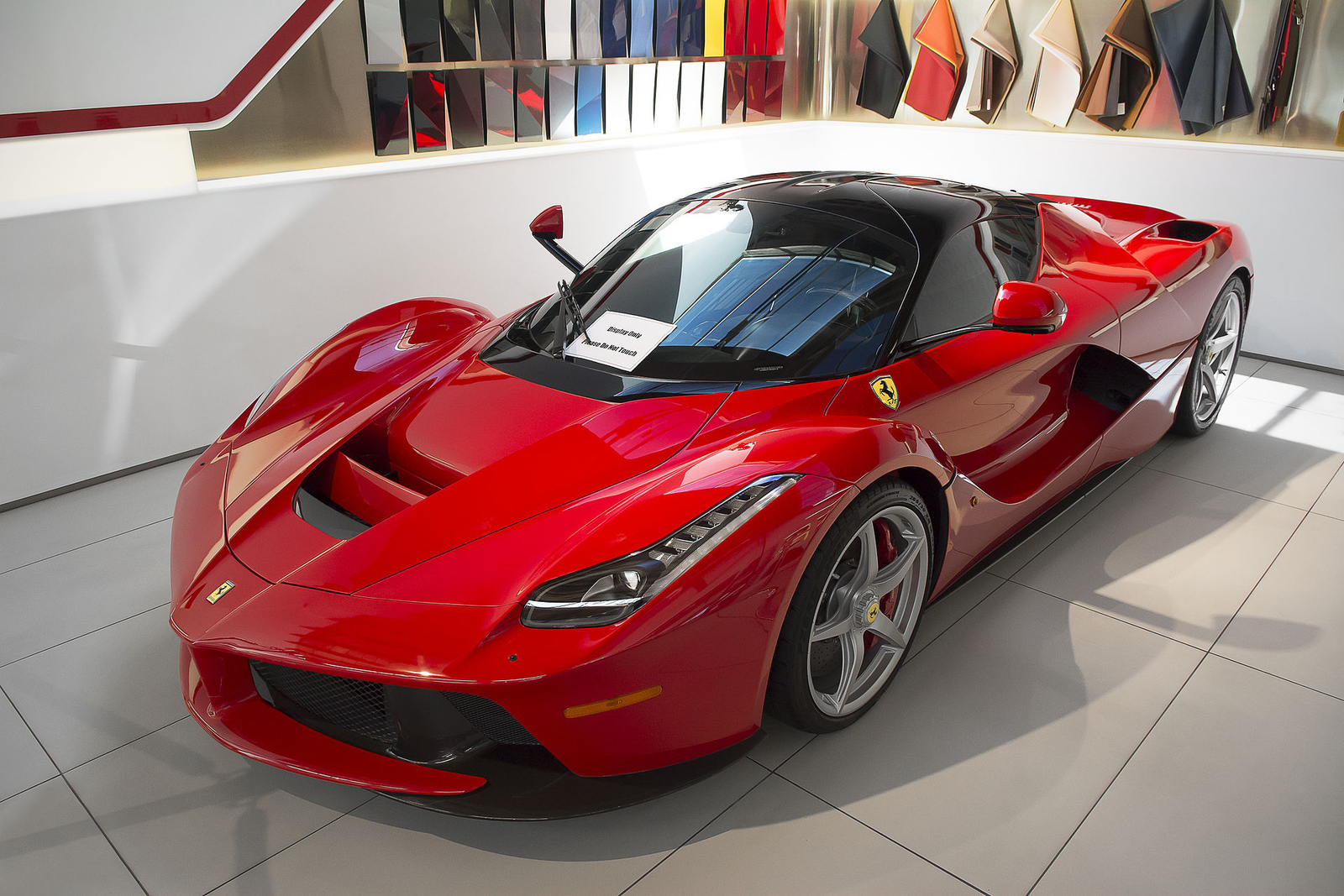
In other words, absence enhances value. Ferrari acts in strict accordance with this logic: it restricts access, thereby intensifying desire.
Universality of the Model: From Watches to Clothing
Ferrari is not the only example of using scarcity as a tool. Similar approaches are used in other industries:
- Hermès restricts access to iconic bags through informal purchase rules
- Rolex allocates watches taking into account customer history
- Supreme releases limited batches of goods without repeat deliveries
The general logic remains unchanged: unavailability creates demand.
Expansion Without Loss of Exclusivity
In 2022, Ferrari introduced the Purosangue — the brand's first four-door car. Despite criticism, the company maintained control over supply: the model's share is limited to 20% of total sales.
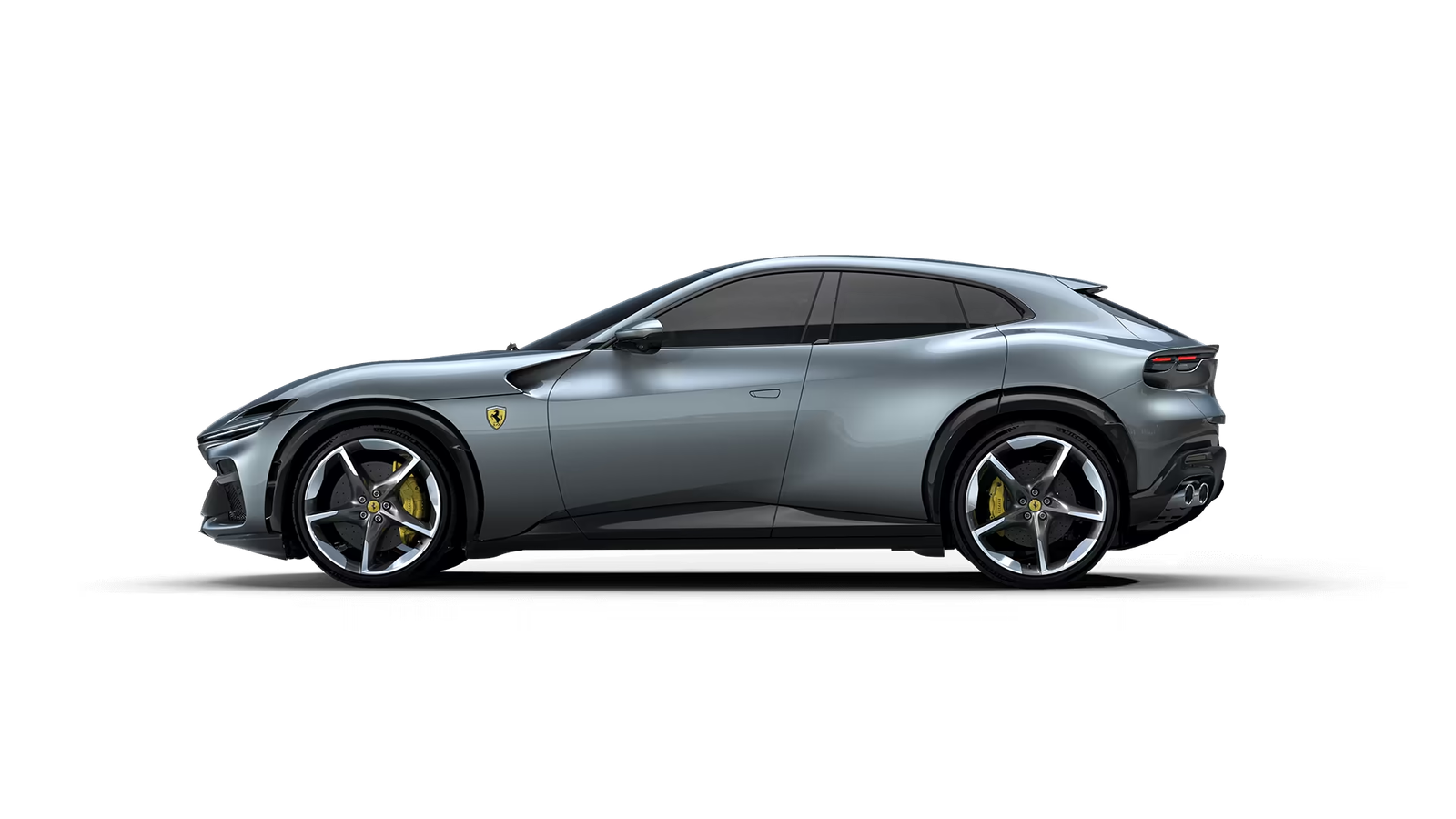
When demand exceeded the limit, production was temporarily halted. As a result:
- about 1500 cars sold from January to August 2024
- no noticeable damage to the brand's image
This shows that even with an expanded lineup, the key principle — scarcity — remains unchanged.
When the Strategy Fails
Opposite examples demonstrate the risks of abandoning control. Burberry actively licensed its brand in the late 20th century, which led to image dilution. Restoration required serious restructuring and took years.
A similar dynamic was observed at Gucci:
- revenue growth to 9.6 billion euros by 2019–2021
- a drop to 7.7 billion euros in 2024 after a change in strategy
These cases confirm: expansion without limiting supply can quickly reduce brand value.
Logic That Turns the Market Upside Down
Returning to the conflict with Lamborghini, it can be seen that the refusal did not destroy demand — it amplified it. The story became part of the myth that fuels interest in the brand.

Financial indicators confirm the sustainability of the strategy:
- net profit of 1,526 million euros in 2024
- revenue of 6.68 billion euros
- production — 13,752 cars
Ferrari produces exactly as many cars as necessary to maintain a balance between accessibility and unattainability. This is the basis of its success: refusal here does not end the deal — it creates desire.
Read more materials:
- How the USSR created the "flying tank" T-80 and why the turbine never became a standard
- The Legacy of the Black Cab: The History of the Austin FX4
- Walnut Blasting: Why Your Engine Needs It
Комментарии