Motorsport, by its very nature, cannot be safe — this is its main paradox. High speeds, extreme concentration, powerful engines, and dense traffic on a limited stretch of asphalt create an environment where risk is not a side effect, but is built into the system itself.
However, even in this world, there are different levels of danger. In some disciplines, accidents are rare and limited to technical damage. In others, each race is like a game of probabilities, where health and life are at stake. Somewhere, pilots perform in front of thousands of spectators, and somewhere else, they are alone with the track, without immediate assistance.
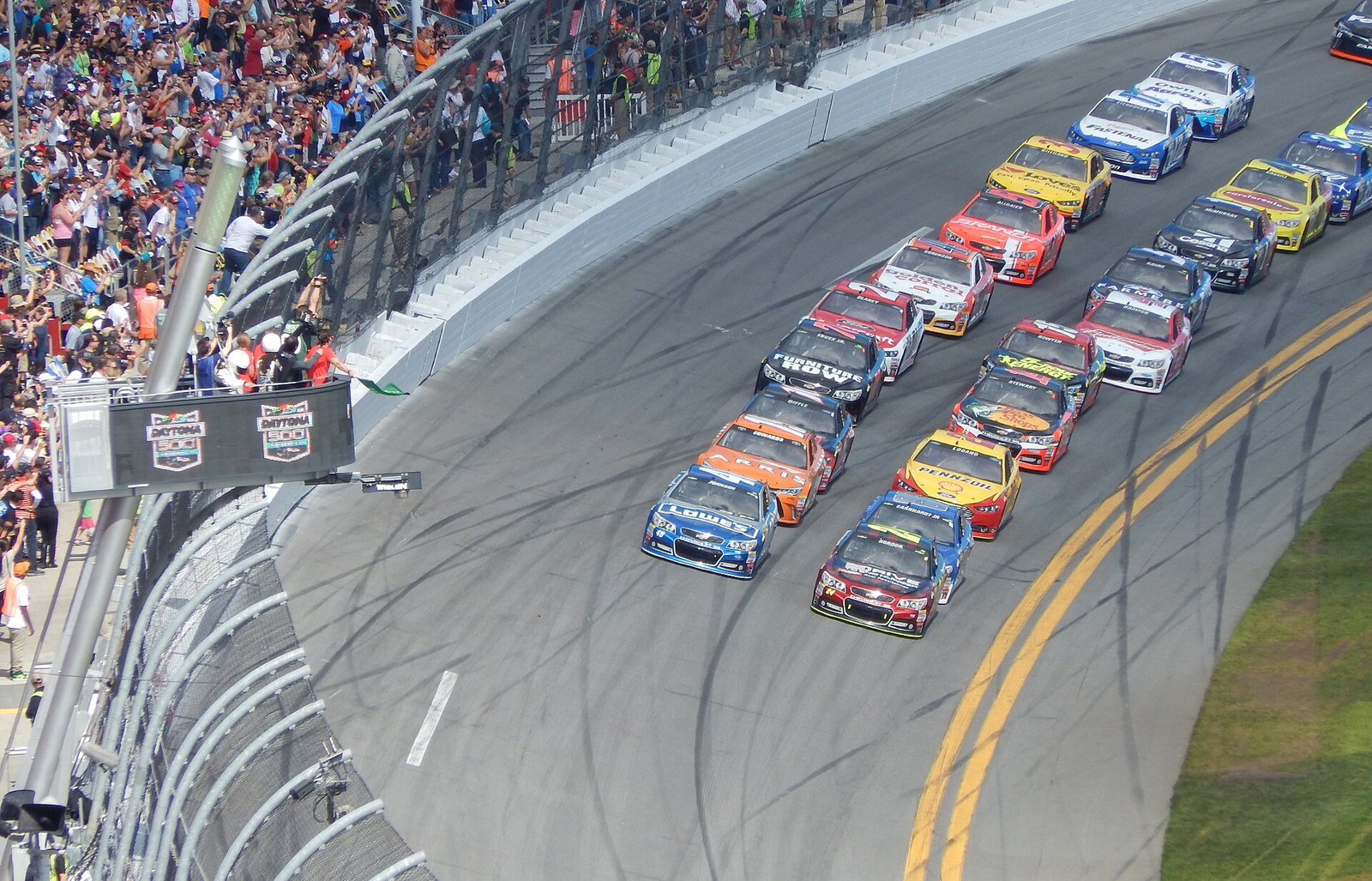
Below are four types of motorsport where the line between control and catastrophe is particularly thin.
24 Hours of Le Mans: Risk Stretched Over Time
The legendary race in France is often perceived as a classic with a well-established safety system. However, its specifics make it one of the most grueling and dangerous disciplines.
The main feature is its duration. This is not a short race, but a 24-hour marathon, where key threats accumulate:
- Fatigue factor. Even with driver changes, the body cannot maintain maximum concentration for 24 hours. The slightest mistake at speeds over 300 km/h instantly leads to severe consequences
- Equipment wear. Car components operate at their limit: brakes, suspension, engine. Failure of any element usually occurs at maximum speeds
- Weather conditions. Over 24 hours, the track can change condition multiple times. Dry asphalt quickly turns into a slippery surface, sharply increasing the likelihood of losing control
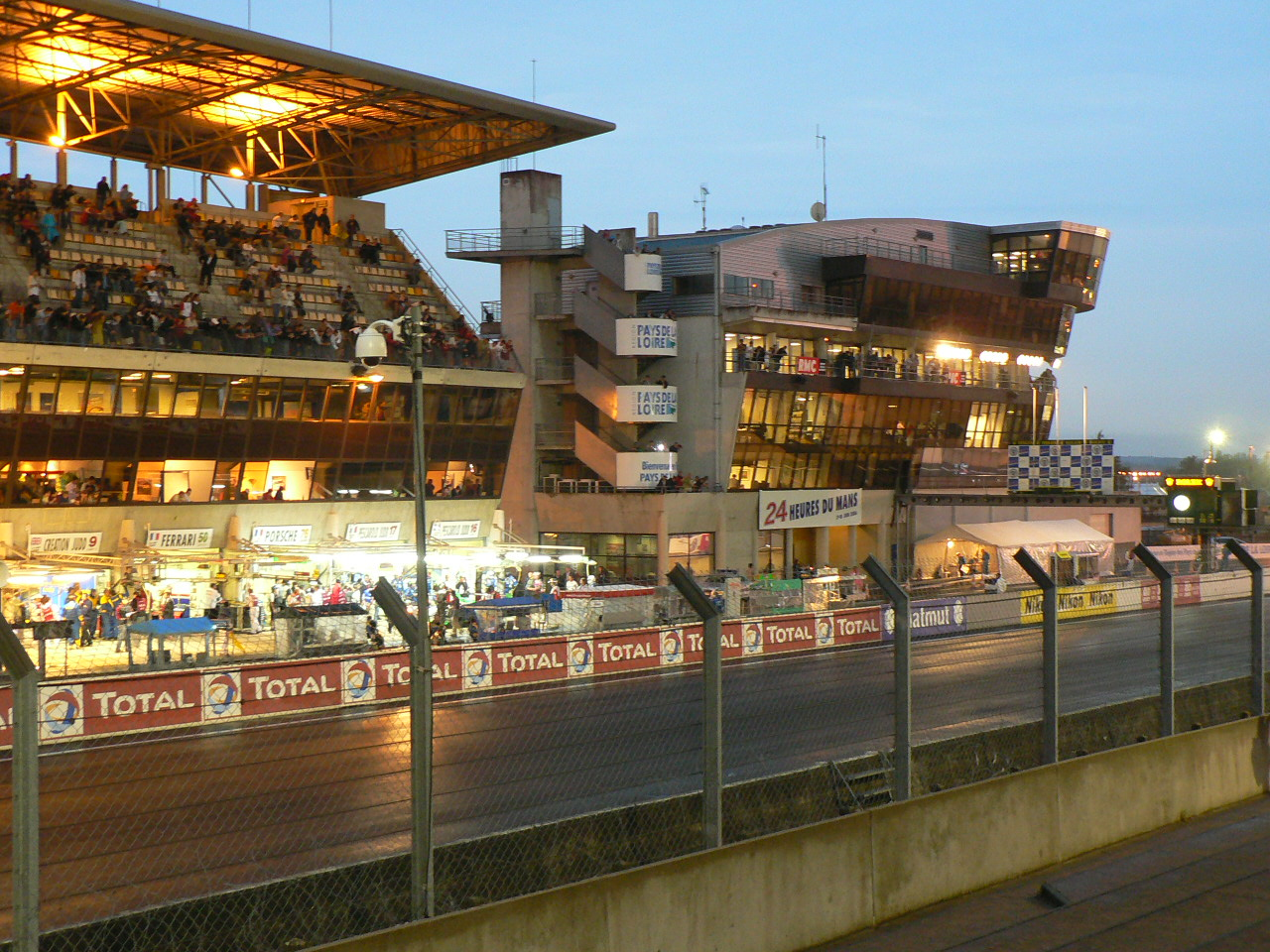
High-speed sections, where cars accelerate to 340–350 km/h, pose a particular danger. History knows illustrative incidents:
- in 1999, the Mercedes-Benz CLR prototype lifted off the ground and flipped three times
- in 2011, Allan McNish's accident resulted in significant destruction of the car upon impact with the barrier
Here, the risk is not necessarily maximal at a specific moment — it is continuous throughout the race, which increases the probability of a critical error.
Pikes Peak: A Track with No Room for Error
The Pikes Peak International Hill Climb, held in Colorado, sharply contrasts with classic tracks. It is a climb up a mountain with minimal protective infrastructure.
Key danger factors:
- Altitude. Starting at about 2.8 km above sea level means thin air. This reduces engine power by 30–40% and worsens the pilot's physical condition
- Track configuration. 156 turns, a narrow road, sharp elevation changes. In many sections, there are no barriers: an error leads to a fall into an abyss
- Speed. Modern cars cover the distance at an average speed of about 150 km/h, with peak values exceeding 200 km/h
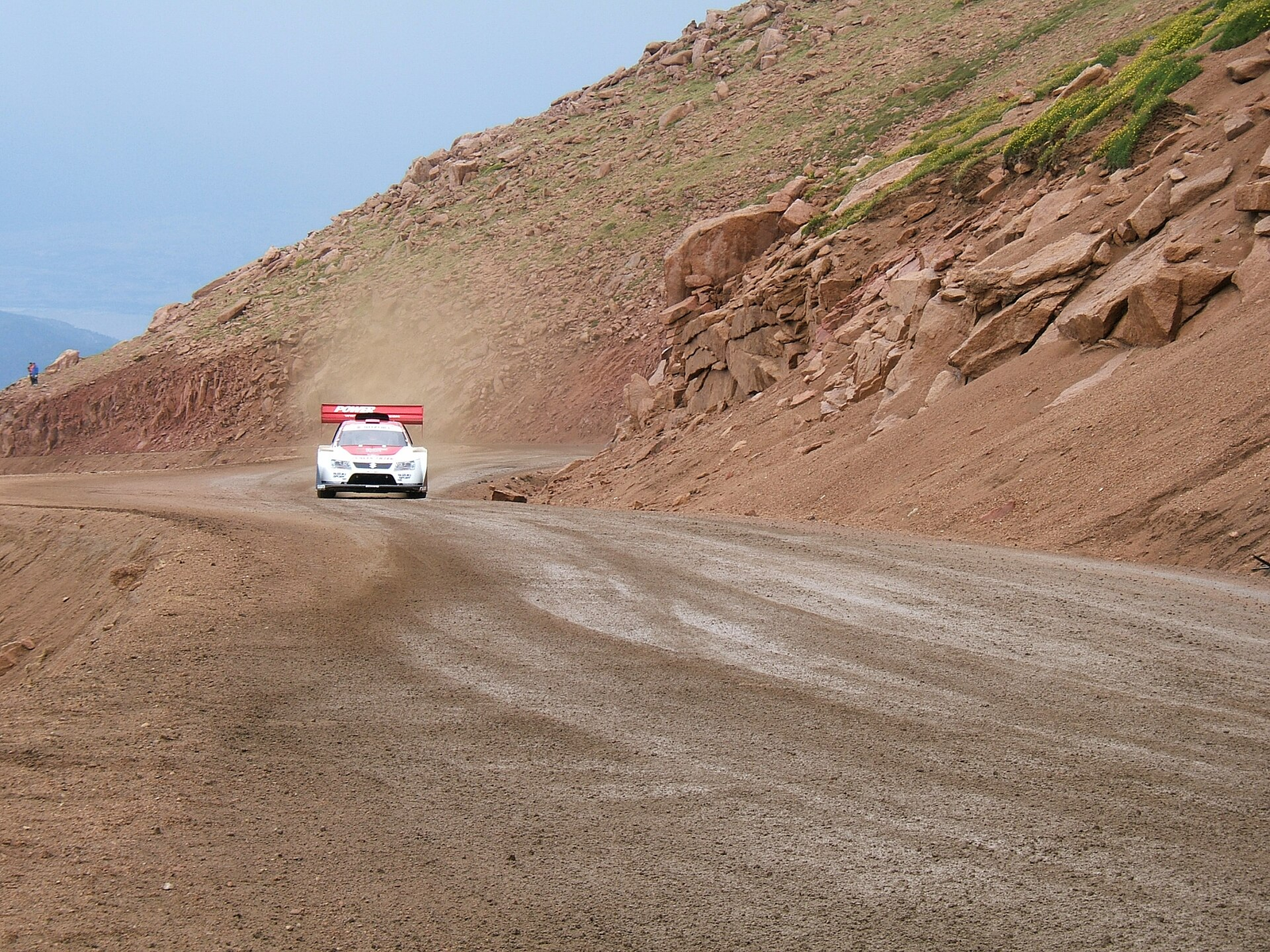
Accidents happen regularly here. Both serious injuries and fatalities have been recorded. At the same time, participants often describe the race as one of the most intense emotional experiences of their careers.
NASCAR: Density Turning into Chaos
NASCAR oval tracks may seem simpler than traditional racetracks at first glance, but the specifics of the series create their own type of threats.
Main sources of risk:
- Dense traffic. Up to 40 cars on a short track create minimal distances between participants. Any error instantly affects several cars
- High speeds. On straights, values exceed 300 km/h, which increases the severity of consequences in collisions
- Chain accidents. The so-called Big One involves dozens of cars when one incident triggers a cascade of collisions
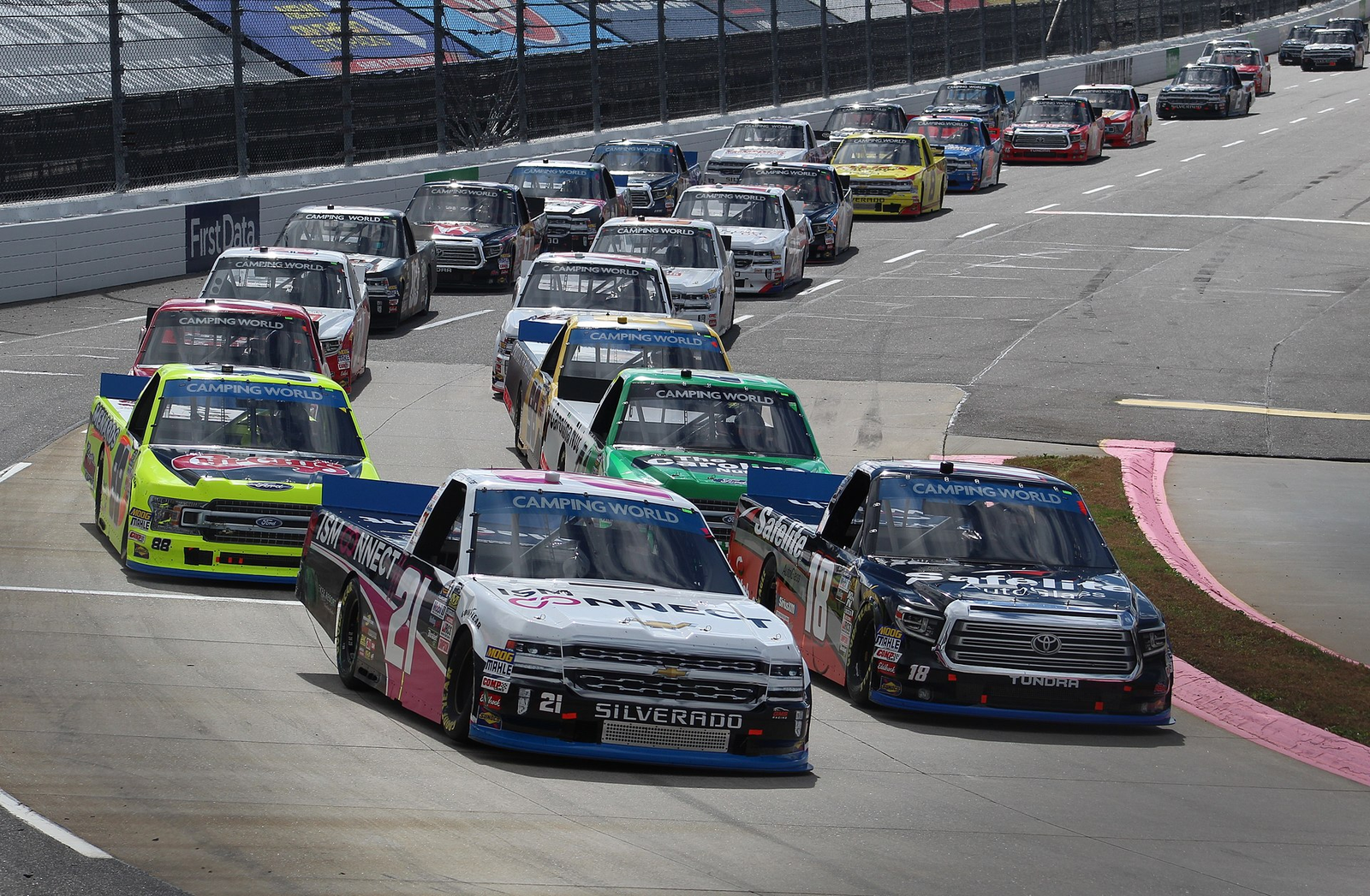
A striking tragic episode is the death of Dale Earnhardt in 2001 on the last lap of the Daytona 500. Despite the absence of significant external damage, the overload proved fatal.
NASCAR remains popular largely due to its unpredictability: spectators don't know until the very end how the race will conclude.
"Dakar": Extreme Off-Road Marathon
The Paris-Dakar Rally Marathon, which started in 1979, is considered one of the toughest tests in motorsport. Over the years, it has claimed the lives of more than 70 people — participants, spectators, and media representatives.
The danger here is multi-layered:
- Navigation. Participants navigate using a paper road book and odometer. An error can lead to entering an impassable zone
- Climate. Temperatures reach 50 °C in the shade and about 60 °C in the cabin. This affects both equipment and the physical condition of the racers
- Isolation. In case of a breakdown, help may arrive only after several hours, and sometimes longer
- Hidden threats. In different years, the routes passed through areas with additional risks, including the consequences of military conflicts
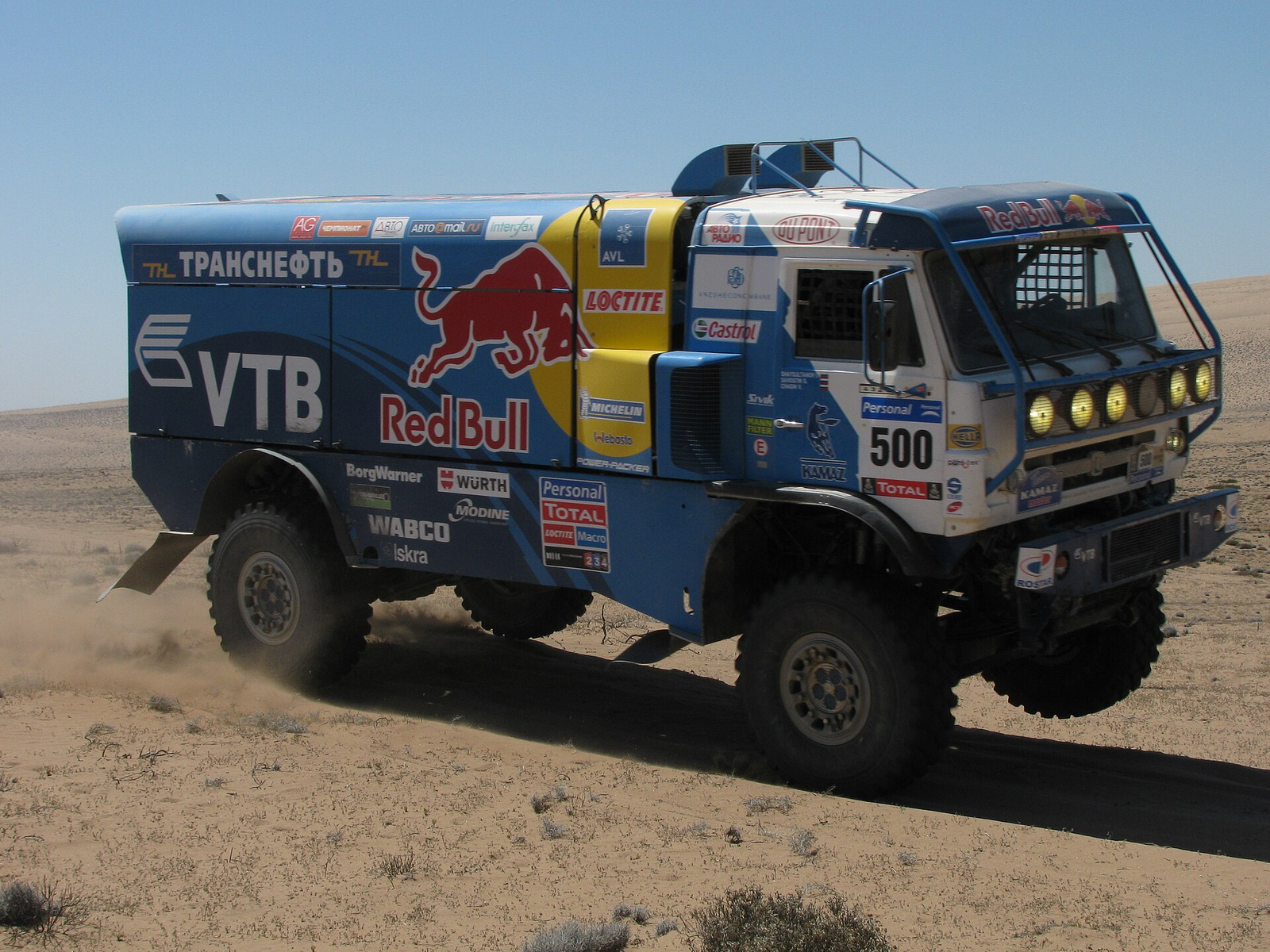
The history of the competition contains a number of tragic incidents, including the deaths of participants and accidents not directly related to the race, such as the crash of a film crew helicopter in 1986.
Even after changing geography (South America, then Saudi Arabia), the level of danger remains high.
Each of the disciplines considered is extreme in its own way:
- Le Mans tests endurance and concentration for 24 hours
- Pikes Peak tests steering precision in conditions of no protection
- NASCAR creates risk through density and speed
- Dakar adds the factor of isolation and natural conditions
Modern technologies — fire-resistant suits, head and neck restraint systems, reinforced roll cages — make motorsport safer than before. However, it is impossible to completely eliminate risk.
It is this contradiction — between the pursuit of safety and the inevitability of danger — that remains the foundation of motorsport. Without it, competitions would lose their essence, turning into controlled and predictable movement on the track.
Read more articles:
- ZIL-131: A Success That Turned into a Crisis
- Tracking via Car: Myths and Reality
- "Moskvich-411": The Forgotten SUV of the USSR
Comments