Many are well aware that Porsche Engineering specialists participated in the development of the VAZ-2108. However, the cooperation of German engineers with the Soviet automotive industry was not limited to this. Over the years, the company also worked with other domestic enterprises, although most of these projects remained little known to the general public.
First Joint Project – Porsche M-412
By the early 1970s, the Moskvich-412, which sold well abroad, began to rapidly become obsolete. Demand for the model gradually decreased, and the creation of a completely new car required too serious financial investments. As a result, the Ministry of Automotive Industry of the USSR chose a compromise option – to carry out a deep modernization of the existing car.
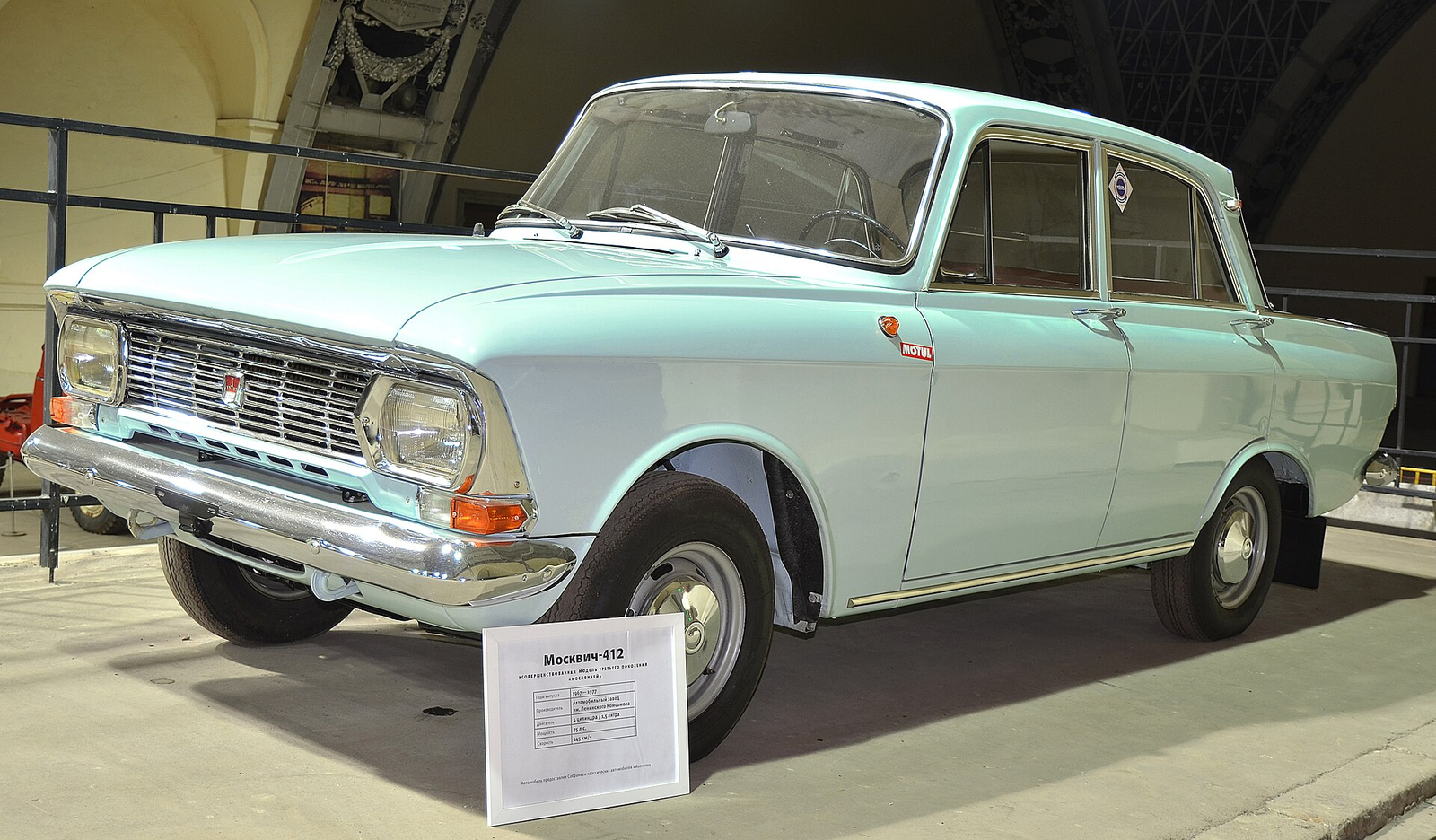
The work on the update was entrusted not only to AZLK designers, but also to Porsche Engineering specialists. Already in 1973, the German company presented its own vision of the modernized Moskvich.
Engineers did not seriously change the appearance of the car within the limited budget. The project provided only a neat cosmetic redesign of the body and a number of changes inside the cabin.
The German version featured:
- new seats with headrests
- modified door handles
- improved dashboard
- trauma-safe steering wheel made of soft plastic
Despite the participation of German specialists, the Soviet version of modernization was ultimately recognized as the most successful. It was later put into mass production under the name Moskvich-2140.
Promising AZLK Car Family
This cooperation between Porsche and AZLK did not end there. Already in 1974, the German side prepared a preliminary design for an entire family of promising Moskvich cars.
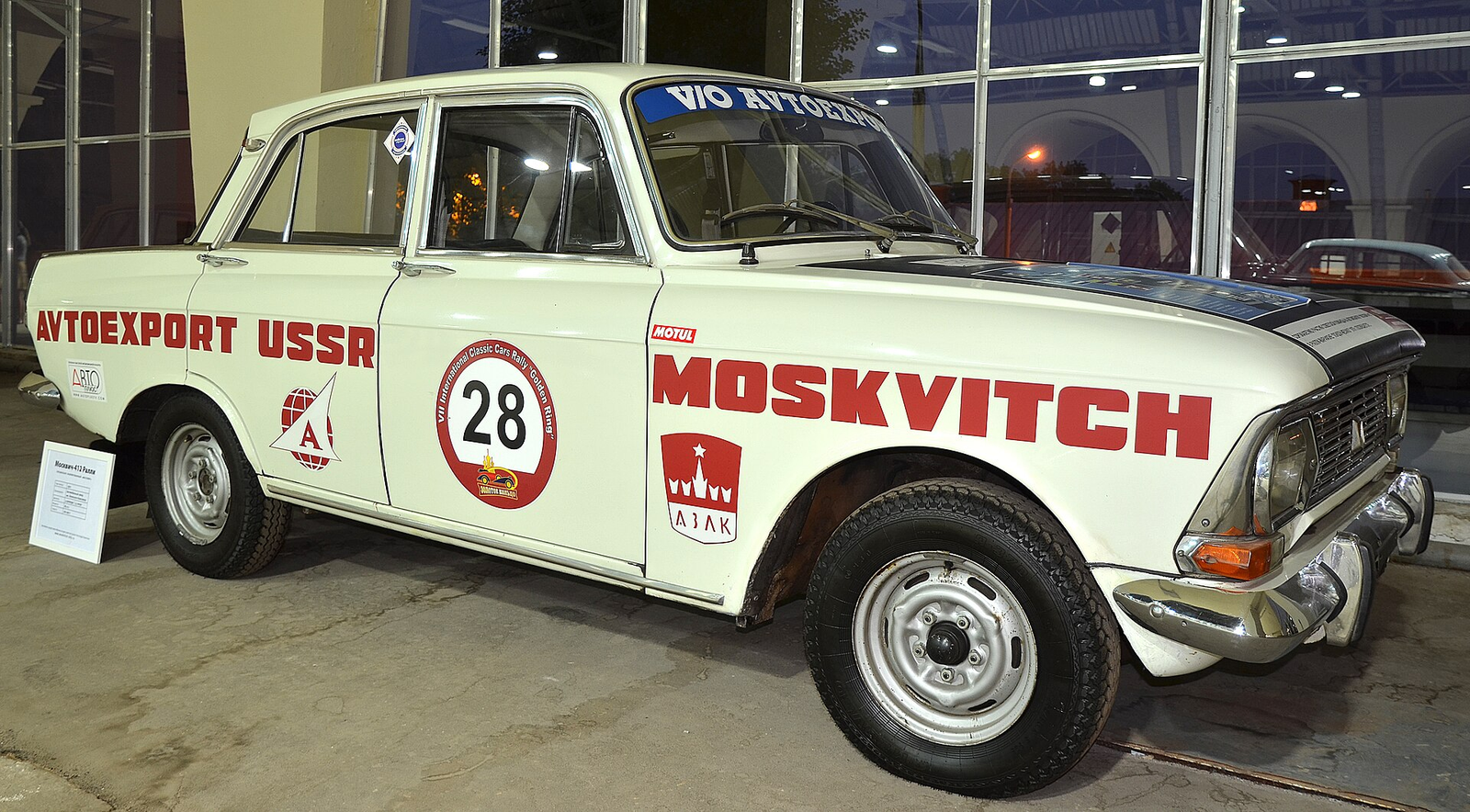
The concept included eight different models:
- two-door sedan
- four-door sedan
- hatchback
- station wagon
- coupe;
- pickup;
- minivan
- SUV
It was assumed that the cars would have rear-wheel drive, a unified line of four- and six-cylinder engines, as well as bodies with improved corrosion protection.
However, the project was more conceptual in nature. It did not receive deep technical development, so this idea had no further development.
German Version of VAZ-2103 Modernization
After the launch of the Volga Automobile Plant, Porsche Engineering's attention gradually shifted to the new Soviet enterprise. In 1976, German specialists presented their own version of the VAZ-2103 modernization.
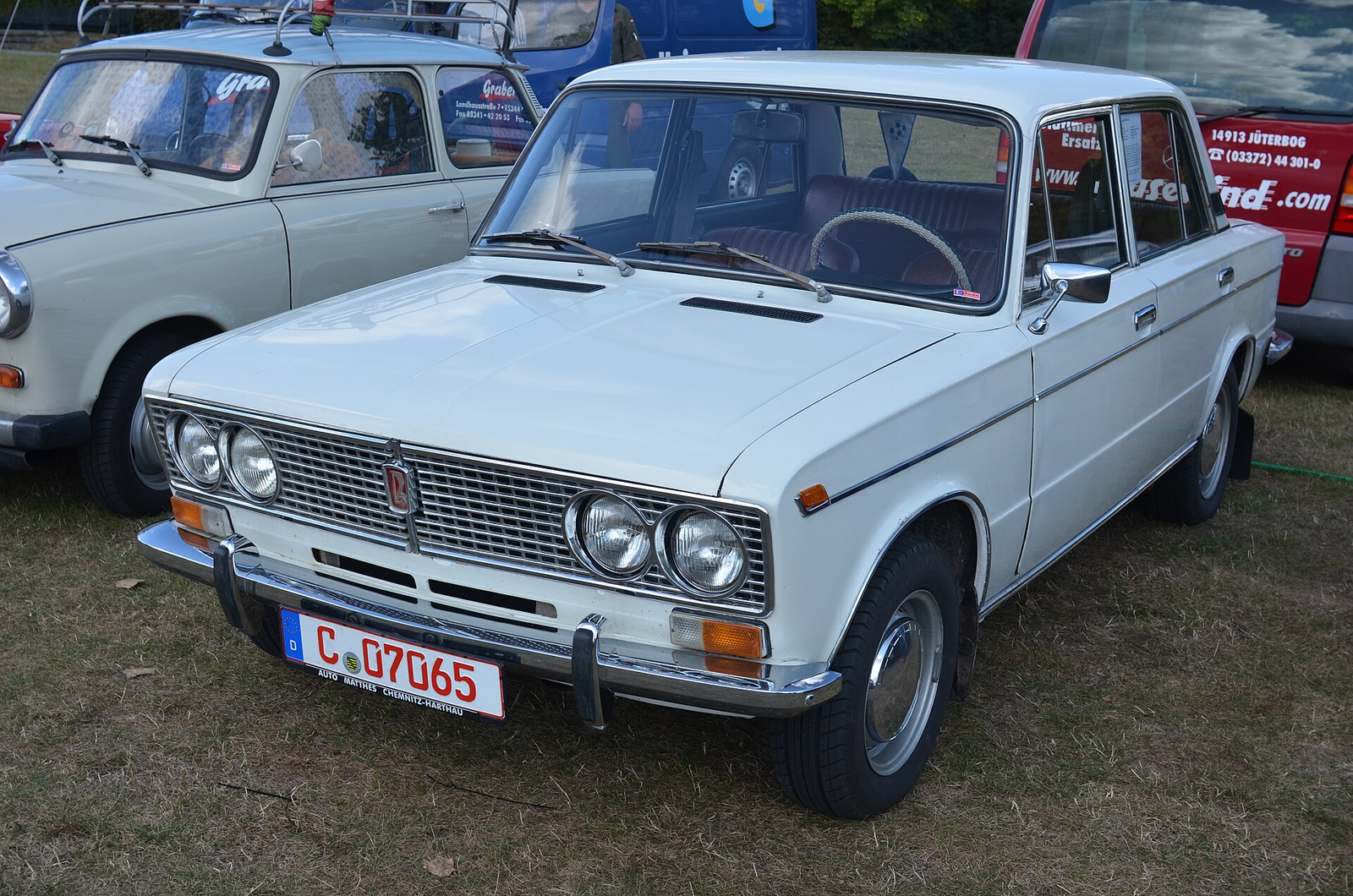
As with the Moskvich, it was not about a complete rethinking of the car. The changes were relatively restrained:
- the body received a simplified design without a large number of decorative elements
- the front facade was redesigned
- the suspension was modernized
- a plastic front panel appeared in the cabin
- a new steering wheel with a wide signal button was installed
But here too, the German project lost to the development of Soviet specialists. A more expressive and presentable version was sent into production, which later became known as the VAZ-2106.
Project "Gamma" and the Creation of VAZ-2108
The most successful cooperation between Porsche Engineering and the Soviet automotive industry occurred in the early 1980s. It was then that the company signed a contract for the refinement of the promising front-wheel drive hatchback VAZ-2108.
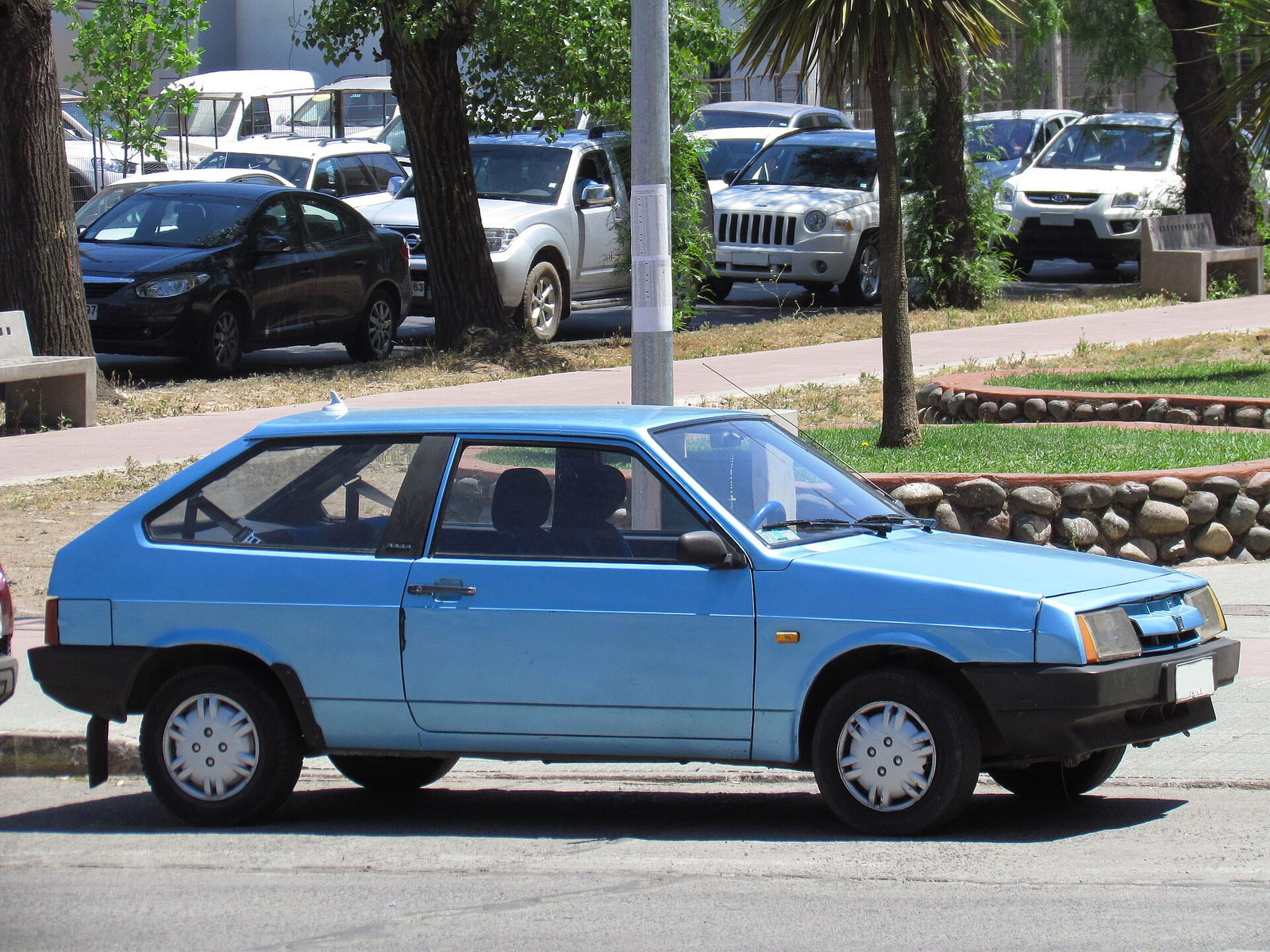
German engineers participated in the refinement of several key components of the car. Specialists helped in the creation of:
- engine
- transmission
- suspension
- electrical equipment
In addition, Porsche was involved in the car's aerodynamics, chassis tuning, and interior ergonomics. The result was a modern car for its time with decent handling and a successful power unit.
Without exaggeration, the "eight" became one of the most successful cars in the history of the domestic automotive industry. Moreover, even today, the design solutions of the first front-wheel drive Lada continue to be used in modern AvtoVAZ models, albeit in a seriously redesigned form.
Read more articles:
- From Gramophone to Talking Car: Automotive Industry Failures
- Silent Block: A Small Part with Big Consequences
- How to Get Rid of Hazy Film on the Windshield