In the post-Soviet space, the Mercedes-Benz W140 received several popular nicknames. Most often, it was called the "six-hundredth" – after the 600SE and 600SEL indices. Another name, "boar," also firmly stuck to the model.
At the same time, people often referred to any W140 as the "six-hundredth," regardless of engine and trim level. So strong was the image of the flagship 1990s S-Class.
Why the W140 Became Iconic
The popularity of the Mercedes-Benz W140 was due to several factors.
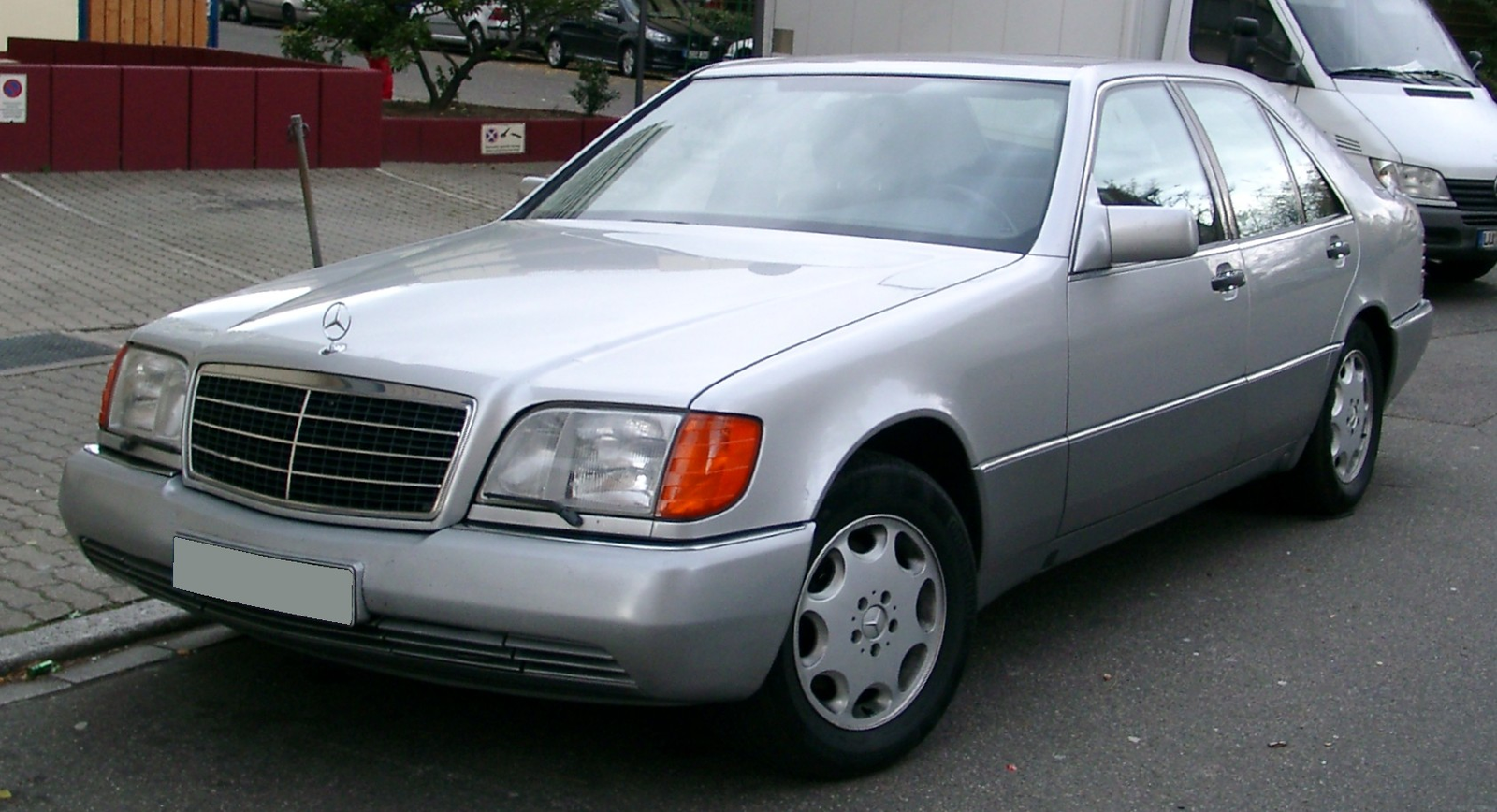
The car combined:
- advanced technologies for its time
- high level of comfort
- luxurious trim
- almost exemplary build quality
- imposing appearance
As a result, the W140 quickly transformed from just an expensive sedan into a true symbol of status and high standing.
For many brand enthusiasts, this car became the last "true" classic Mercedes, still retaining monumentality, engineering thoroughness, and a special old-school atmosphere.
The Car That Changed Mercedes' Style
It is believed that the Mercedes-Benz W140 ushered in a new era of the brand's signature design.
Although the first step towards rethinking the style was the Mercedes-Benz R129 roadster, which debuted in 1989, it was the W140 that finally solidified the new aesthetic.
One of the characteristic features was the placement of the signature three-pointed star directly on the hood, rather than inside the radiator grille.
From an engineering perspective, the "one-forty" proved to be a transitional model between the era of fully mechanical cars and modern high-tech machines with advanced electronics.
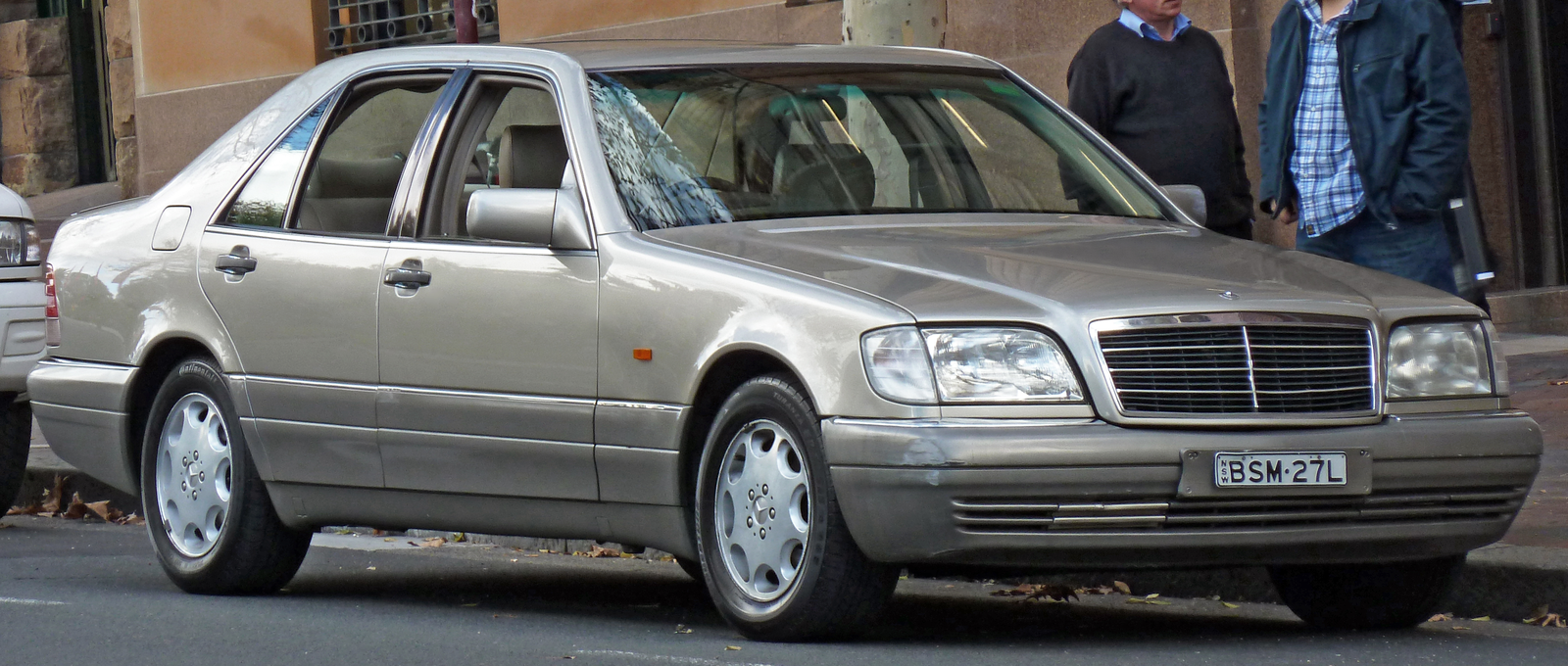
Moreover, later versions of the W140 differed significantly from the first models of the early 1990s.
What Technologies Appeared on the W140
With each update, the Mercedes-Benz W140 received more and more electronic systems, many of which later became standard for the premium segment.
Over the years, the car featured:
- Brake Assist emergency braking system
- ESP electronic stability control system
- ultrasonic parking sensors
- rain sensor
- xenon headlights
- Linguatronic voice control
- Tele-Aid system for calling emergency services
Brake Assist first appeared on 1996 models. The system analyzed the abruptness of pressing the brake pedal and, if necessary, instantly increased braking force.
In 1995, front and rear parking sensors became standard equipment for the "six-hundredth."
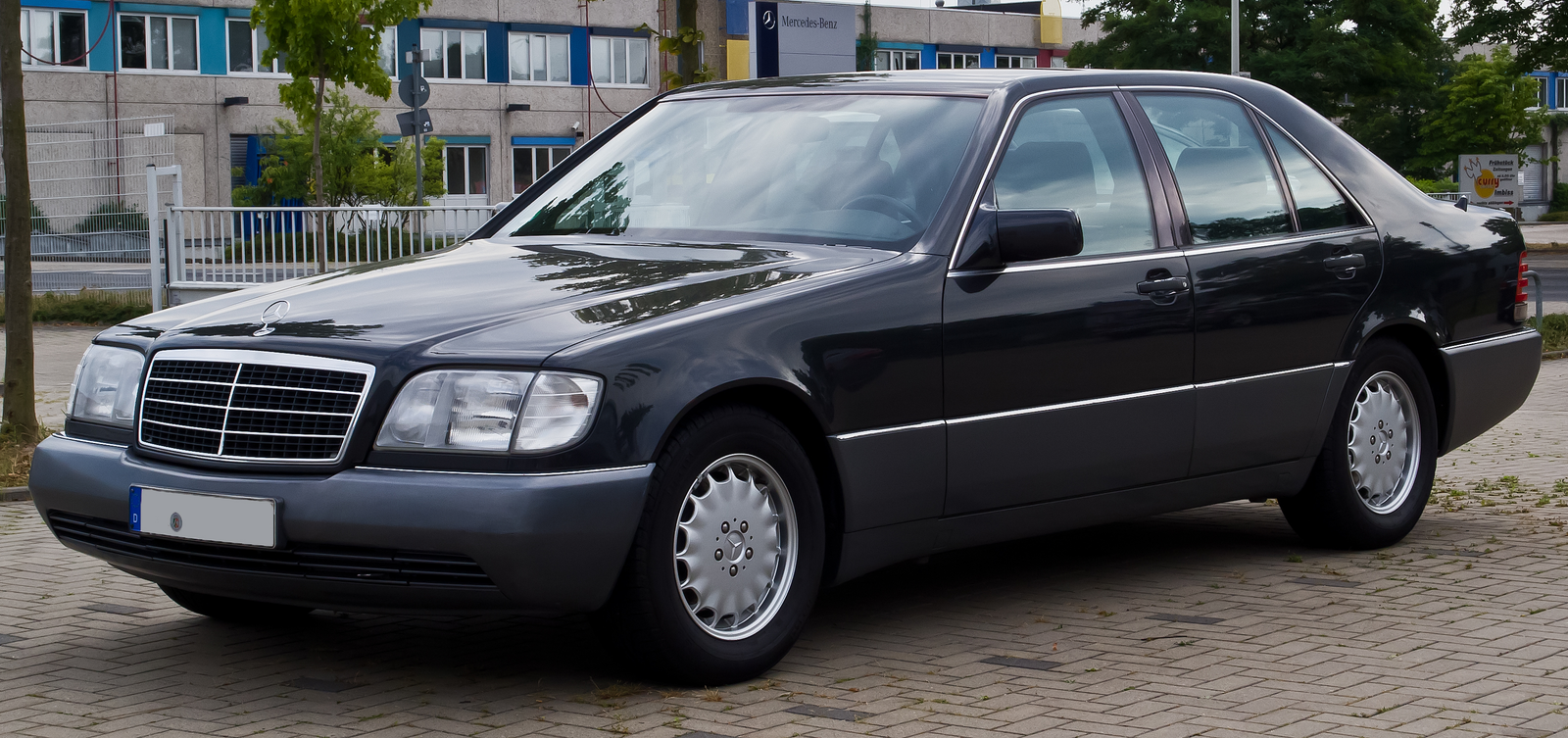
A year later, all W140 versions received side airbags, an intelligent rain sensor, and the option of installing xenon optics with washers, wipers, and a dynamic light beam direction change function.
Luxury Without Compromise
The level of equipment of the Mercedes-Benz W140 practically depended only on the owner's budget.
Particular luxuries included:
- soft-close doors
- folding mirrors
- Parameter Steering system
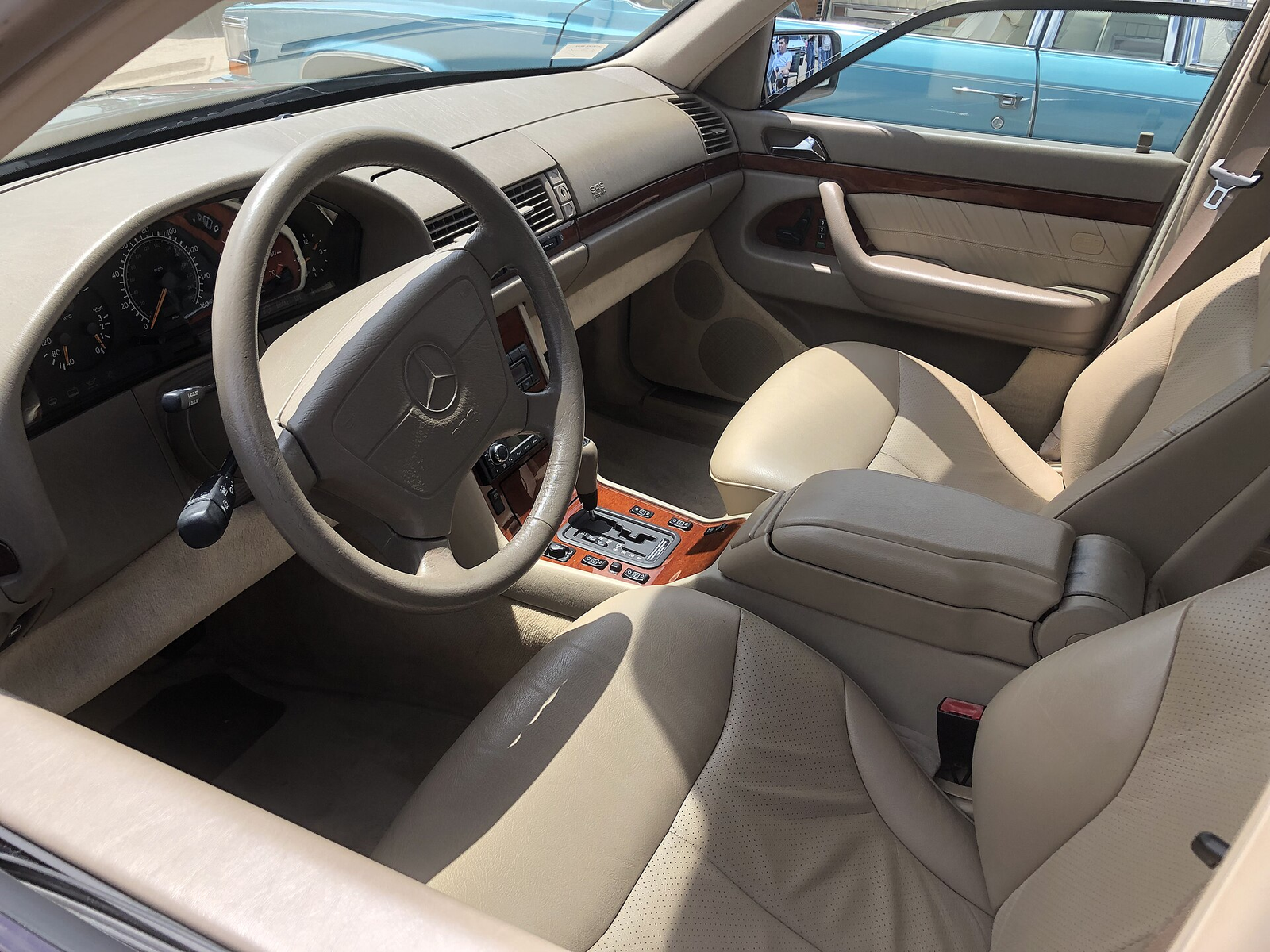
- electric drives for almost all interior elements
Electrification was applied to:
- seats
- windows
- mirrors
- headrests
- sun blinds
Parameter Steering changed the steering effort depending on the vehicle speed. When parking, the steering became light, and on the highway, it became heavier and more informative.
For the first half of the 1990s, such a set of technologies seemed almost fantastic.
What Engines Were Installed on the W140
Over its production years, the Mercedes-Benz W140 received a wide range of engines.
Among the gasoline inline "sixes," the following were used:
- M104 E28 with a volume of 2.8 liters
- M104 E32 with a volume of 3.2 liters
However, the M120 E60 engine became the true symbol of the model.
This engine featured:
- V12
- 6.0-liter displacement
- 408 horsepower
- 580 Nm of torque
Moreover, at just 1600 rpm, the engine produced 500 Nm of thrust.
It was the versions with this engine that received the popular name "six-hundredth."
Interestingly, the M120 was Mercedes-Benz's first twelve-cylinder engine in a production passenger car.
A 7-liter catalytic converter was used for exhaust gas purification – one of the largest among passenger cars of that time.
In addition to the V12, V8s were also offered to buyers:
- 5.0-liter M119 with 320–326 hp
- 4.2-liter version with 279–286 hp
Diesel engines were also available:
- OM603 D35 A
- OM606 D30 LA
Later, some owners of used S600s replaced the thirsty V12 with more modest inline "sixes" of 2.8 and 3.2 liters. Even unusual variants with a three-liter diesel engine producing about 100 horsepower and a manual gearbox were encountered.
Why the W140 is Still Remembered
The main impression of the Mercedes-Benz W140 for many remained its level of comfort.
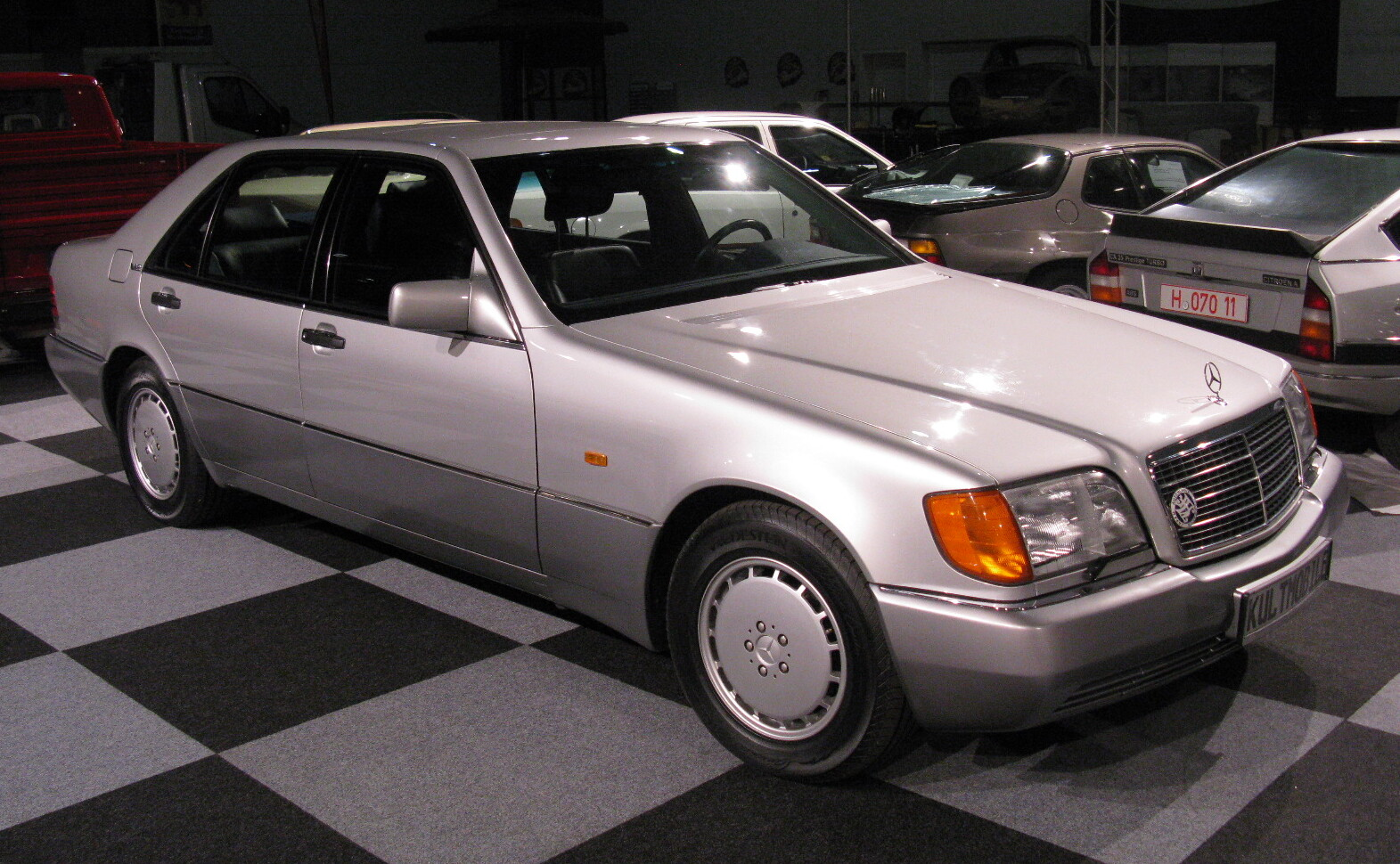
The car was famous for:
- double glazing
- powerful sound insulation
- almost complete silence in the cabin
- smooth ride
- feeling of massiveness and solidity
Those who drove a technically sound W140 often recall this feeling of absolute isolation from the outside world.
Compared to the later Mercedes-Benz W220, the "one-forty" is perceived as a much heavier, more monumental, and fundamental car – both in design and driving character.
That is why for a huge number of brand enthusiasts, the W140 remained not just another S-Class, but a true automotive legend of the 1990s.
Read more articles:
- Kia Tasman in Russia: Prices, Problems, and Prospects
- What the A/C Button Really Does in a Car
- Why the Soviet NAMI-044E Was Too Early