In the history of Soviet machine building, there were many unusual projects, but few of them gained such fame as the ZIL "Blue Bird" complex. This equipment confidently moved through terrain where trucks, army vehicles, and even some tracked all-terrain vehicles got stuck. Swamps, deep snow, off-road conditions, and water obstacles did not pose a serious obstacle for it.
Its unusual appearance and bright blue color gave rise to many legends around the machine. Many people, seeing it for the first time in photographs or in person, mistook the equipment for a secret experimental project. However, the complex was not created just to demonstrate engineering capabilities. The designers faced a very specific task – to ensure work in places where any mistake could cost human lives.
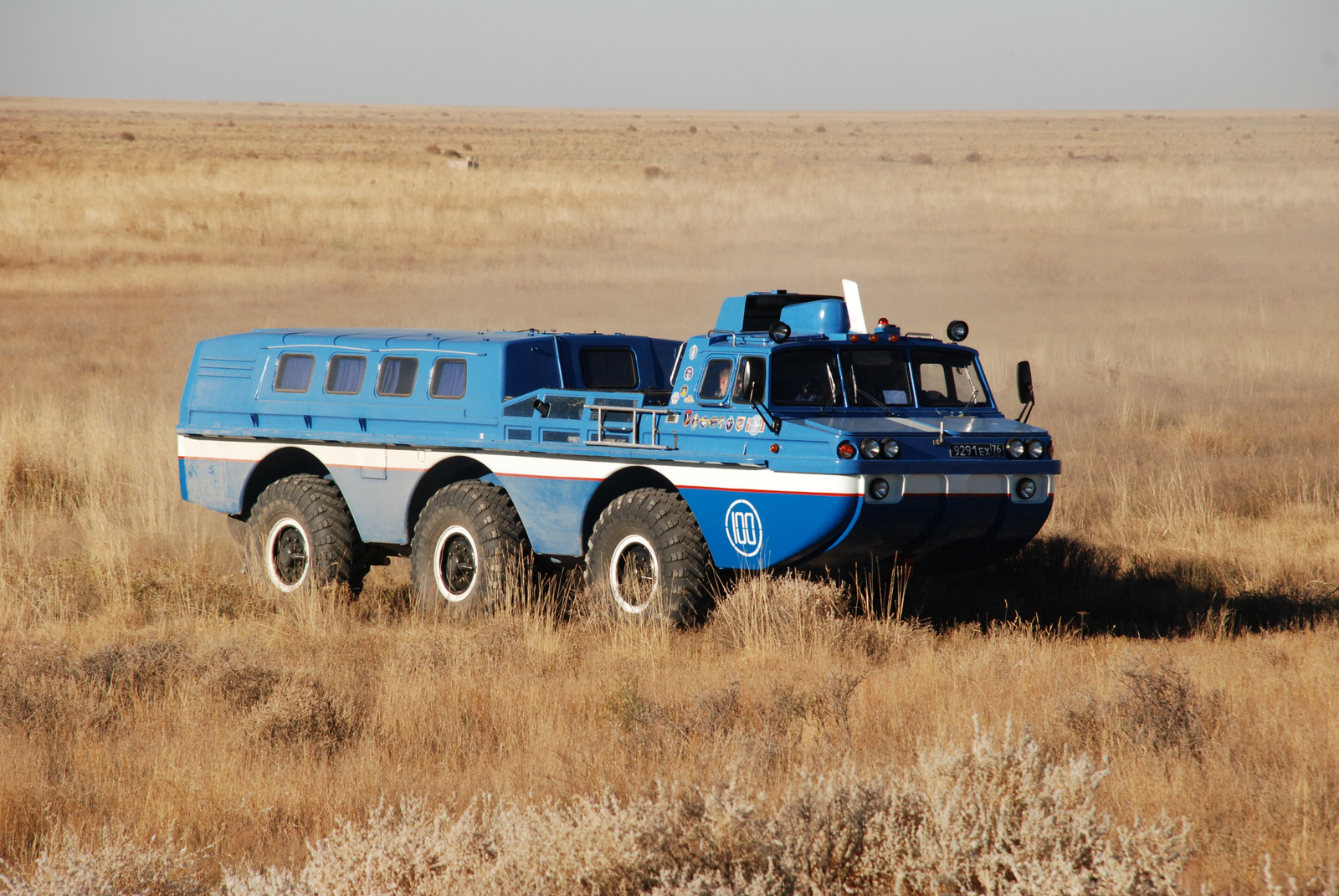
Even decades after its appearance, the "Blue Bird" remains one of the most recognizable developments of the Soviet automotive industry.
Equipment for places where roads did not exist
When developing the new complex, ZIL specialists immediately understood that ordinary transport was not suitable for such conditions. The vast expanses of the country, swampy territories, forests, steppes, and virgin snow required completely different solutions.
Therefore, the future "Blue Bird" was initially designed for operation where roads might not exist at all. The machine had to move confidently over soft ground, not get stuck in mud, overcome water sections, and remain operational even in severe frosts.
To achieve these goals, engineers used several key solutions:
- large-diameter wheels with a pressure regulation system;
- a high body with high ground clearance;
- a special layout that allowed it to overcome difficult terrain sections.
Against the background of most cars and all-terrain vehicles of the 1970s, the equipment looked very unusual. A high cabin, an elongated body, and a rich blue color gave it an almost fantastic appearance.
However, behind the striking appearance lay an exclusively practical approach. The body color was not chosen for aesthetics. A bright blue machine was much easier to spot from the air against the background of snow, steppe, or swampy terrain. During rescue operations, such a feature could be crucial.
The "Blue Bird" was not a single machine
A common misconception is that the name "Blue Bird" refers to a specific car. In fact, it was a full-fledged search and rescue complex, which included several types of equipment.
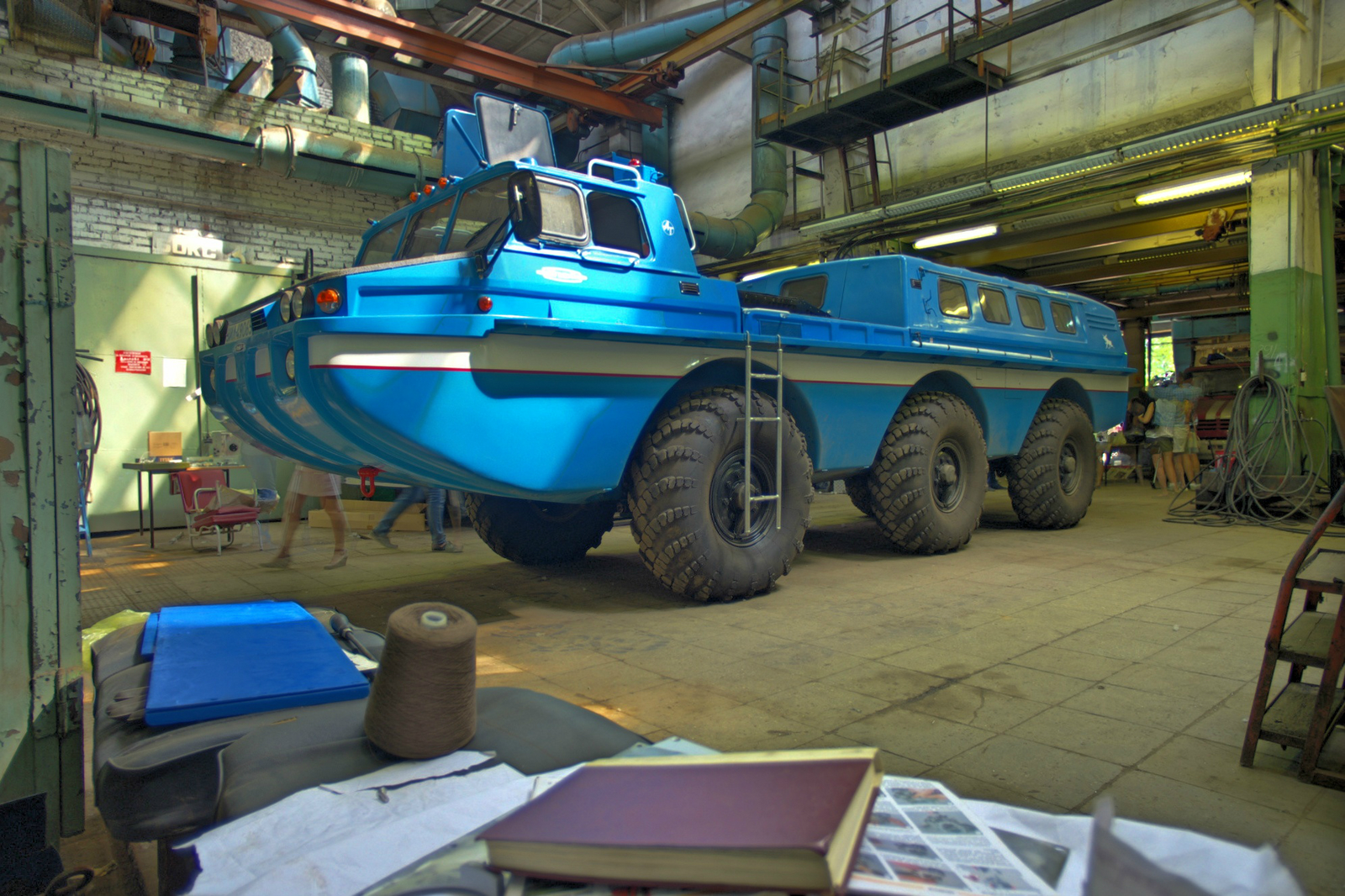
The complex included:
- passenger vehicles;
- cargo modifications;
- equipment with lifting gear;
- specialized machines for specific tasks.
But even among this variety, there was a car that stood out especially strongly.
We are talking about the famous screw-rotor all-terrain vehicle – a machine whose appearance still surprises even people well acquainted with the history of domestic technology.
A screw-driven vehicle that could move through swamps and snow
When the capabilities of ordinary machines reached their limit, the screw-driven vehicle came into play.
The main feature of this equipment was not wheels, but two large rotating screws. They provided movement over surfaces that were considered practically impassable for traditional transport.
From the outside, the operation of the screw-driven vehicle looked very unusual. The machine seemed to glide over loose snow or swampy surfaces, continuing to move confidently forward.
The advantages of this design were obvious:
- high cross-country ability in deep snow;
- ability to move through swampy terrain;
- ability to work where wheeled vehicles quickly got stuck.
The creators of the complex perfectly understood that during a real rescue operation, a situation might arise where it was impossible to reach the desired point by any other means. Therefore, the equipment worked on the principle of several stages: first, the main machines of the complex were used, and in the most difficult conditions, the screw-driven vehicle was connected to the operation.
It was this solution that largely ensured the uniqueness of the entire system.
Autonomy and thoughtful detail
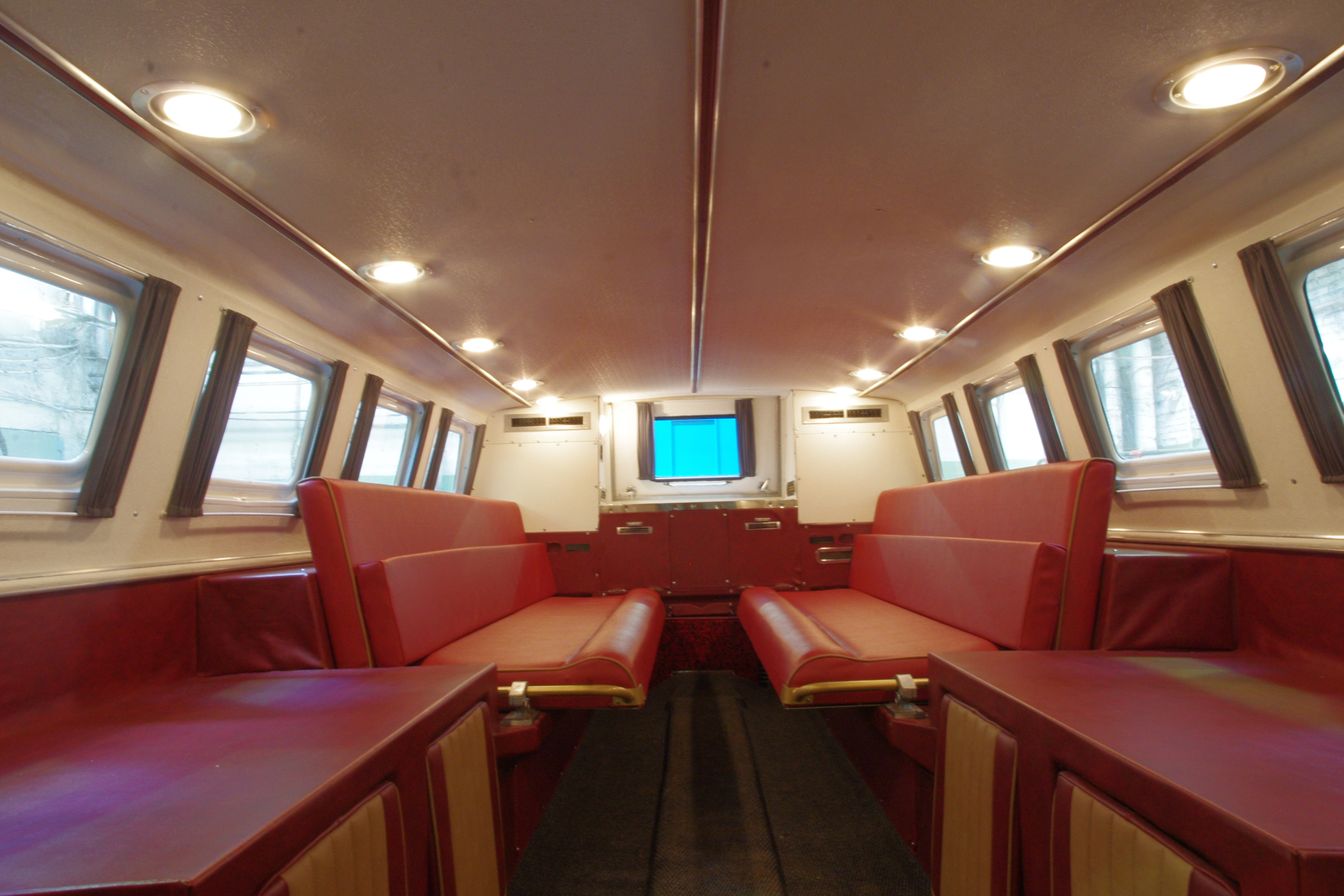
When developing the complex, great attention was paid not only to cross-country ability. Ensuring comfortable and efficient crew work was considered no less important.
The machines were equipped with everything necessary for a long stay away from populated areas. On board were communication means, medical assistance equipment, places for transporting people, and systems ensuring autonomous operation.
In fact, the equipment was a mobile rescue center capable of operating in extremely difficult conditions.
At the same time, reliability was one of the main requirements for the design. The machines were created with a large margin of safety, as equipment failure was unacceptable in real operations.
Even today, some technical solutions look impressive. The complex could:
- overcome water obstacles;
- operate in severe frost conditions;
- confidently move through deep snow;
- perform tasks away from roads and infrastructure.
A characteristic feature of ZIL equipment has always been the desire to combine functionality, maintainability, and durability. The "Blue Bird" became one of the most striking examples of this approach.
Why the complex is still remembered
Modern machines are noticeably different from the equipment of the past. They have become more comfortable, technological, and filled with electronics. Nevertheless, interest in the "Blue Bird" does not disappear.
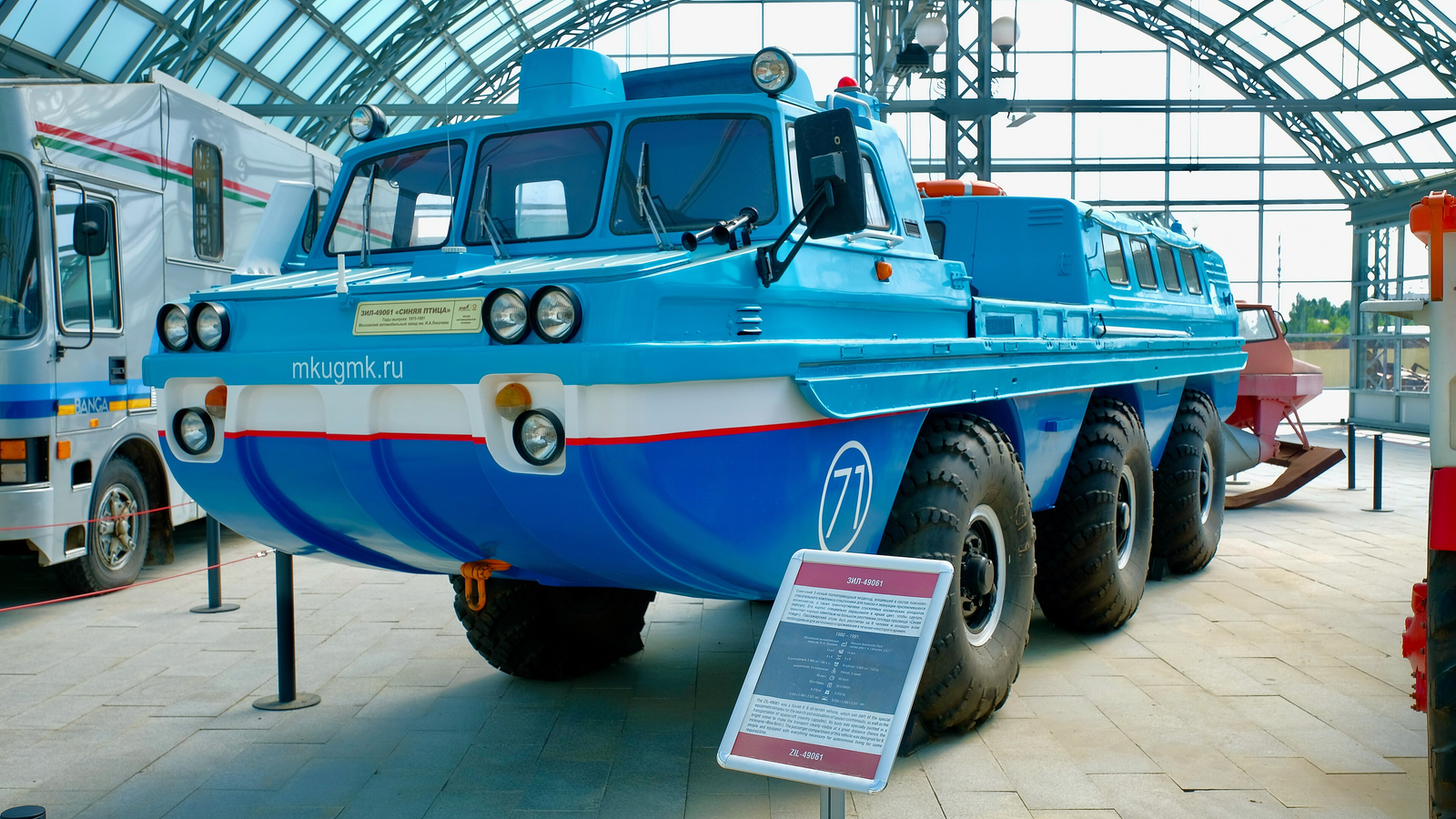
This is largely due to the philosophy of its creation. The complex was designed not as a universal machine for all occasions, but as a tool for solving a specific and extremely complex task. Each element of the design had a practical purpose and was subordinate to the overall goal.
The appearance of the equipment also played a significant role. Even today, photos of the complex instantly attract attention. Huge wheels, unusual body proportions, bright coloring, and the screw-rotor all-terrain vehicle create the impression of a machine from an alternative reality.
However, the main factor remains not the appearance, but the real capabilities. These machines performed important work for many years in conditions where analogous equipment practically did not exist.
That is why the "Blue Bird" is perceived not just as a rare ZIL car, but as one of the brightest legends of Soviet machine building. In this complex, engineering audacity, a practical approach, and the characteristic style of the domestic design school were wonderfully combined.
It is not surprising that even decades later, interest in this equipment does not wane, and the "Blue Bird" itself continues to evoke sincere respect among car enthusiasts and engineering history buffs.
Read more materials:
- 10 facts about Bentley that not everyone knows
- Child in front: what traffic rules allow in 2026
- From GAZ M-20 "Pobeda" to Warszawa: a path spanning decades
Комментарии