By the late 1980s, it became clear that the famous "Volga" GAZ-24, even after modernization to the GAZ-24-10 version, no longer met the requirements of the time. The car was noticeably inferior to more modern models both in terms of appearance and technical solutions. An additional problem was the state of the production base: the body dies had seriously worn out over many years of operation, which sometimes made new cars look as if they had already undergone body repair.
The front part of the car with round FG-140 headlights seemed especially outdated. In the early 1990s, such lighting technology was perceived as a legacy of the past and was mainly found on models that were themselves considered morally obsolete.
When there wasn't enough money for a new model
Developing a completely new car required significant investments, which the Gorky Automobile Plant did not have at that time. Therefore, engineers chose a more realistic path – to carry out a large-scale modernization of the existing design.
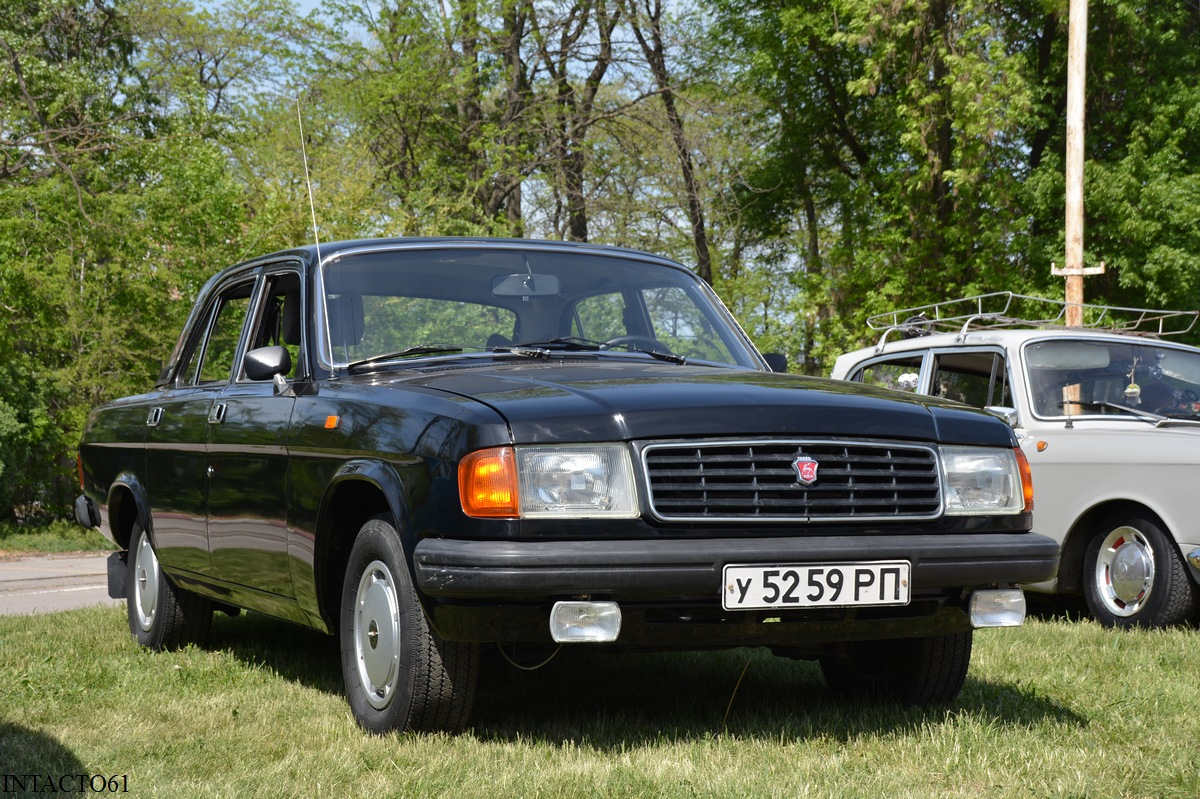
One of the main tasks was to solve the problem of worn-out body tooling. For this, the designers used a ready-made solution: the rear part of the body was borrowed from the GAZ-3102. This model was produced in relatively small series, so its dies were preserved much better.
Thus, the future GAZ-31029 received a characteristic rear end with large taillights stretched almost across the entire width of the rear panel. For the early 1990s, this design looked modern, solid, and even prestigious to a certain extent.
The front of the car was redesigned much more seriously. Instead of angular shapes, smoother lines appeared, corresponding to current design trends. The car acquired new block headlights, a plastic radiator grille, and black bumpers.
Among the main external changes are:
- new rectangular block headlights;
- completely redesigned front end;
- plastic radiator grille;
- modern bumpers for their time;
- rear end from GAZ-3102.
Thanks to these solutions, the car looked significantly fresher than its predecessor and even partly resembled some European sedans of that period.
Where the nickname "oslobyk" came from
It was the exterior of the new model that gave rise to one of the most famous automotive nicknames in the history of the domestic automotive industry.
The problem was that the designers actually combined two different stylistic directions in one car. The more modern and rounded front end coexisted with the massive rear end inherited from the GAZ-3102.
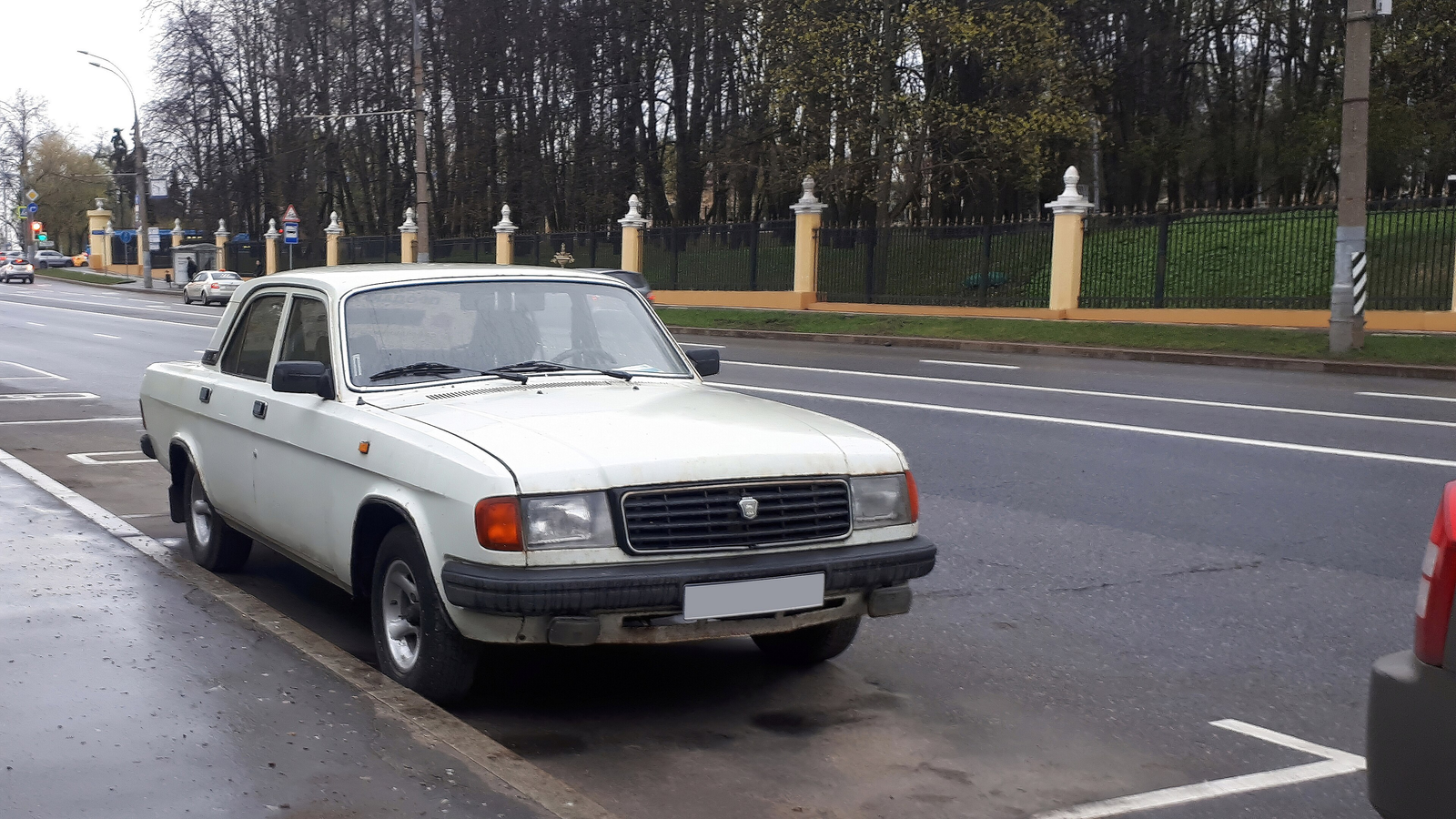
As a result, the car gave the impression of being assembled from two different models. This combination seemed quite unusual to many motorists, and the GAZ-31029 quickly acquired the popular nickname "oslobyk" (donkey-bull).
Despite the mixed reaction, after a short time, the new "Volga" became a common sight on the roads of the early 1990s.
Soviet design in new Russia
Serial production of the GAZ-31029 began in 1992, after the collapse of the USSR. Formally, the car belonged to the new Russian era, but its technical basis remained deeply Soviet.
Under the body were well-known units, whose origin went back to the GAZ-24. In essence, the new model was supposed to solve two problems at once:
- maintain the presence of the "Volga" in the market;
- help the factory survive a difficult economic period.
For the Gorky Automobile Plant, it was a matter not only of development but also of survival.
Why demand was so high
Despite the controversial design and age of the construction, the new "Volga" enjoyed immense popularity.
For many Russians in the early 1990s, this car continued to be a symbol of prosperity and high social status. In addition, the market choice was very limited, and most imported cars remained unaffordable.
The popularity of the model was so high that the enterprise was forced to switch production to a round-the-clock mode.
During this period, the factory worked:
- in three shifts;
- without stopping the conveyor;
- with a constant increase in production volumes.
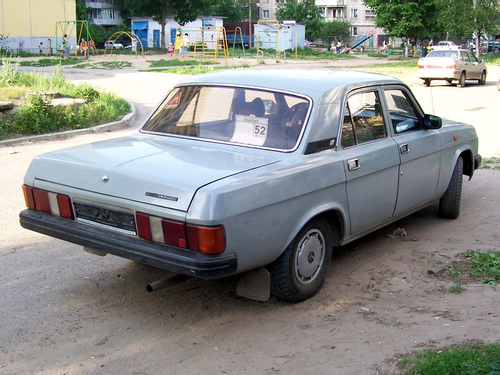
In a few years, production almost doubled, and the GAZ-31029 became one of the most mass-produced models in the history of the "Volga" family.
The price of mass production
However, record demand also had a downside.
The early 1990s were an extremely difficult period for domestic industry. The economic crisis seriously affected the quality of products, and the GAZ-31029 was no exception.
There is evidence that in some periods, bodies did not always undergo full preparation before painting. As a result, corrosion could appear after only a few years of operation.
Problems also manifested in other aspects:
- poor fit of body parts;
- weak paintwork;
- numerous minor assembly defects;
- unstable quality of car manufacturing.
Under conditions of high production load, some operations were indeed performed on the principle of fastest possible assembly, which inevitably affected the durability and reliability of the cars.
That is why the GAZ-31029 acquired a very controversial reputation. On the one hand, the car became a record holder in terms of production volumes, and on the other hand, it significantly worsened the perception of the "Volga" brand among some buyers.
Symbol of a turning point
Today, the GAZ-31029 is perceived primarily as a reflection of its era. This car was on the border of two historical periods: created by Soviet specialists, but produced already in the conditions of the new Russian economy.
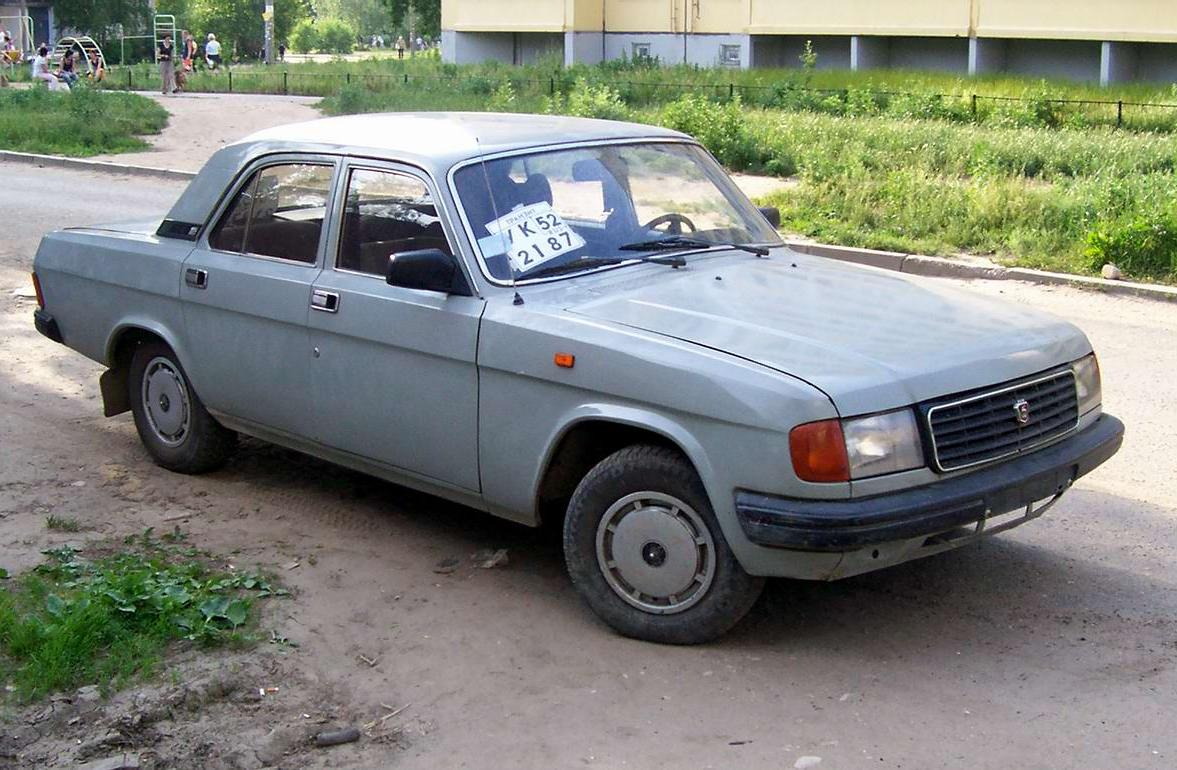
The model allowed the Gorky Automobile Plant to maintain production and survive difficult times. At the same time, compromise design solutions and reduced assembly quality seriously affected the brand's reputation.
That is why the attitude towards the "oslobyk" remains ambiguous even decades later. For some, it is an example of an unsuccessful attempt to prolong the life of an outdated design, for others – one of the most recognizable cars of the 1990s, without which it is impossible to imagine the domestic roads of that time.
However this model is evaluated today, its place in the history of the Russian automotive industry has long been determined. The GAZ-31029 became not just another modification of the "Volga", but a true symbol of the transitional era, with all its achievements, compromises, and problems.
Read more materials:
- Child in front: what traffic rules allow in 2026
- From GAZ M-20 "Pobeda" to Warszawa: a path spanning decades
- How Mercedes-Benz invented its class system
Комментарии