When buying a new car, most owners think not only about operating costs but also about its future value. Sooner or later, almost any car has to be sold, so liquidity remains one of the key selection factors. In the case of electric vehicles, this issue causes a lot of debate. Some are sure that such cars rapidly lose value, while others consider these fears exaggerated. The real situation, as usual, is somewhere in the middle.
The value of an electric car in the secondary market does indeed decrease faster than that of a car with an internal combustion engine. However, the scale of this difference is far from as dramatic as is often claimed. Moreover, much depends on the specific model, brand, and even the country where the car is sold.
There is a difference, but it is significantly smaller than commonly believed
According to data from the German analytical company DAT, after three years of operation, a gasoline car retains, on average, about 58% of its original value.
For electric vehicles, this figure is approximately 51–52%.
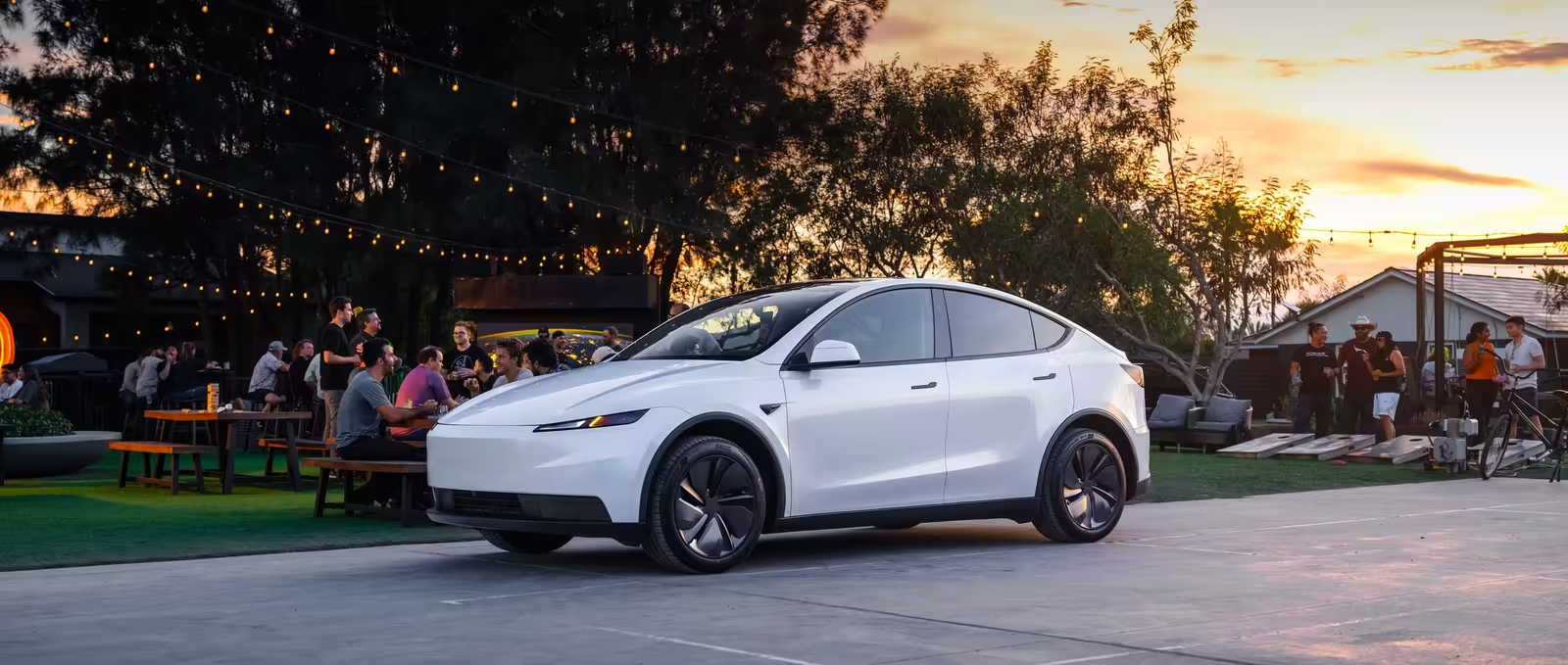
The difference exists, but it is significantly smaller than commonly believed. In addition, the most noticeable depreciation occurs in the first one to two years of operation. After that, the rate of depreciation gradually decreases.
As new generations of electric vehicles emerge, this gap continues to narrow, as the technologies themselves become more mature, and buyers increasingly perceive electric transport as less of an experiment.
Why electric cars depreciate faster
The traction battery is most often cited as the reason.
Indeed, concerns about its lifespan affect the market, but this is far from the main factor.
The following factors have a much greater impact on the value of a used electric car:
- rapid technological progress;
- changes in prices for new cars;
- the volume of the secondary market;
- the speed of new model introductions.
Each new generation of electric vehicles gets more efficient batteries, increased range, and faster charging speeds. As a result, even relatively new cars begin to be perceived as less modern.
Price wars between manufacturers also have an additional impact. If the cost of new cars decreases, the secondary market is also forced to adjust prices.
This factor has had a significantly greater impact on the cost of electric vehicles in recent years than the battery life itself.
Even within the same brand, results can vary greatly
The European market shows that there is no universal rule here.
Some manufacturers retain more than half of the car's original value after three years, while others lose significantly more.
Another interesting observation is that even within the same brand, the value of different models can decrease in completely different ways.
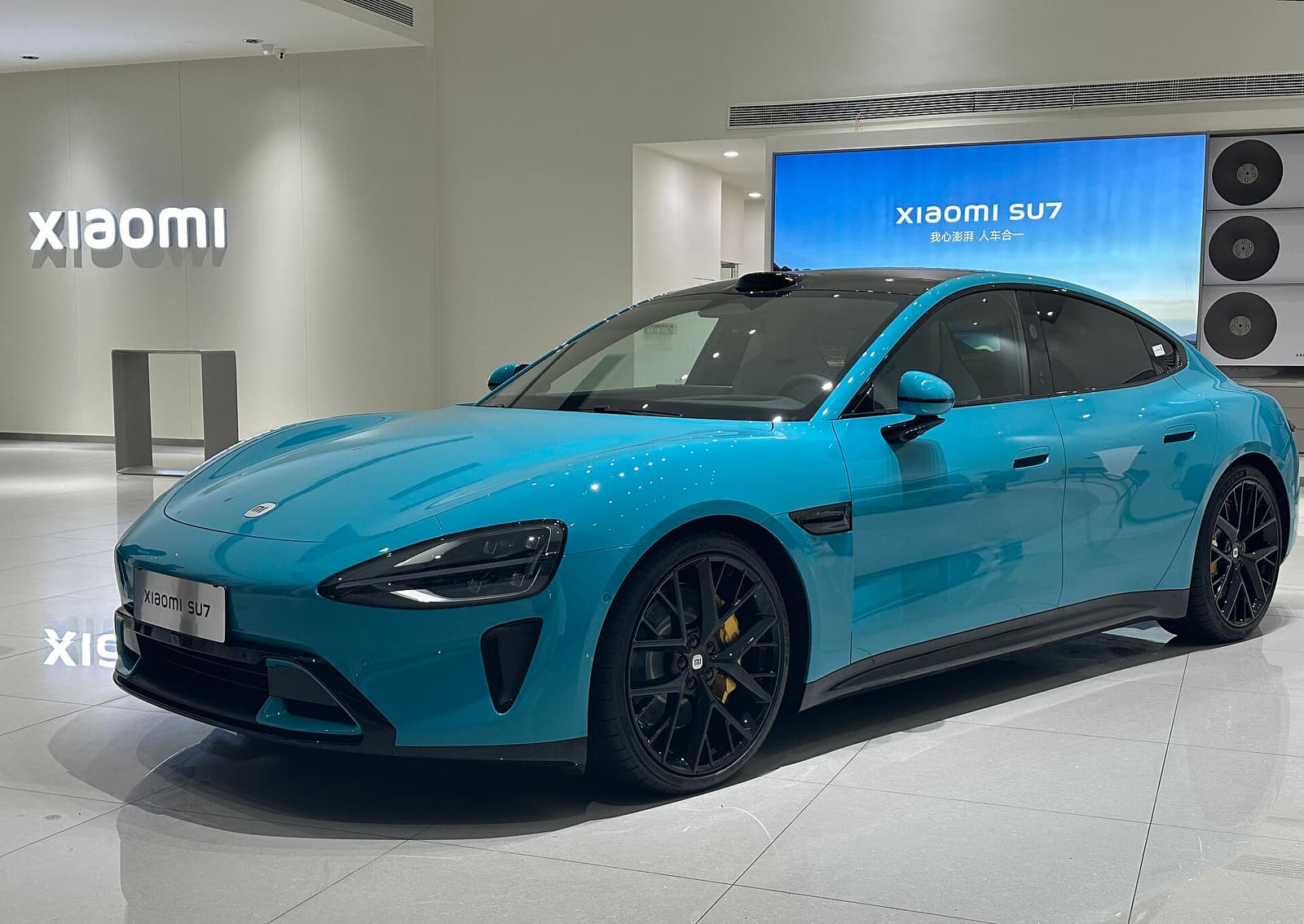
The difference between them sometimes reaches 15–20 percentage points, despite the similar car class, close cost, and same age.
This once again shows that when assessing residual value, one cannot rely solely on the type of powertrain.
The Russian market lives by its own rules
In Russia, the situation differs significantly from Europe.
The secondary market has already formed its own leaders and outsiders.
For example, one of the mass-produced Japanese electric vehicles has maintained high liquidity for many years and remains one of the most sought-after used models.
At the same time, some expensive Chinese electric vehicles can lose almost half of their original value in just two years of operation. In some cases, the price reduction is already measured in millions of rubles.
This suggests that the origin of the car and brand recognition today have no less impact on residual value than technical characteristics.
What this means for the future owner
Today, several quite obvious conclusions can already be drawn.
When choosing an electric car, it is worth considering not only the purchase price but also the prospects for its subsequent resale.
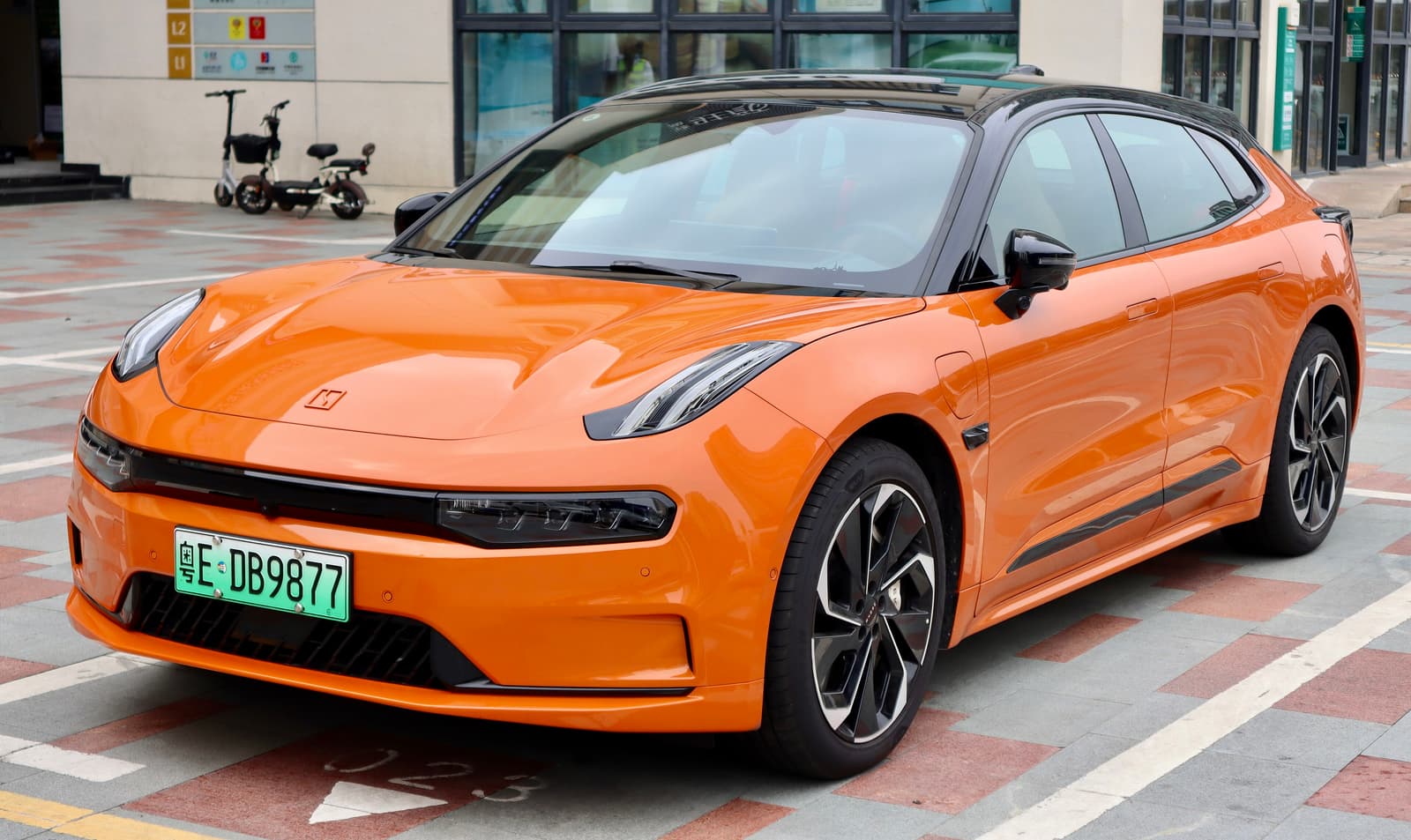
Particular attention should be paid to:
- brand reputation;
- the speed of model range updates;
- the situation with prices for new cars;
- the demand for the model in the secondary market.
These factors often turn out to be significantly more important than common fears about battery life.
Electric vehicles do indeed depreciate faster than cars with internal combustion engines, but it is no longer possible to speak of a fundamental difference. As technology develops and the market grows, this gap is gradually narrowing.
At the same time, the residual value of a particular car is increasingly determined not by the type of powertrain, but by a combination of many factors – brand popularity, market situation, the speed of model updates, and the specifics of a particular country. That is why the question of how much an electric car will cost in three or five years can no longer be reduced to a simple comparison with gasoline analogues.
Read more materials:
- Why Alfa Romeo never became the second BMW
- Magna Torrero Badlander: coupe, pickup, and camper in one car
- VAZ-2116 "Silhouette": a sedan that could have changed AvtoVAZ