Two decades ago, the idea of a crossover from a supercar manufacturer seemed impossible. However, today almost all major brands – from Porsche and Lamborghini to Ferrari – have such vehicles. A natural question arises: could companies really not survive without them?
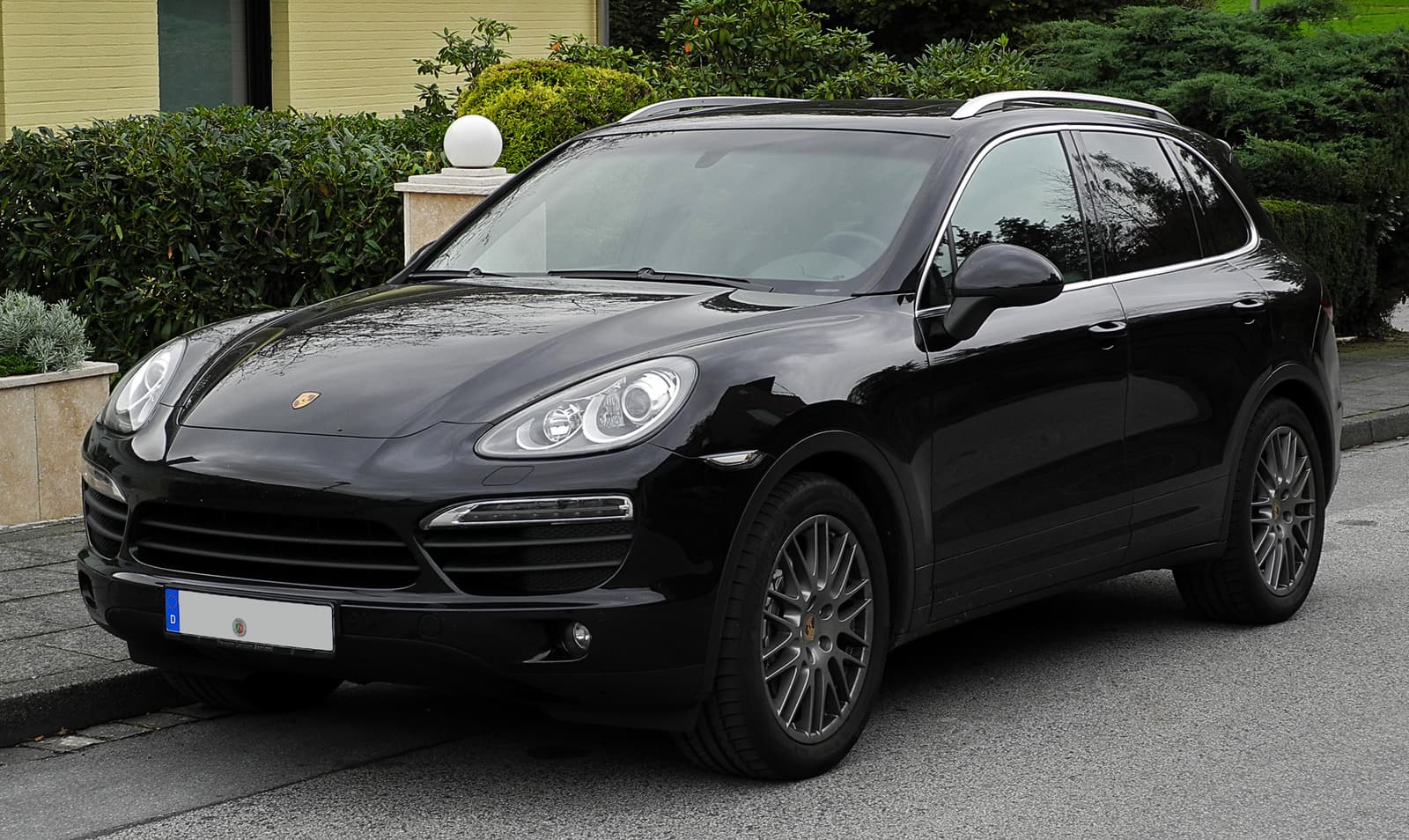
The Porsche Cayenne, introduced in the early 2000s, is considered the starting point. At the time, the company's decision drew a lot of criticism from brand enthusiasts. However, it was the high demand for the Cayenne that provided Porsche with a stable cash flow and allowed it to invest in the development of new sports models.
Later, Lamborghini adopted a similar strategy by releasing the Urus, followed by Ferrari, which introduced the Purosangue. Despite different positioning approaches, all these vehicles significantly expanded the brands' audience and provided them with additional revenue streams.
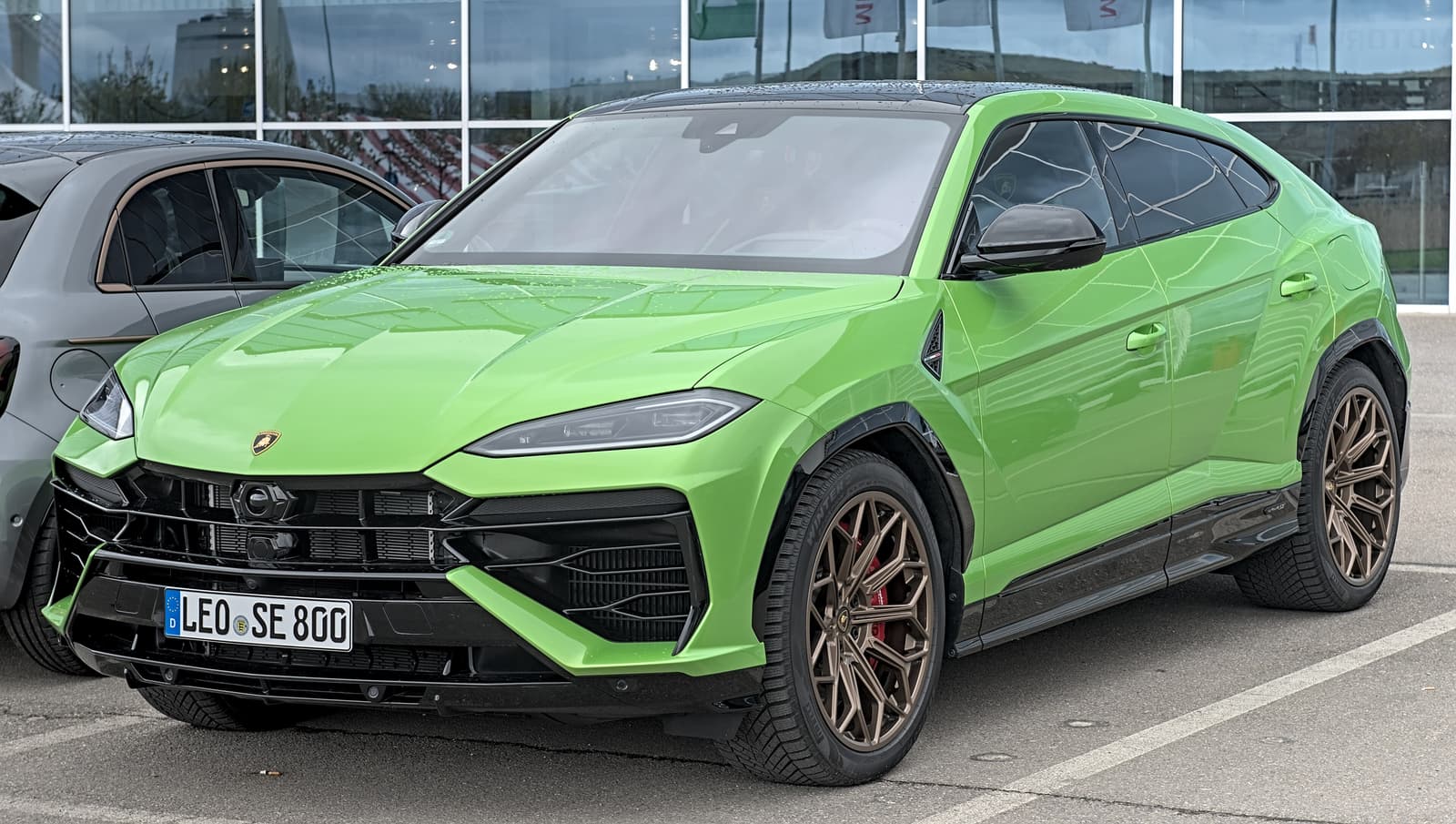
Experts note that not every sports crossover can be considered purely a commercial project. Some manufacturers genuinely aim to maximize sales volumes, while others try to maintain the signature handling, dynamics, and character even in vehicles with a completely different body architecture.
This approach allows for the financing of niche models that cannot generate the necessary profit on their own. As a result, crossovers become a kind of "donors" for traditional sports cars.
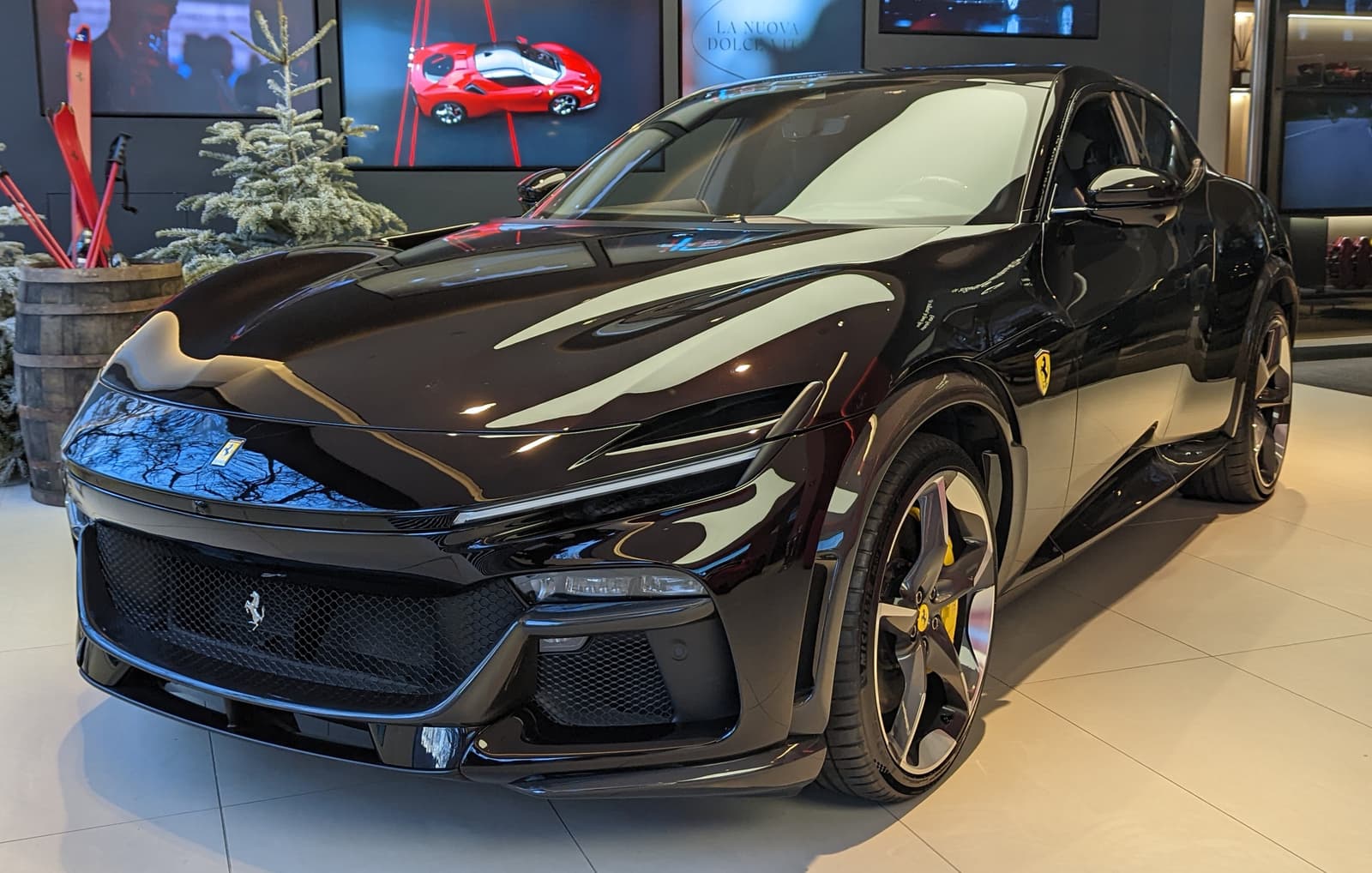
At the same time, demand for this segment continues to grow. In many countries, crossovers remain the most popular type of passenger car, so even supercar manufacturers are forced to consider customer preferences.
The history of recent years shows that the production of such models is no longer an exception. For most premium sports brands, it has become an important part of their long-term development strategy.
Read more articles:
- To remove EGR or not: debunking myths
- Euro-2 vs. Euro-5: what's the difference for the engine
- What happens to electric car prices after three years