The announcement of the Renault Logan in 1998 sparked genuine interest in the automotive world. Renault aimed to create a full-fledged passenger sedan costing just 5,000 euros. Ultimately, the French failed to meet this sum, but they achieved their main goal: they created a modern, well-built, and affordable car that quickly gained popularity in various countries.
For Russia, the Logan proved to be a particularly significant model. For many Russians, it was the first new foreign car they could afford instead of a domestic vehicle. Production began in Romania at the Dacia factory. Later, assembly started in several countries:
- Russia — at the Avtoframos enterprise;
- Morocco — Somaca;
- Colombia — Sofasa;
- Brazil — Renault do Brasil;
- India — Mahindra;
- Iran — SAIPA;
- Argentina — Renault Argentina.
The "Impossible Car" for 5,000 Euros
The project itself within Renault was named Voiture impossible, meaning "Impossible Car." Its initiator was the former head of Renault, Louis Schweitzer. During his trips to developed countries, he came up with the idea of creating a reliable five-seater "people's car" that would be adapted to less favorable local operating conditions.
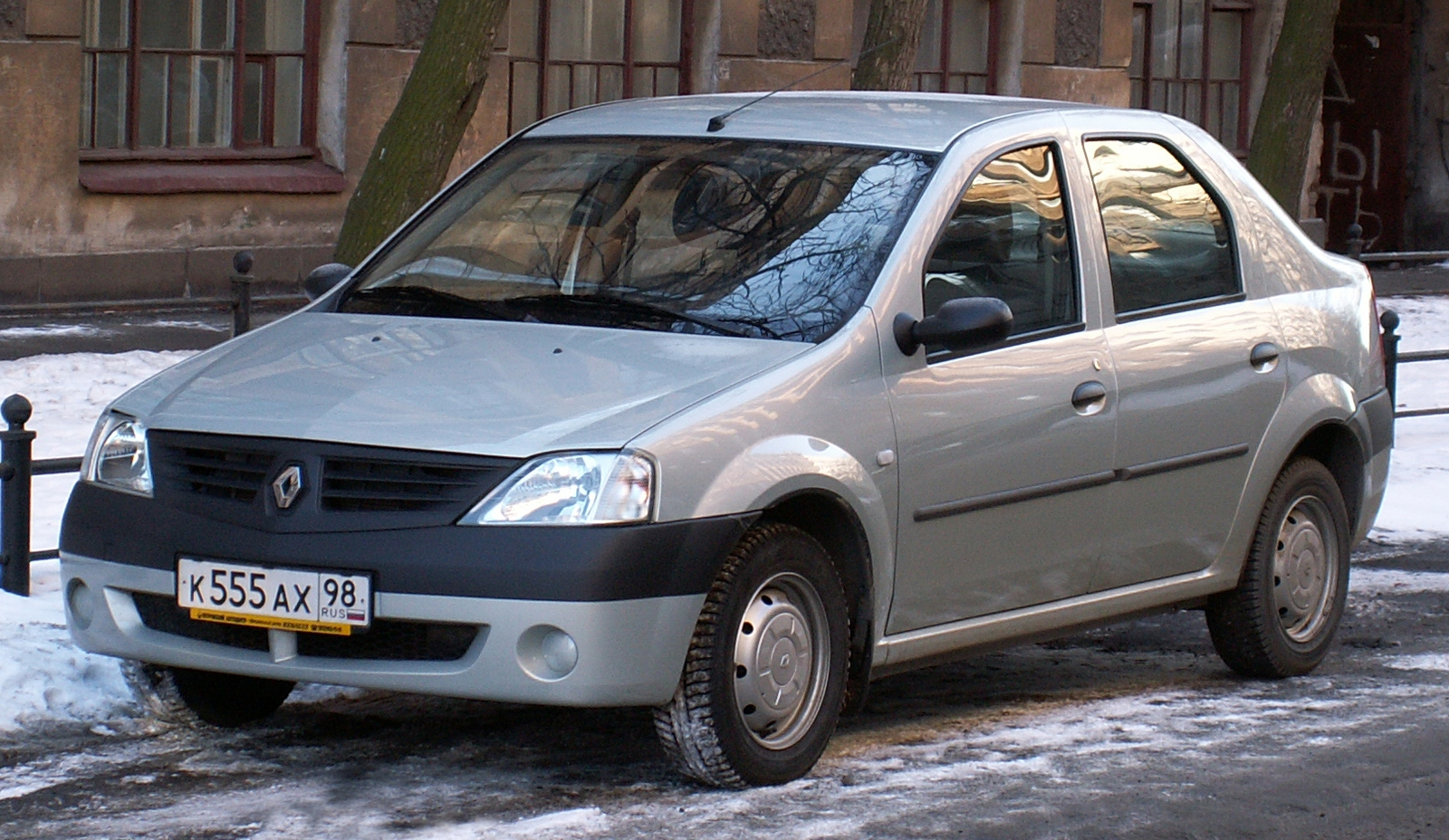
Essentially, the concept resembled a modern reinterpretation of the Renault 4CV — a simple car for the masses, but based on current components. The target price was set at 5,000 euros. For those years, this was an extremely small amount, so engineers had to find ways to save money in almost all areas during development.
Computer Instead of Expensive Prototypes
One of the main ways to reduce costs was computer-aided design. The Logan was developed using digital design methods, without resorting to the creation of mock-ups and prototypes. This solution alone saved 20 million euros.
Another source of savings was the widespread use of existing production components. Instead of developing all units from scratch, Renault used parts that were already used in other models of the brand. The Logan featured:
- McPherson front suspension and braking system from the Renault Clio;
- rear torsion beam from the Renault Modus;
- rack-and-pinion steering from the Renault Symbol.
The powertrains were also not complex. Two proven engines were chosen for the car:
- 1.4-liter K7J with 75 hp;
- 1.6-liter K7M with 90 hp.
Both engines received an eight-valve aluminum cylinder head, a single overhead camshaft, a simple valve drive via rocker arms, a cast iron cylinder block, pent-roof combustion chambers, and multi-point fuel injection.
The gearbox was also not specially developed for the Logan. The only option was a five-speed manual gearbox from the Renault Megane. From it, torque was transmitted to the front wheels. This simplicity largely determined the car's character. The design lacked complex suspensions, advanced electronics, or an automatic transmission. Solutions that had already stood the test of time were used.
Savings Even Reached the Design
Cost reduction also affected the car's appearance. The Logan's design was developed by Benoît Jacob — the author of the Renault Vel Satis and Espace. For the new model, he chose extremely simple, rectilinear forms. Such a body can indeed hardly be called expressive, but it was this conciseness that helped Renault reduce production costs.
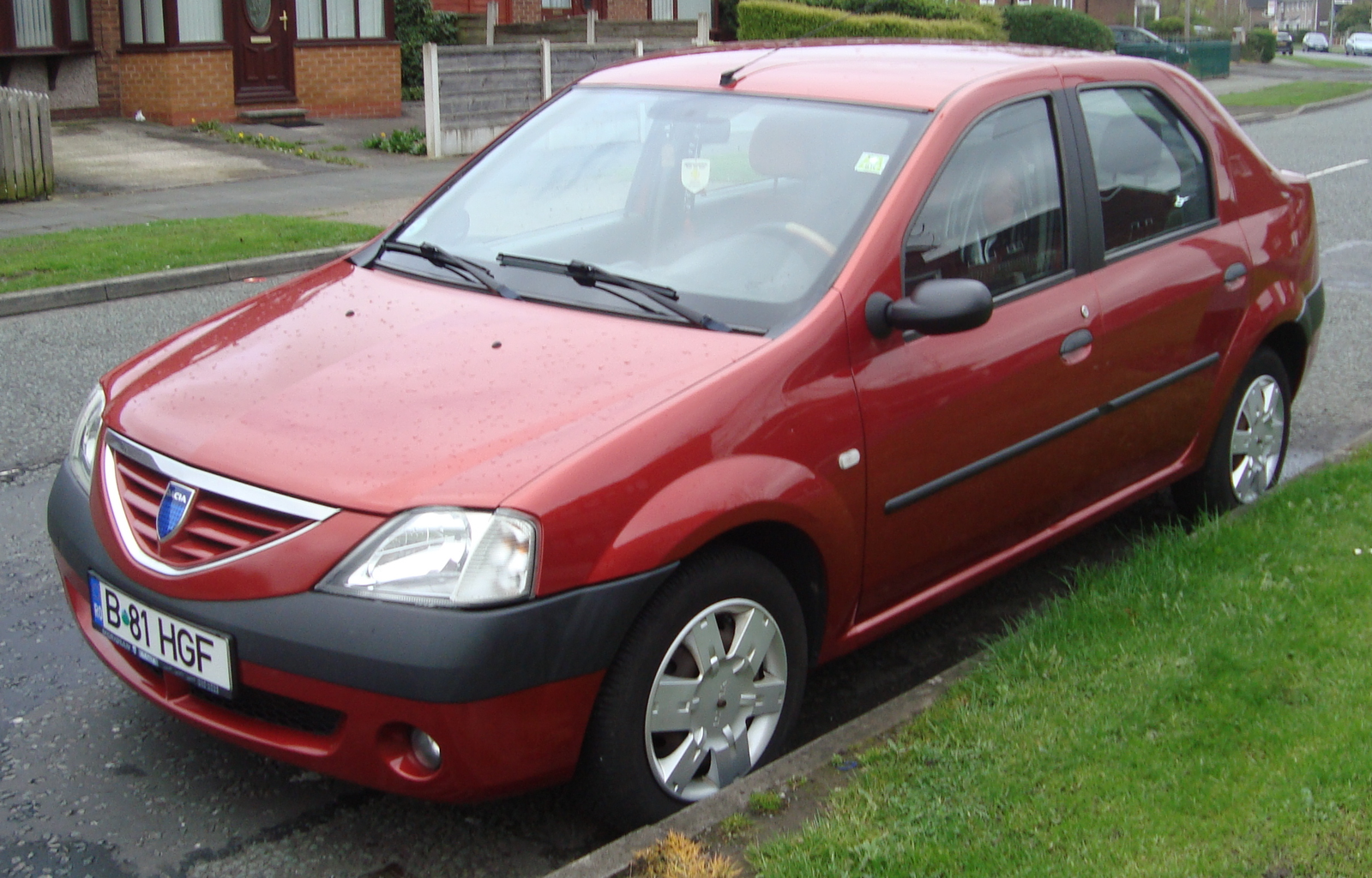
The simple geometry of the body elements allowed for savings in panel manufacturing and quality requirements for rolled metal. A similar approach was applied to other details.
The design used:
- side windows with minimal curvature;
- identical door handles;
- symmetrical moldings;
- identical fog lights.
Even the interior was created with the same principle. In the basic version, the buyer received a simple plastic dashboard with a recess instead of a glove compartment, small door handles, a non-adjustable steering column, seat belts without pre-tensioners, and a steering wheel without an airbag.
The external and internal simplicity, however, did not mean a lack of space. Thanks to the high roof and increased wheelbase, the Logan turned out to be unexpectedly spacious. The trunk volume reached 510 liters.
Logan Arrives in Russia
The Avtoframos site in Moscow began operations in May 1999. Initially, the enterprise was engaged in the screwdriver assembly of the Renault Megane. A year later, the factory began assembling the Renault Clio Symbol. And in April 2005, the first Logan rolled off the modernized enterprise.
At the initial stage, the localization level was 20%. This included body welding and painting. Meanwhile, the global debut of the first-generation Renault Logan took place in June 2004. Russian production started in April 2005 at Moscow's Avtoframos.
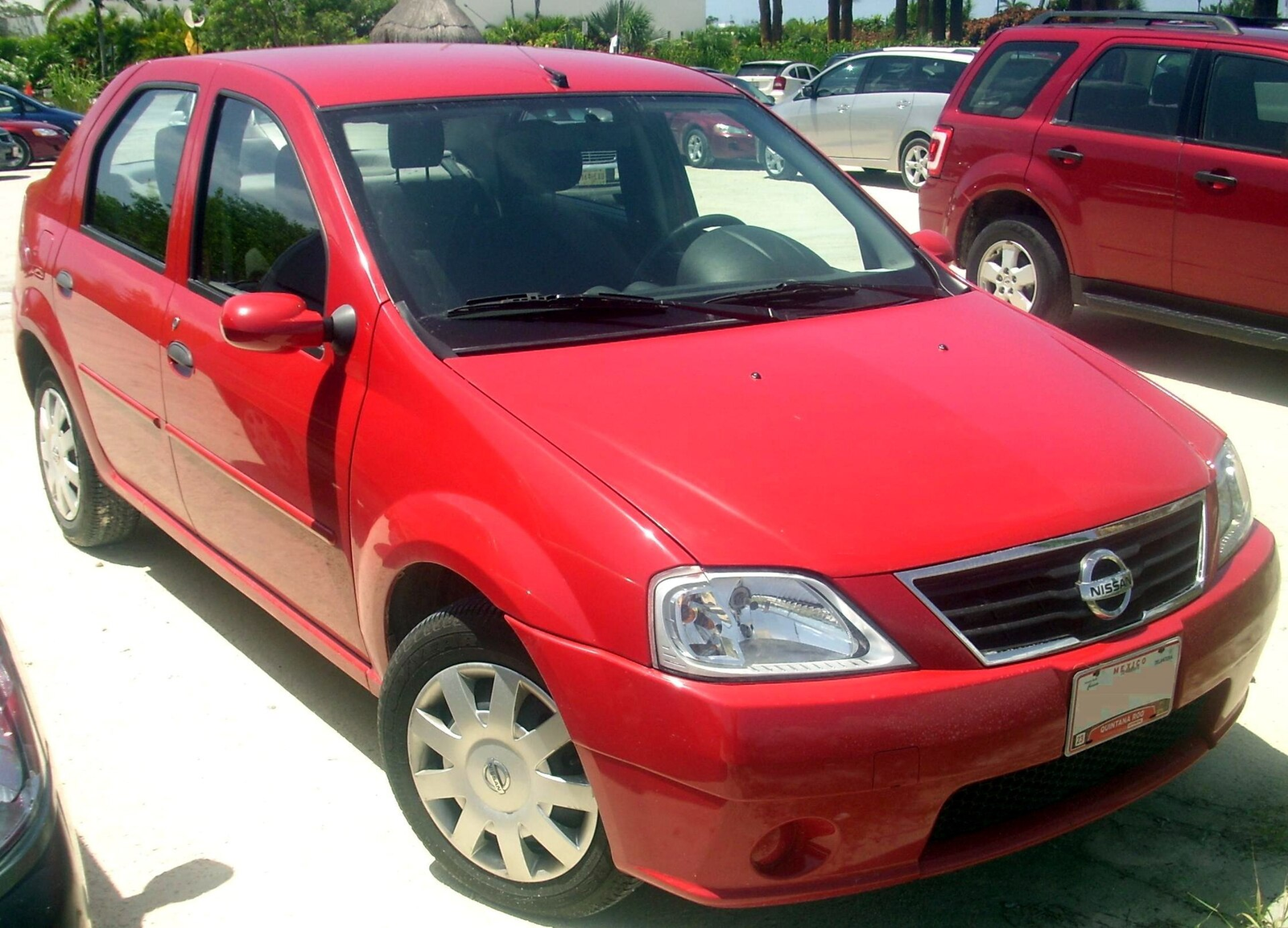
The declared 5,000 euros could not be maintained. The basic Logan, without airbags and ABS, cost 250,000 rubles, which corresponded to 7,300 euros. In the most expensive version, a car with a 1.6-liter engine, power steering, two airbags, air conditioning, and ABS was already priced at 385,000 rubles.
Despite the higher real price, buyers received the model well. Demand was stable and continued to grow. In 2007, the annual output of Logan reached 68,000 cars. And two years later, the model became the most popular foreign car in Russia.
From Russia to Latin America
The success of the Logan was not limited to the Russian market. The project also proved popular in Romania, India, Turkey, Iran, Latin American countries, and even in Western Europe, where the car was sold under the Dacia Logan brand. In Russia alone, 600,000 Logans were produced from 2005 to 2014.
Global figures were even more impressive: the production run of the first generation exceeded 1.6 million units. What initially seemed almost impossible came true: Renault could not create a car for the declared 5,000 euros, but managed to make the car truly mass-produced.
Why the Simple Logan Was Successful
The history of the Logan is largely built around several solutions that allowed for cost reduction without sacrificing basic practicality:
- application of already mastered production components;
- computer-aided design without creating mock-ups and prototypes;
- simple engine and transmission design;
- maximally concise body;
- rejection of complex and expensive technical solutions;
- use of a single manual gearbox.
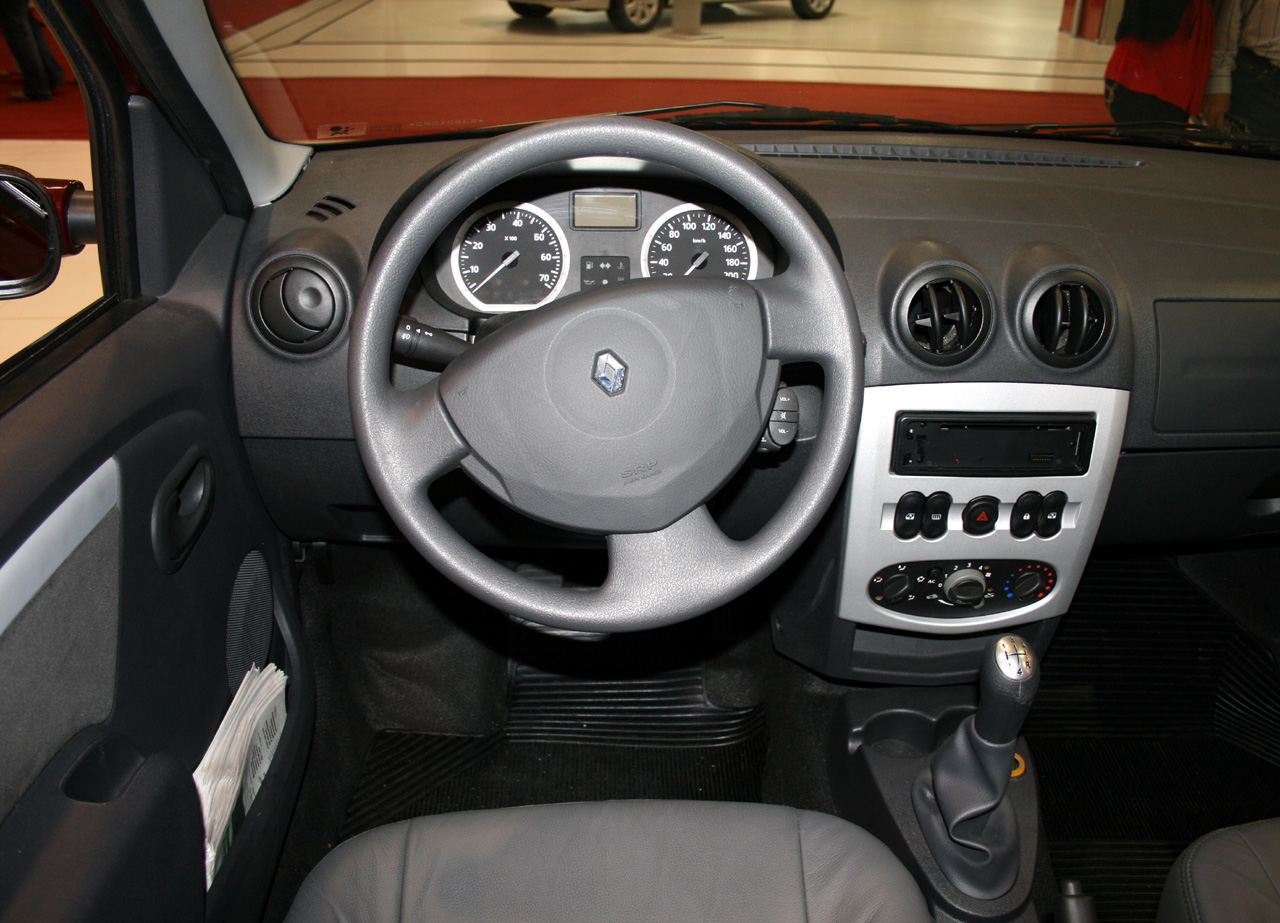
As a result, Renault got a car that was far from luxurious, but met the main requirement of the project — it remained affordable, spacious, and suitable for everyday use. For the Russian market, the significance of the Logan was particularly great. It became one of those models thanks to which a new foreign car ceased to be an unattainable dream for the mass buyer.
In 2012, the first generation was replaced by the second-generation Renault Logan, which also achieved widespread success. But the story of the first Logan remains special: conceived as an "impossible" car, it eventually became one of the most mass-produced models of Renault and Dacia.
Read more materials:
- Car sound insulation: what the owner actually pays for
- How cars abandoned square bodies
- Does parking a car with two wheels on the curb harm it?