A scandal is brewing in Moscow over the mysterious disappearance of a batch of new Lixiang and Zeekr electric vehicles. According to Quto, four car carriers with 28 crossovers arrived in the capital empty, although it had previously been confirmed that the cars had been sent to Russia.
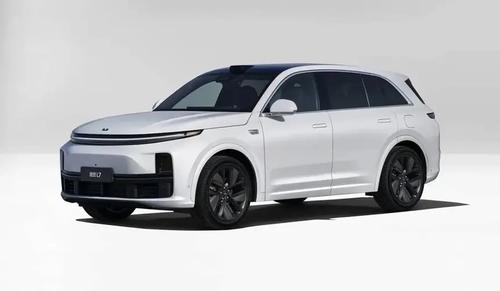
As it turned out, the car carrier drivers allegedly received calls with instructions to unload the cars at a different site than previously agreed. After that, neither the cars nor the "new recipient" were seen by anyone.
Buyers who placed orders for these cars are in limbo: according to them, they received messages from the drivers that the crossovers had been issued, but did not provide specific addresses or transfer documents. Apparently, this is not just a logistical error, but a possible theft scheme. The potential damage may exceed $1.5 million, considering the cost of each car is on average about $55,000.
The case may be part of a general alarming statistic: according to analysts, in the first half of this year, 28% of all car thefts in Russia occurred in Moscow, and most often the attackers hunted for corporate transport.
Read also:
Dream of Soviet boys: pedal "Moskvich" put up for sale in Barnaul
"Moskvich-412" in the state of "time capsule" appeared for sale in Russia
Unusual Russian supercar CN3500 photographed: the engine produces 350 hp
Комментарии