Exeed has revealed how the Russian version of the Exlantix ES hybrid sedan differs from the original Chinese modification. The model has been adapted to local climatic conditions and customer preferences, with changes made to the exterior design, interior, and technical equipment.
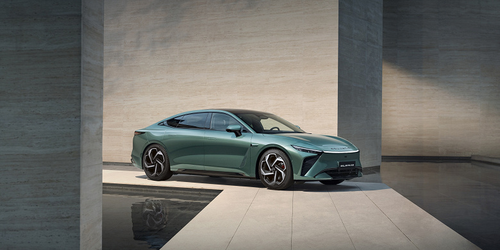
The Russian version of the Exlantix ES features an Alcantara-trimmed ceiling, extended seat cushions, and no chrome on the body. For winter operation, reinforced battery heating pumps have been installed, and additional buttons have been added to the steering wheel for convenient function control.
As in the base version, the sedan is equipped with two electric motors with a capacity of 469 hp, accelerates to 100 km/h in 4.6 seconds, and has a 40 kWh battery with a range of 180 km on electric power and a total range of up to 1231 km.
The first 1000 buyers will receive a bonus package including a wall-mounted charging station and an external device connection system, making the offer even more attractive to Russian car enthusiasts.
The car's cost starts from 6 million rubles.
Read more related articles:
Will KAMAZ remain without competitors? DONGFENG, FOTON, FAW and SITRAK suspend sales in Russia
Go left - get a fine? We figure out whether you can pay in rubles for driving in the left lane
Комментарии