Chinese cars with the least corrosion-resistant body have been identified on the Russian market. Among the models with an increased risk of rust are the GAC GS4 and Jetta VS7 crossovers. This was reported to Motor magazine by Evgeny Zhitnukhin, Chief Operating Officer of the Fresh automotive marketplace.
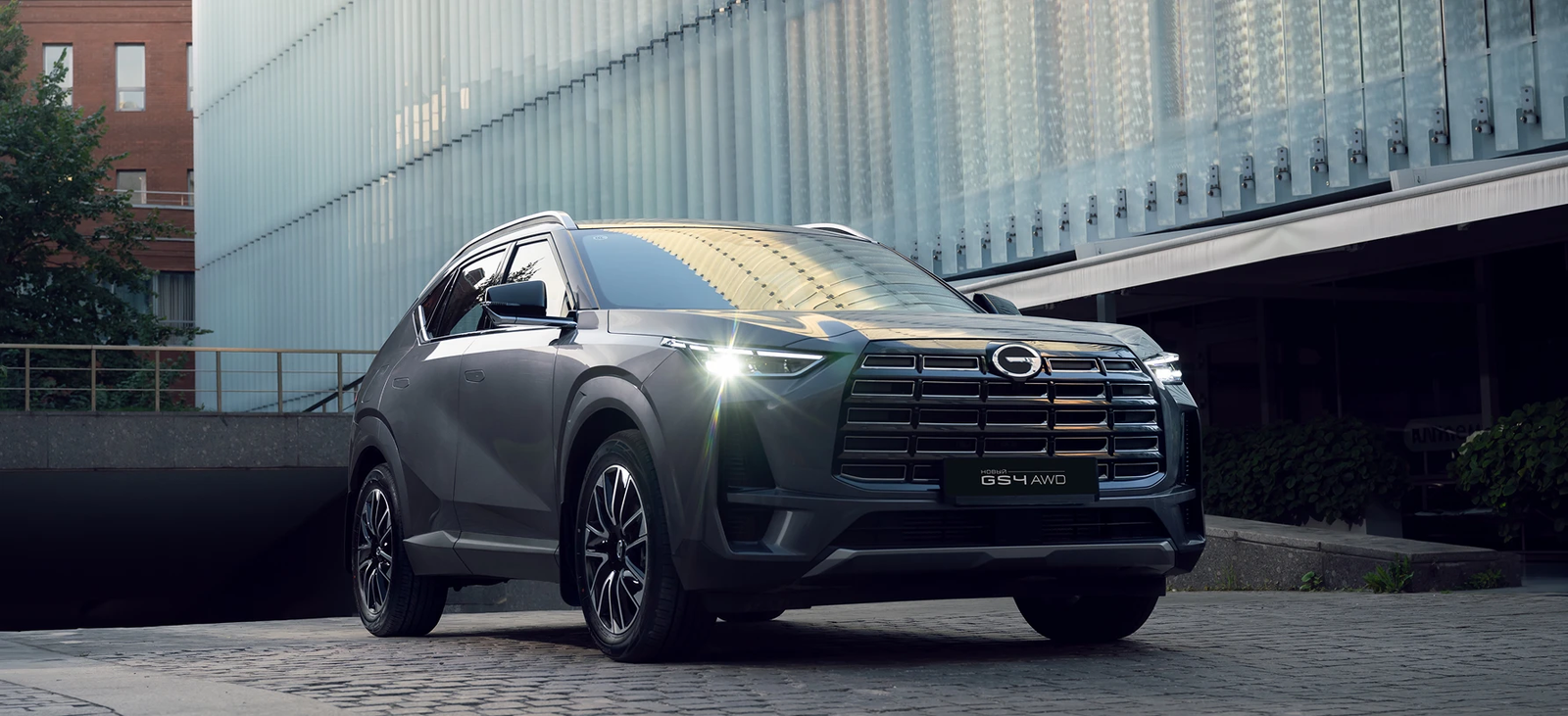
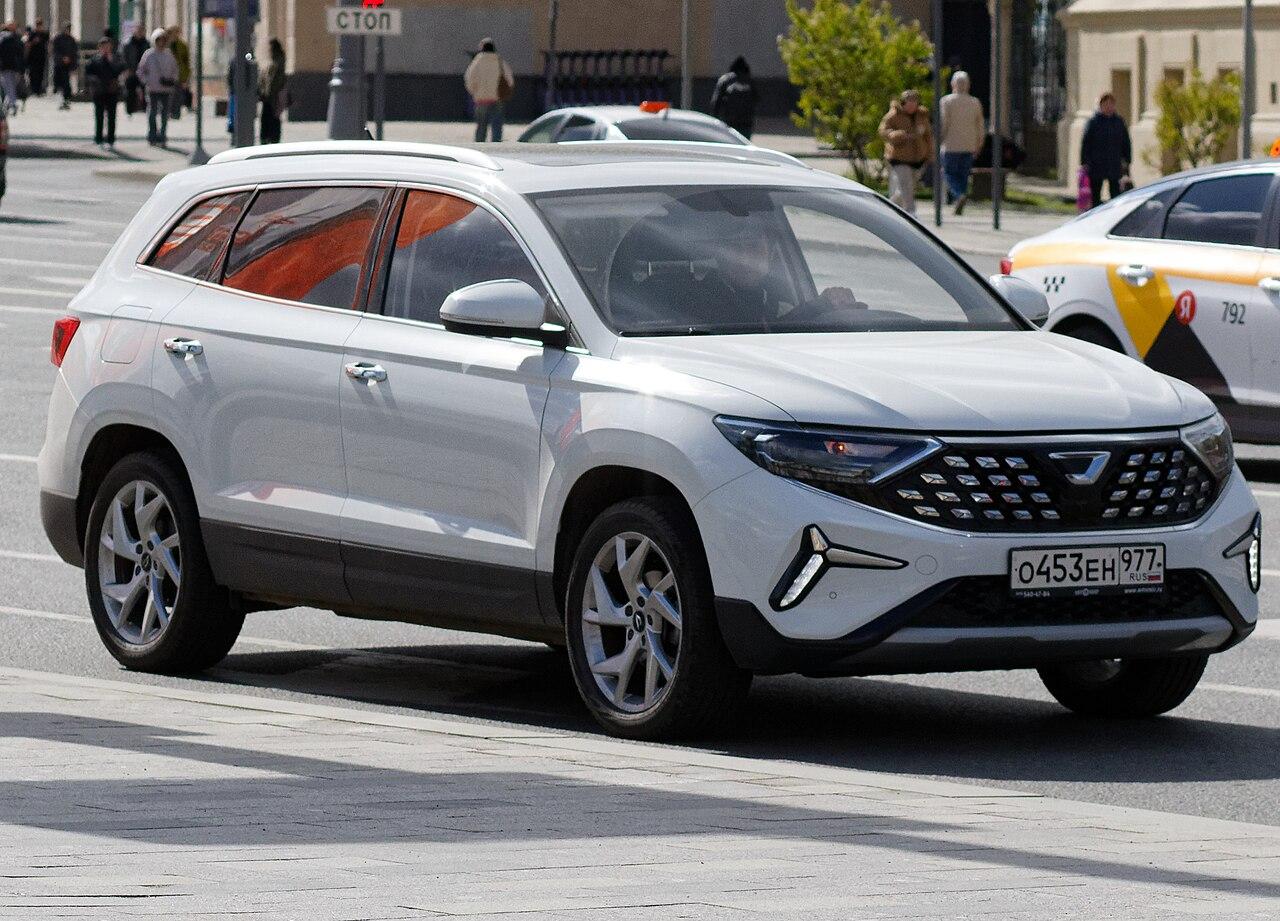
According to him, the GAC GS4 showed the worst anti-corrosion protection performance. The manufacturer did not apply a full zinc coating to the body, which causes the metal to break down faster under the influence of moisture, reagents, and temperature changes. The Jetta VS7 had some elements galvanized, but a significant portion of the body remained without additional protection.
The expert noted that owners of such cars should regularly carry out anti-corrosion treatment. Without additional protection, the body's resistance to an aggressive environment is noticeably reduced, especially when operating in regions with active use of road chemicals.
Zhitnukhin also included Lixiang, Lifan, and Dongfeng among the brands with similarly low corrosion resistance. In most cases, their models do not have full factory galvanization, which increases the risk of rust appearing in the first years of operation.
The specialist explained that the problem manifests itself in different ways. In some cars, the paintwork deteriorates faster, accelerating corrosion. Others have insufficient protection for the underbody, sills, and wheel arches — the most vulnerable elements of the body.
At the same time, the expert emphasized that leading Chinese manufacturers are gradually improving protection technologies. New models from Tank, Great Wall, Haval, Geely, FAW, Omoda, Changan, Exeed, and Chery demonstrate a higher level of anti-corrosion treatment and better adaptation to Russian conditions.
Read more on the topic:
- Chinese cars failed the Russian winter test
- Auto expert warned Russians about the dangers of old Chinese cars
- These Chinese crossovers held the market in 2025: models, prices and real sales
Комментарии