The automotive industry is rapidly transforming semi-autonomous driving from an expensive option into a mandatory technological standard. But Toyota and Lexus have unexpectedly started losing this race. As Carscoops notes, the brands still lack a full-fledged competitor to systems like GM Super Cruise or Ford BlueCruise, which allow for extended hands-free driving.
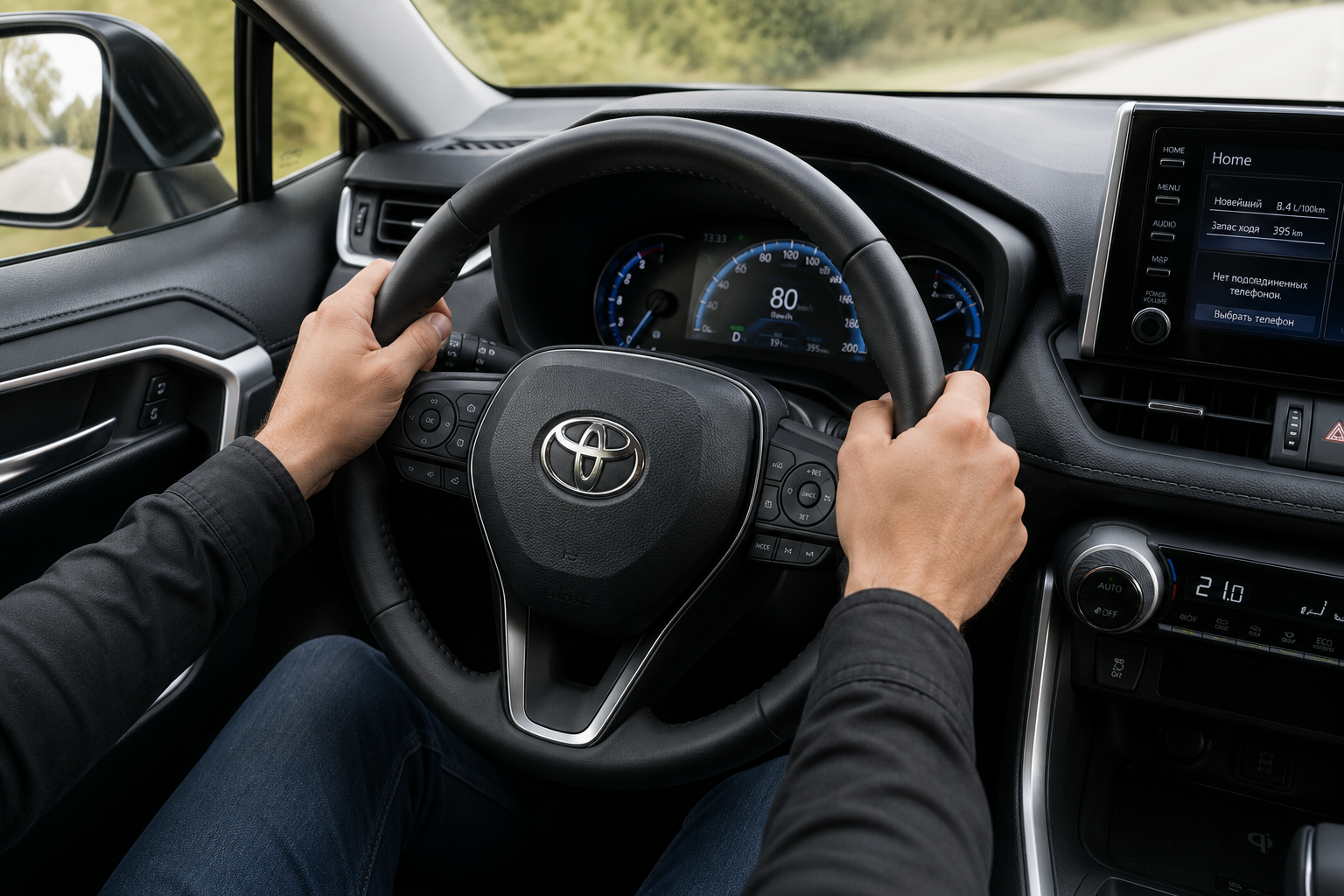
A few years ago, Toyota actively promoted the Teammate Advanced Drive system. It debuted on the Lexus LS and Toyota Mirai for the Japanese market and supported automatic lane keeping, lane changes, and traffic jam assistance. However, the technology has virtually not received further development, and it is almost never found on the brand's mass-market models.
Against this backdrop, competitors have moved far ahead. GM states that owners of vehicles with Super Cruise have already driven over 200 million miles in hands-free mode. The system operates on hundreds of thousands of kilometers of roads in North America and is gradually gaining more complex automatic maneuvering functions.
New players are acting even more aggressively. Rivian is preparing an Autonomy+ subscription with hands-free driving on over 3.5 million miles of roads in the US and Canada. Tesla continues to develop FSD, and Mercedes is already testing Level 3 autonomous systems, where responsibility partially shifts to the vehicle.
Paradoxically, Toyota is considered one of the world leaders in reliability and mass adoption of safety technologies. However, in the field of autonomous driving, the company acts noticeably more cautiously than its competitors. The reason may lie in the brand's approach: Toyota traditionally avoids functions that could create legal risks or cause a false sense of complete autonomy.
Read more articles:
- Formula 1 prepares for the return of V8 engines: simpler, lighter, and cheaper – but not without a hybrid
- Abandoning "battery-only"? Auto giants increase their bet on hydrogen and synthetic fuel – what's changing in practice
- 5 auto giants from China with trillions in revenue, who are they? – XPeng CEO gave his forecast
Comments