General Motors is developing a new generation of digital side mirrors that will be able to automatically change the image to reduce blind spots. The idea looks unusual even by modern ADAS system standards. Instead of a fixed image from external cameras, GM's system will be able to dynamically shift the viewing angle depending on speed, steering wheel turn, neighboring vehicles, and road conditions.
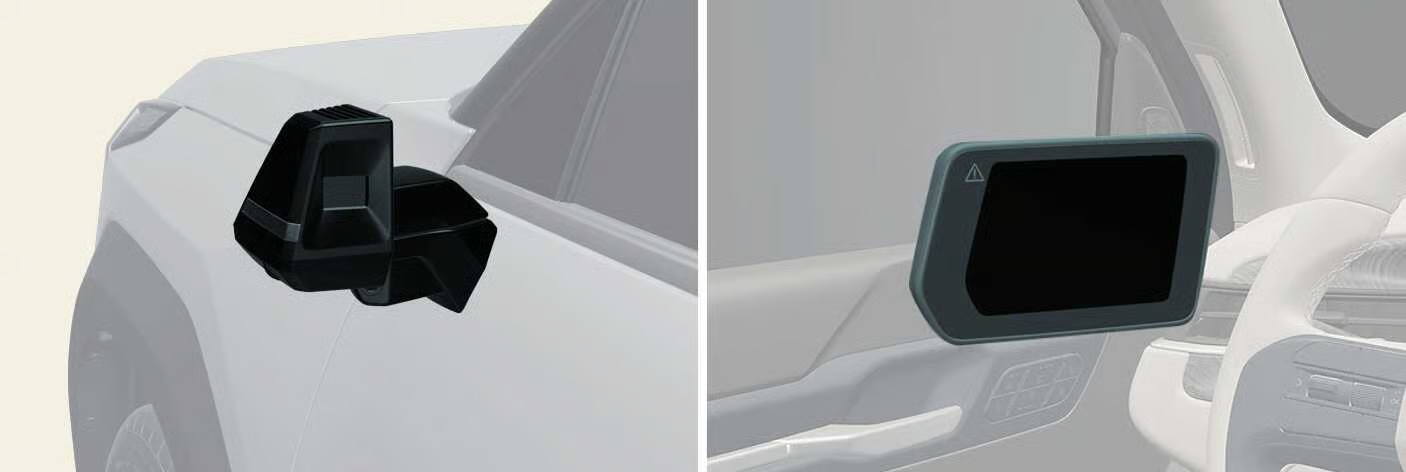
For example, when changing lanes, the image will automatically expand the view in the adjacent lane, and when parking, the camera will be able to shift downwards for better control of curbs and obstacles.
This is an important step for the entire industry. Many manufacturers are already experimenting with similar systems: such solutions are used by Audi, Lexus, and some Chinese brands. Digital mirrors have serious advantages — better aerodynamics, reduced wind noise, and a wider viewing angle.
But GM is trying to go further than its competitors. The company actually wants to make mirrors part of the car's intelligent perception system. In the future, such cameras could integrate with autonomous driving, collision warning, and even AR interfaces.
However, problems remain. Many drivers still complain about the unfamiliar image depth, image delays at night, and the difficulty of estimating distance through displays instead of conventional mirrors. This is why digital systems have not yet massively replaced classic mirrors even in the premium segment.
However, the trend is already obvious: cars are gradually moving from passive viewing elements to active computer vision systems. And in the future, the car itself may decide what image the driver should see at a particular moment.
Read more articles:
- Vietnamese VinFast radically redesigned the VF8: the new crossover became weaker — and this could be good news
- Chery wants to enter the US market, but for Chinese cars, this is currently almost a "forbidden zone"
- Tesla stops "nagging" drivers with warnings, but this could be more dangerous than it seems