Lynk & Co introduced the new electric sedan Lynk & Co 10, and the main topic once again was not power or even range, but charging speed. The top version can charge from 10% to 80% in just 5.5 minutes – formally faster than some of the BYD Flash Charging system's figures.
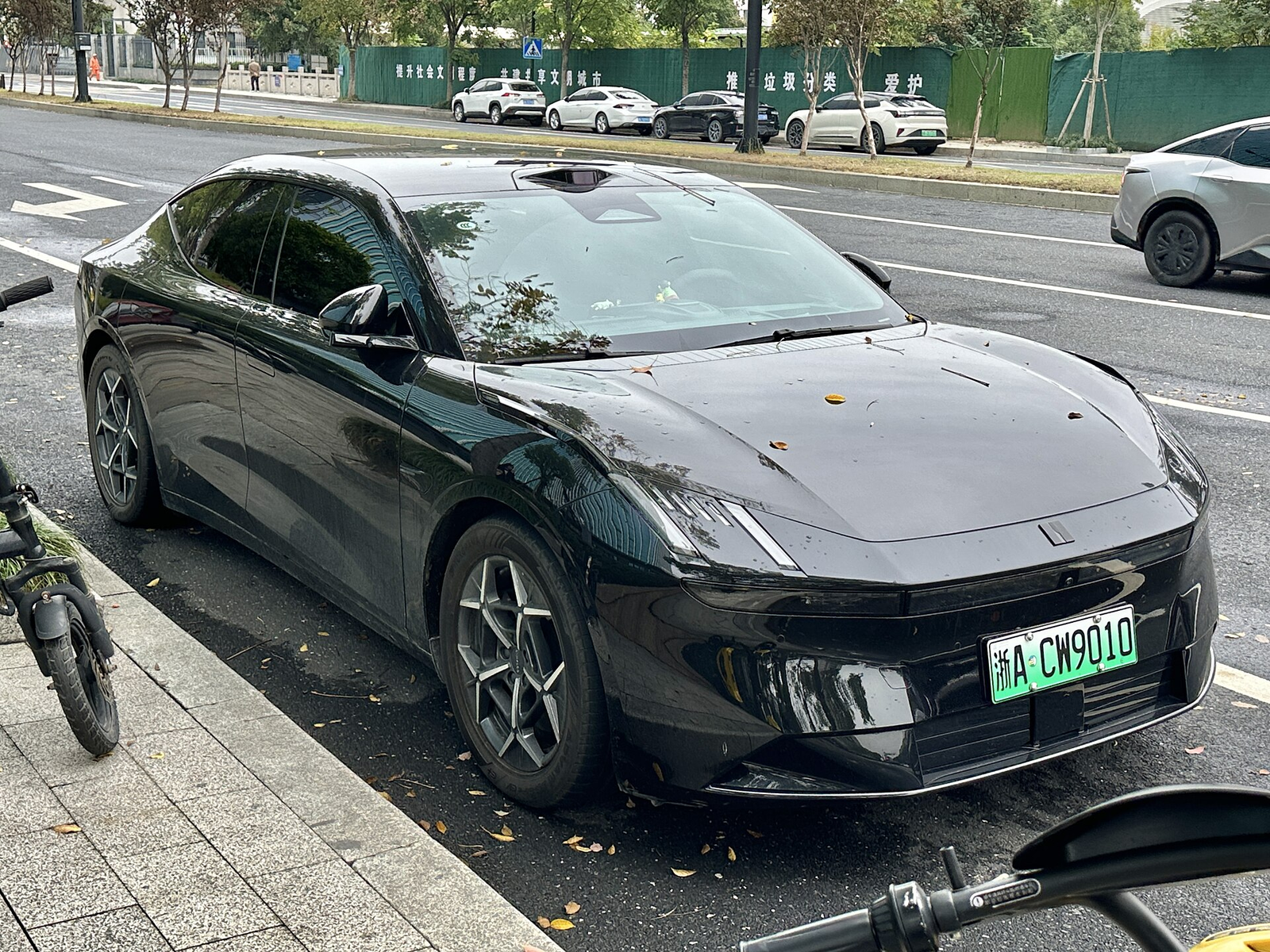
The model is built on a new 800- and 900-volt architecture and is offered with several powertrains. Maximum power reaches 370 kW (496 hp), and the CLTC range is stated to be up to 816 km. Acceleration to 100 km/h takes from 5.2 to 5.9 seconds depending on the version.
But the most interesting part begins after the numbers. Formally, Lynk & Co can indeed claim record charging speed. The problem is that the infrastructure itself is not yet ready to utilize the car's potential.
BYD is already actively building its Flash Charging network and plans tens of thousands of megawatt charging stations. However, Geely, which owns Lynk & Co, currently has almost no such infrastructure. As a result, the car can only charge faster than competitors where suitable ultra-high-power stations exist.
This is why the new Lynk & Co 10 shows an important shift in the EV market. Previously, manufacturers competed on range. Now, the battle is increasingly shifting to infrastructure and energy replenishment speed.
In fact, the industry is starting to repeat the history of smartphones. After batteries reached a sufficient level of autonomy, the main advantage is no longer the battery capacity, but how quickly it can be charged.
For Geely, this is also an attempt to strengthen the position of the Lynk & Co brand as a technological showcase for the concern. The brand is increasingly occupying the space between mass-market Chinese EVs and premium models like Zeekr. At the same time, the design of the new "ten" remains maximally aggressive: active aerodynamics, a sporty body kit, and elements inspired by TCR racing cars.
The success of the model will depend not so much on the car itself, but on the charging network around it. Because in the era of ultra-fast EVs, manufacturers are no longer competing only with cars, but with entire energy ecosystems.
Read more articles:
- China Suddenly Slows Down Robotaxis: One Massive Glitch Revealed the Main Problem of Autonomous Cars
- Mitsubishi Brings Back Pajero, But the Legendary SUV Will Now Be Completely Different
- China Takes on "Chair-Beds" in Cars, Regulators Consider Them a New Safety Threat