Just a few years ago, plug-in hybrids were considered a temporary stage on the way to fully electric transport. However, the market is developing according to a completely different scenario. It is Chinese manufacturers today who are setting the pace for the development of the PHEV segment, while many European companies are gradually shifting their focus to other areas.
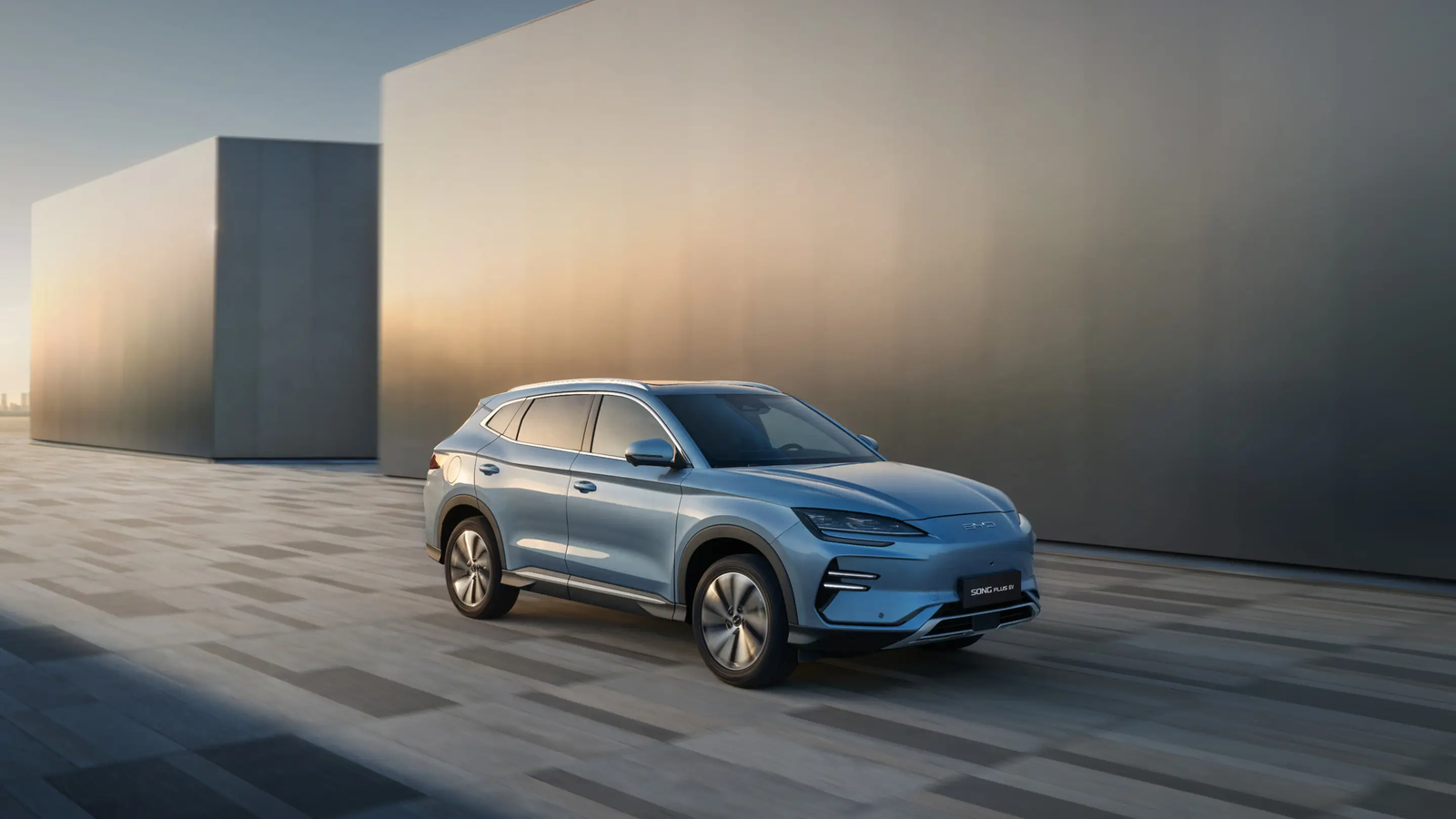
The main reason for the changes is the rapid progress of technology. Modern Chinese plug-in hybrids are already capable of traveling more than 200 km on electric power according to the CLTC cycle. For comparison, until recently, 50–80 km was considered a good result for most models in this class. Thanks to more capacious batteries, many owners can use the car as an electric vehicle in everyday operation, only engaging the gasoline engine during long trips.
BYD, Chery, Geely, Great Wall Motor, and other Chinese concerns are particularly active in developing this direction. The latest power units demonstrate record fuel efficiency and allow covering over 1500–2000 km without refueling or recharging in mixed mode. Just a few years ago, such figures seemed unattainable for mass-produced cars.
Against this background, some European manufacturers are rethinking their strategy. Strict environmental regulations and long-term plans for the transition to electric vehicles have forced many companies to focus on battery-powered models. However, the market shows that buyers are not always ready to completely abandon the internal combustion engine.
This is where plug-in hybrids have found a second wind. They allow driving on electricity in the city, are not dependent on developed charging infrastructure for long trips, and eliminate the range anxiety problem, which still remains one of the main arguments against electric vehicles.
Read more materials:
- Dongfeng created a new hybrid engine with 45.5% efficiency
- Subaru abandoned its signature air intake: why the Levorg Layback was turned into a hybrid
- Not CX-5, but CX-50: Mazda surprised with sales and showed a new brand leader
Комментарии