Waymo driverless taxis are often called "cars on wheels with dozens of cameras." However, a real case from San Francisco showed that even such transport does not guarantee the quick apprehension of criminals.
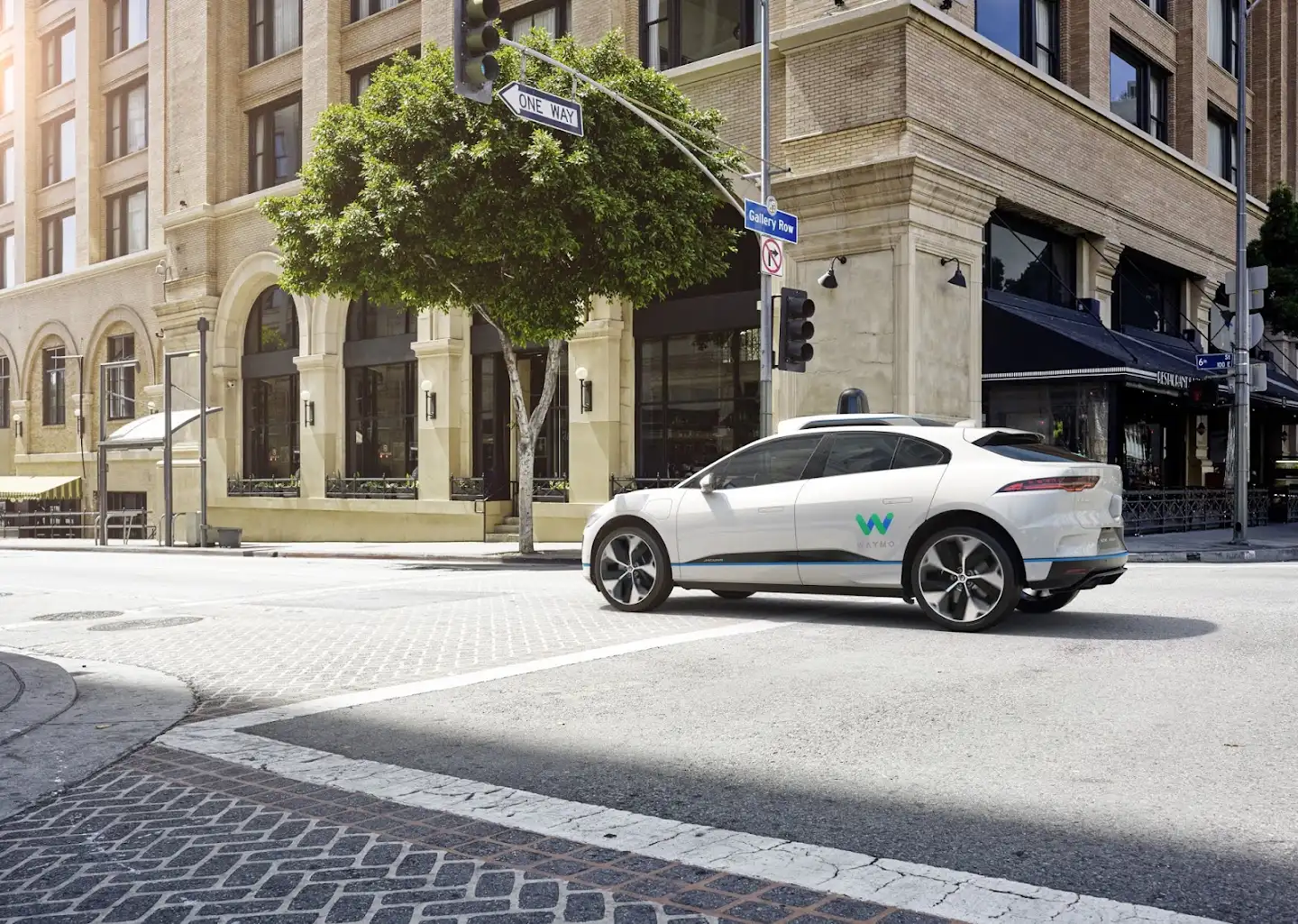
According to the San Francisco Chronicle, in January, an unknown individual arrived in a Waymo service driverless Jaguar I-Pace at Hot 8 Yoga studio, stole sportswear, and fled in the same robotaxi. Almost six months later, the police have still not been able to identify the suspect.
At first glance, the situation seems paradoxical. Waymo vehicles are equipped with numerous 360-degree cameras, and an account is required to order a ride. Nevertheless, the investigation faced several limitations. By the time a warrant for data access was obtained, internal video recordings were no longer stored in the system, and faces on external cameras were automatically blurred for privacy reasons. In addition, account data did not help identify the suspect.
The story turned out to be one of the first in the US where a driverless taxi was effectively used as a getaway car from a crime scene. This is an important precedent for the autonomous transport industry. It shows that modern systems are designed not only for road safety but also for protecting passengers' personal data.
For autonomous transport manufacturers, such cases could spark new discussions about how long data from onboard cameras should be stored and where the line lies between the right to privacy and the interests of law enforcement.
Read more articles:
- Chery to Start Producing Cars at Nissan Plant
- Geely May Abandon Differential Locks: New Galaxy Cruiser 700 Technology Changes Approach to Off-Roading
- Average Age of Cars in the USA Approaches 13 Years, and Ford Wants to Capitalize on It
Комментарии