Tesla is once again at the center of a discussion surrounding the safety of driver assistance systems. According to a Reuters investigation, the company provided European regulators with statistics that may have exaggerated the benefits of the Full Self-Driving (FSD) system compared to conventional vehicle control.
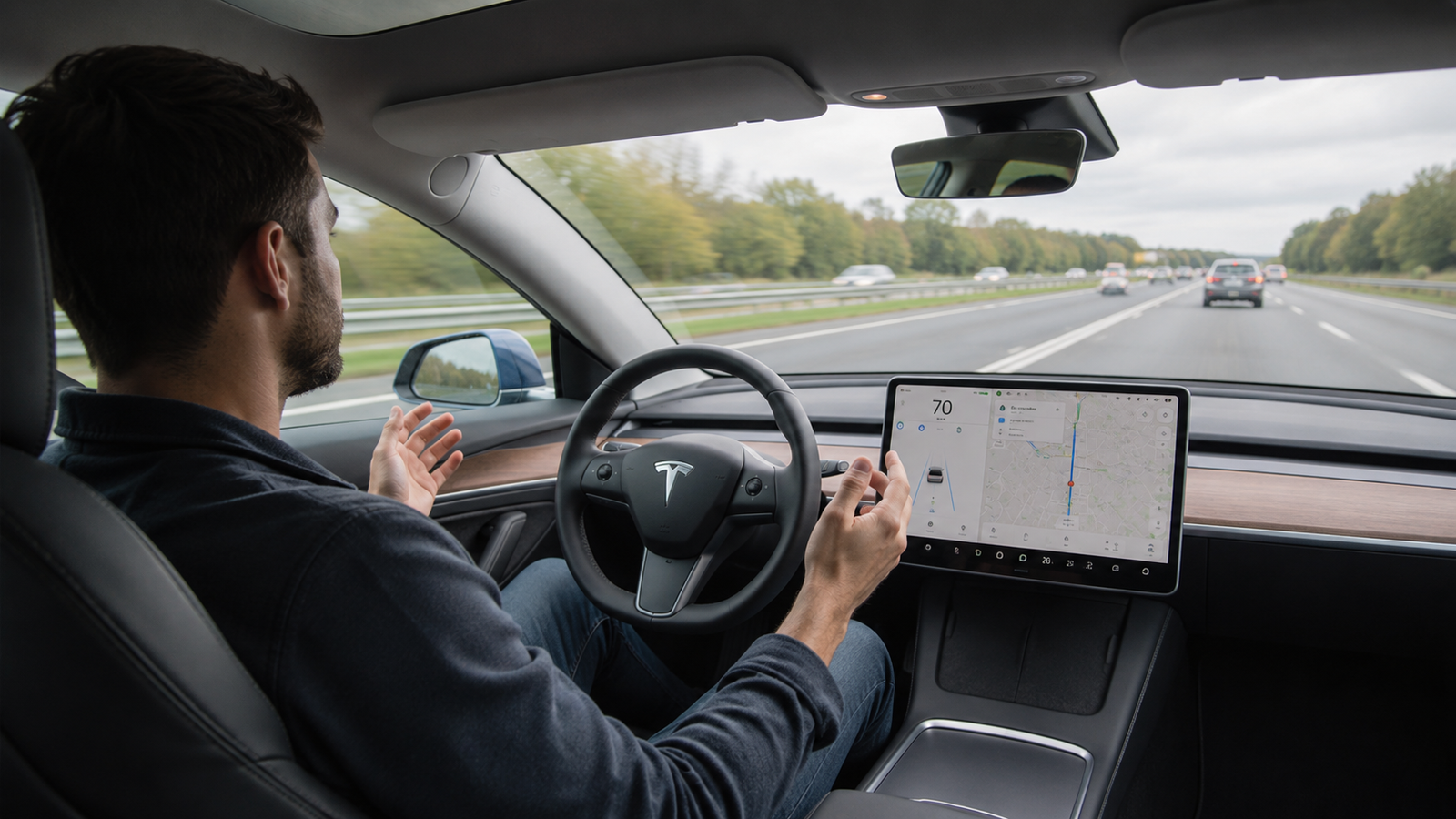
This refers to materials sent to regulators in the Netherlands and Sweden as part of the FSD approval process for the European market. Tesla claimed that cars with this system could be several times safer than human-driven cars and could prevent thousands of accidents. However, independent experts interviewed by Reuters stated that some of the comparisons were based on heterogeneous data and do not allow for such unambiguous conclusions.
The main complaint concerns the calculation methodology. In some cases, Tesla's figures were compared with average accident statistics for the entire US vehicle fleet, including older cars without modern safety systems. According to experts, this approach can artificially improve the overall picture.
It is important to note that the Dutch regulator RDW approved the use of FSD back in 2025 after its own tests and, it is claimed, did not base its decision solely on Tesla's marketing data. The possibility of wider adoption of the technology in EU countries is currently being discussed.
The situation highlights a deeper problem for the entire industry. Automakers are increasingly promoting complex driver assistance systems through their own statistics, while regulators demand independent verification. This is especially important for FSD-level technologies, which are formally still considered driver assistance systems and require constant human supervision.
If European authorities tighten requirements for proving safety, manufacturers will have to provide significantly more independent data before launching new automated driving features.
Комментарии