Industry associations are once again proposing to adjust the implementation mechanism of the taxi localization law. Market representatives have sent a number of initiatives related to the new requirements to the Ministry of Industry and Trade and the government.
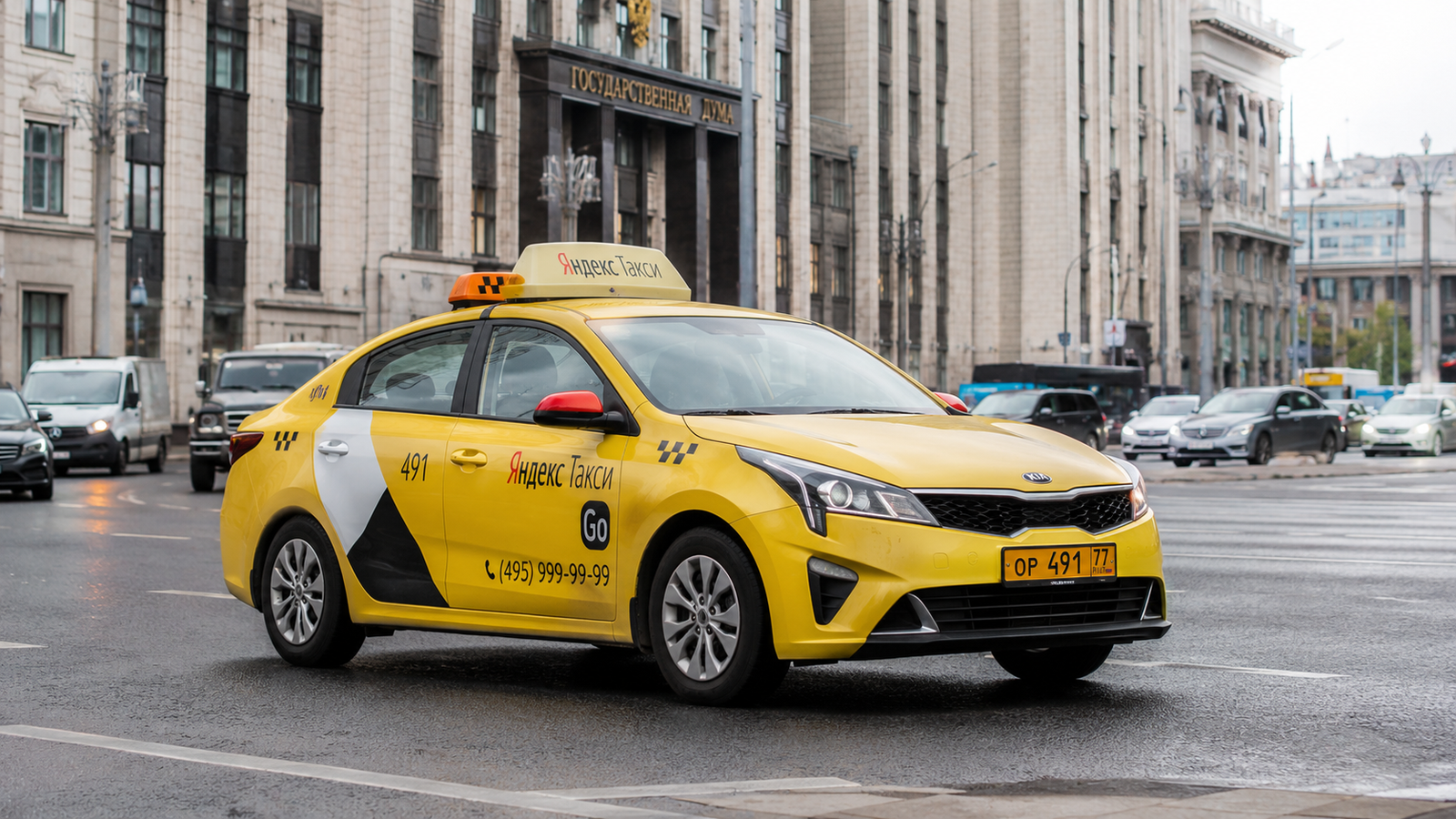
One of the proposals concerns quotas for the use of vehicles not included in the list of localized models. Currently, the possibility of registering such cars is limited by a quota of 25% of the total number of taxis in the region, but this rule applies only to vehicles owned by individuals.
As noted by the National Association of Car Fleets, the mechanism is practically not working. In Moscow, the quota is 22,281 vehicles, but to date, only two vehicles have been registered under it. In this regard, industry representatives propose extending the quotas to legal entities as well.
In parallel, the Public Council for Taxi Development has put forward an initiative to include taxi services in the Transport Strategy of Russia until 2036. The authors of the proposal believe that taxis perform an important social function and serve about 70 million passengers annually, so the industry should count on additional support measures.
The discussion of new initiatives is taking place against the backdrop of the market's ongoing adaptation to the requirements of the localization law. Many carriers managed to include vehicles in regional registers before the restrictions came into force and are not yet in a hurry to update their fleet according to the new rules.
Experts note that it is premature to evaluate the effectiveness of the current mechanism. A full analysis requires more time and statistics on fleet updates in various regions of the country.
At the same time, market participants warn that a reduction in the choice of available models and an increase in the cost of updating vehicles could lead to a further increase in travel costs. That is why the issue of taxi localization remains one of the most discussed topics in the industry.
Read more materials:
- China Demanded the Impossible from Electric Vehicles
- Koenigsegg Rewrote the Laws of Physics Again: Jesko Absolut Set a Record Thought Unattainable
- Europe to Get Electric Cars for $17,000: Stellantis Found a Way to Drastically Cut Prices
Комментарии