The Far Eastern car market demonstrates two seemingly contradictory trends at once. On the one hand, car imports for individuals continue to grow actively. On the other hand, the secondary market is still dominated by cars older than 15 years.
According to the Far Eastern Customs Administration, 152,410 cars were cleared through the region's customs in the first five months of 2026. This is 22.8% more than in the same period last year.
The main gateways for import remain the Vladivostok and Ussuriysk customs, through which more than 145 thousand cars passed. Japan remains the main supplier – it accounted for almost 140 thousand imported cars. More than 10 thousand cars came from South Korea, and about 4 thousand from China.
However, the growth in imports has not yet led to a noticeable rejuvenation of the car fleet. According to analysts, 69% of cars in the Far East's secondary market are more than 15 years old.
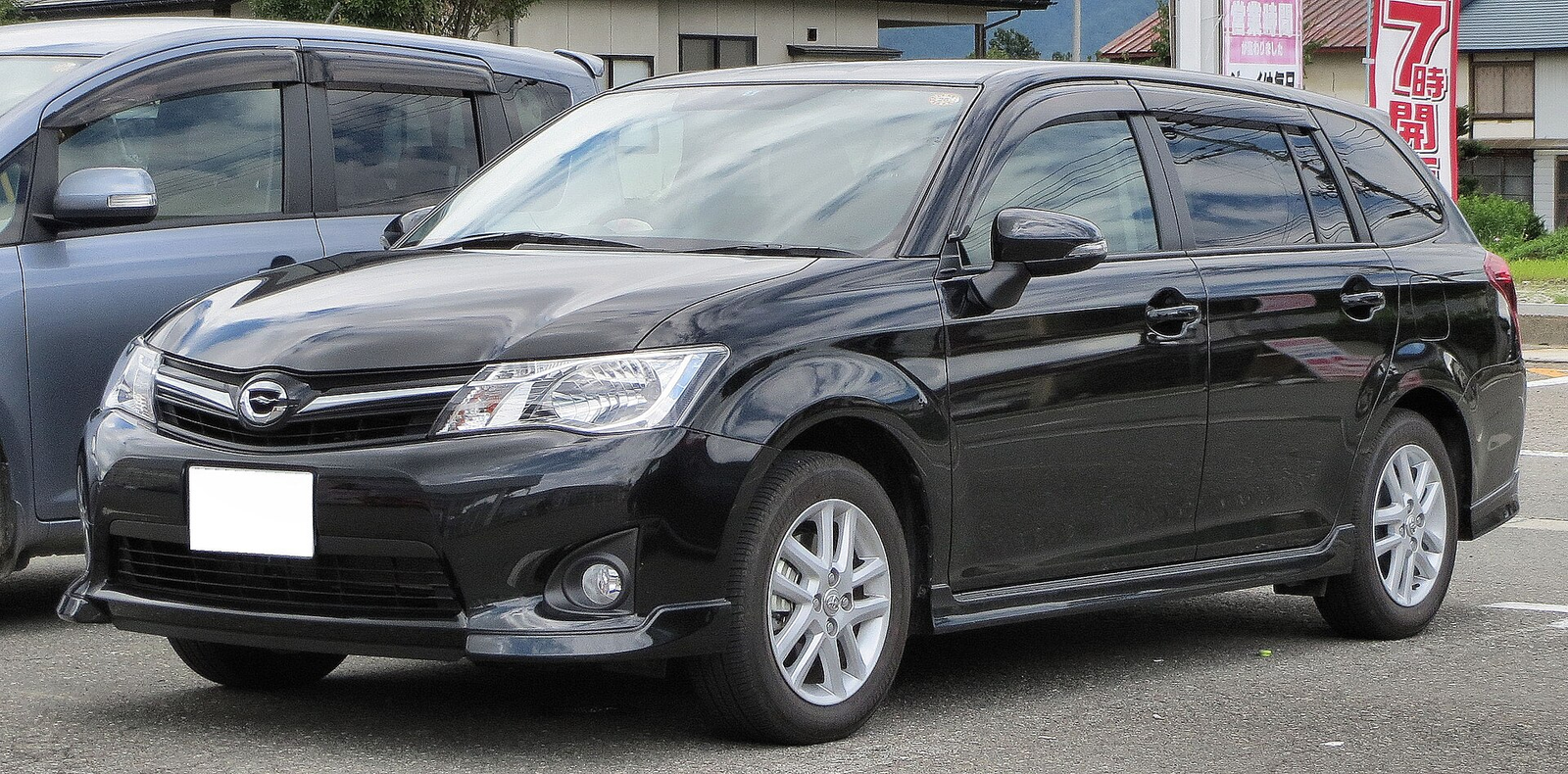
The sales leaders in this segment remain the well-known Japanese models in the region: Toyota Corolla, Toyota Mark II, and Toyota Corolla Fielder. Among the more “fresh” cars, Honda Fit, Nissan Note, and Honda Vezel are popular.
At the same time, experts note a revival in the used car market. Since March, the number of transactions has been gradually increasing, especially in the Khabarovsk Krai, Buryatia, and Amur Oblast.
One of the reasons for the high average age of cars, according to market participants, is the change in the import structure. After the increase in recycling fees, the import of cars with more than 160 hp significantly decreased. As a result, buyers are increasingly choosing more affordable and older cars, which are traditionally considered reliable and inexpensive to maintain.
In fact, the Far Eastern market demonstrates a unique situation. Despite the growth in car supplies from abroad, the demand continues to be formed by time-tested Japanese models, many of which have long passed the 15-year mark. This suggests that for most buyers, the decisive factors remain the cost of ownership, the availability of spare parts, and the reputation of a particular model, rather than the age of the car.
Read more materials:
- Koenigsegg rewrote the laws of physics again: Jesko Absolut set a record that was considered unattainable
- Toy hypercar set a world record: LEGO accelerated Koenigsegg to 111 km/h
- Sollers showed a new frame SUV S9: production starts this autumn
Comments