Hyundai has decided to completely abandon station wagons. The last representative of this class will be the Hyundai i30 Wagon, which will be discontinued after the end of the current generation's life cycle.
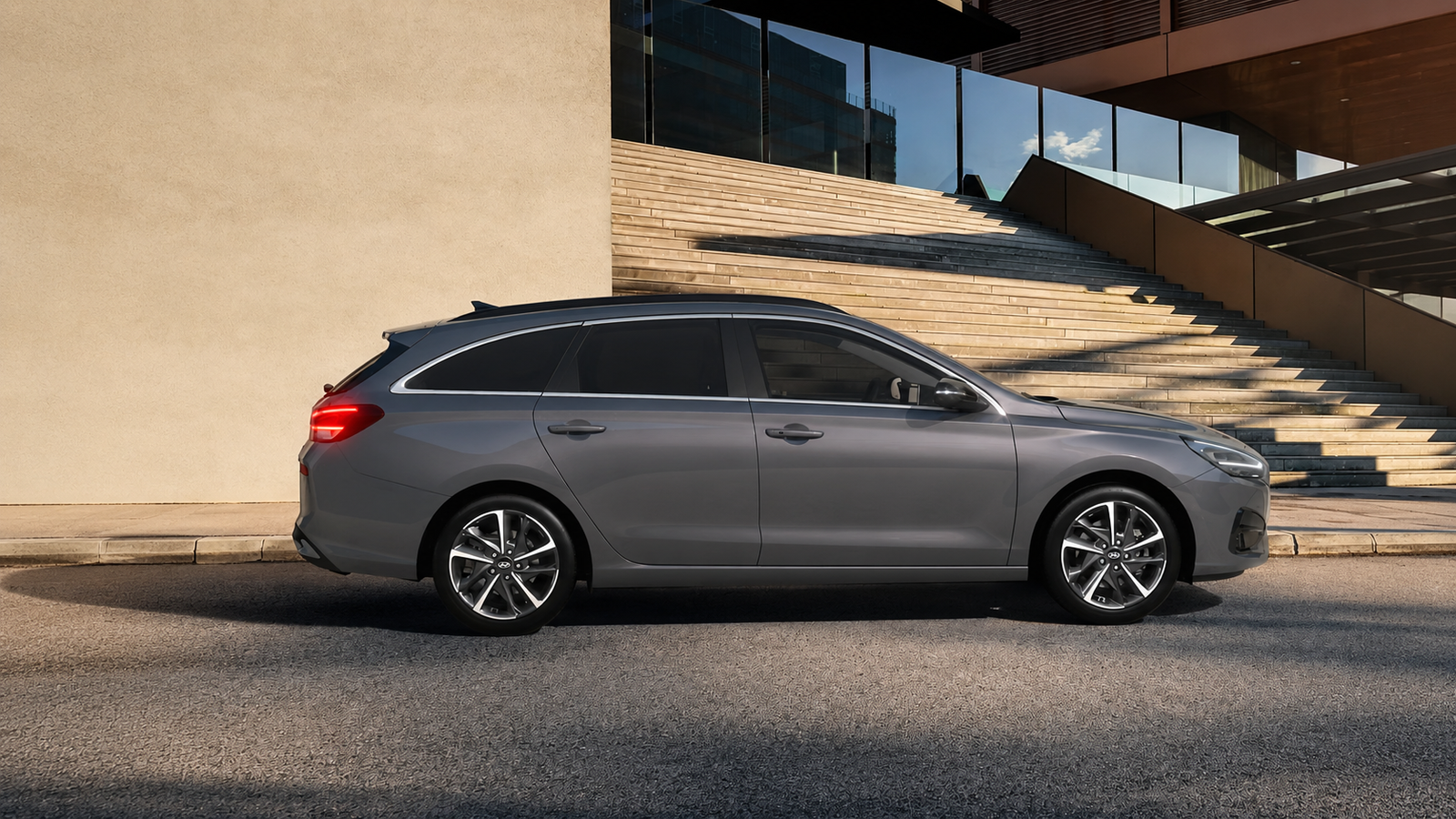
The company's plans were revealed by Xavier Martinet, President and CEO of Hyundai Motor Europe. According to him, demand for station wagons continues to decline, and investments in their development no longer make economic sense.
According to Martinet, the i30 Wagon has historically been in demand mainly among corporate clients, where the profit margin is significantly lower than that of crossovers. That is why the company prefers to direct investments to more promising projects.
In fact, Hyundai is following a trend that has already affected many European manufacturers. Buyers are increasingly choosing crossovers, while interest in classic station wagons is declining not only in Europe, but also in the USA and China.
The Hyundai i30 Wagon has been produced since 2007. During this time, three generations of the model have been released, and in different markets the car was also sold under the designations CW, SW, and Kombi. Technically, the station wagon is built on the same platform as the Kia Ceed SportsWagon, the production of which has already been discontinued.
However, Hyundai does not yet plan to completely abandon the i30 family. According to European media, the hatchback is preparing to receive another restyling. In addition, the company continues to update other passenger car models, including the Elantra.
Hyundai's main focus is on crossovers. In the coming years, the Bayon, Kona, and Tucson will receive updates, which maintain high demand in the European market and provide the company with significantly greater profits.
Read more materials:
- Authorities have once again taken up right-hand drive cars: the Ministry of Internal Affairs and the Ministry of Transport have begun assessing risks
- Mini traveled a million kilometers without an engine replacement, and the owner is not going to stop
- The gasoline crisis is expanding: fuel sales restrictions have already been introduced in 16 regions of Russia
Comments