BYD has reported new court victories in cases against Chinese automotive bloggers and authors of popular online channels. According to the company, courts have recognized a number of publications as unreliable and ordered their authors to pay compensation, as well as publicly retract the disseminated information.
As BYD reported, the lawsuits concerned false statements about battery characteristics, car quality, sales volumes, and the company's financial performance.
The largest recovery was against blogger Tiger Wolf Talks Cars. The court ordered him to publicly apologize to BYD and pay compensation of 210,000 yuan (about 2.4 million rubles).
Two other popular channels – Zhengren Talks Cars and Solid-State Batteries Are Here – were ordered by the court to pay 100,000 yuan each (approximately 1.15 million rubles) for disseminating unreliable information and damaging the manufacturer's business reputation.
In addition, the account 987 Crazy Dad was fined 85,000 yuan (approximately 1 million rubles) for publications about the allegedly low quality of cars and the manufacturer's cost-cutting on components. Blogger Xiaoyu Doesn't Understand Cars was ordered to pay 55,000 yuan (approximately 640,000 rubles) after accusing BYD of manipulating sales volumes and financial reporting.
The company emphasizes that the legal campaign is aimed at protecting its business reputation and combating the organized spread of false information. To this end, BYD specialists compared bloggers' statements with real technical data, production statistics, and internal documentation.
At the same time, BYD continues to develop a reward program for informants. For confirmed information about commissioned campaigns to discredit the brand, the company is ready to pay from 50,000 to 5 million yuan.
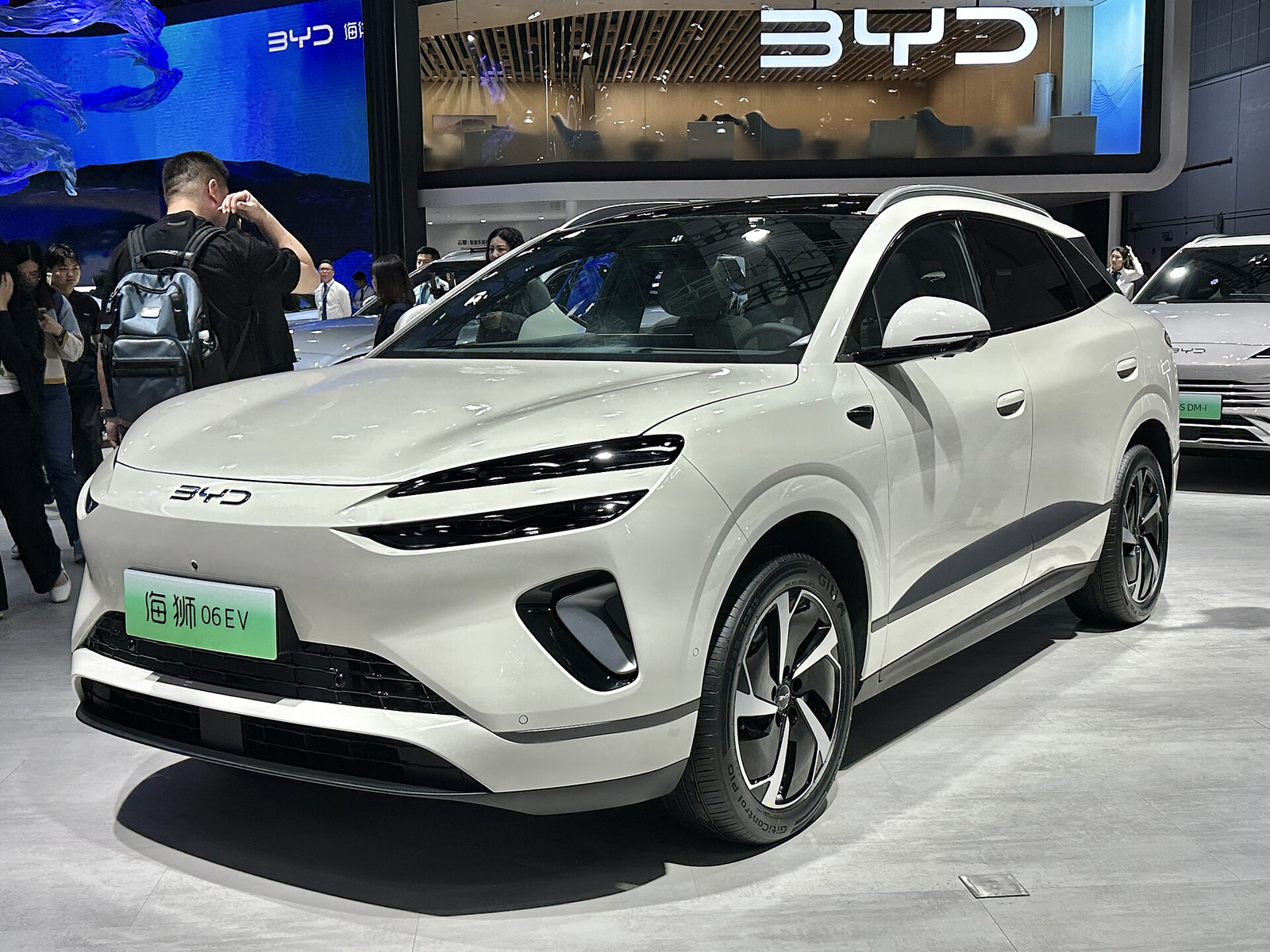
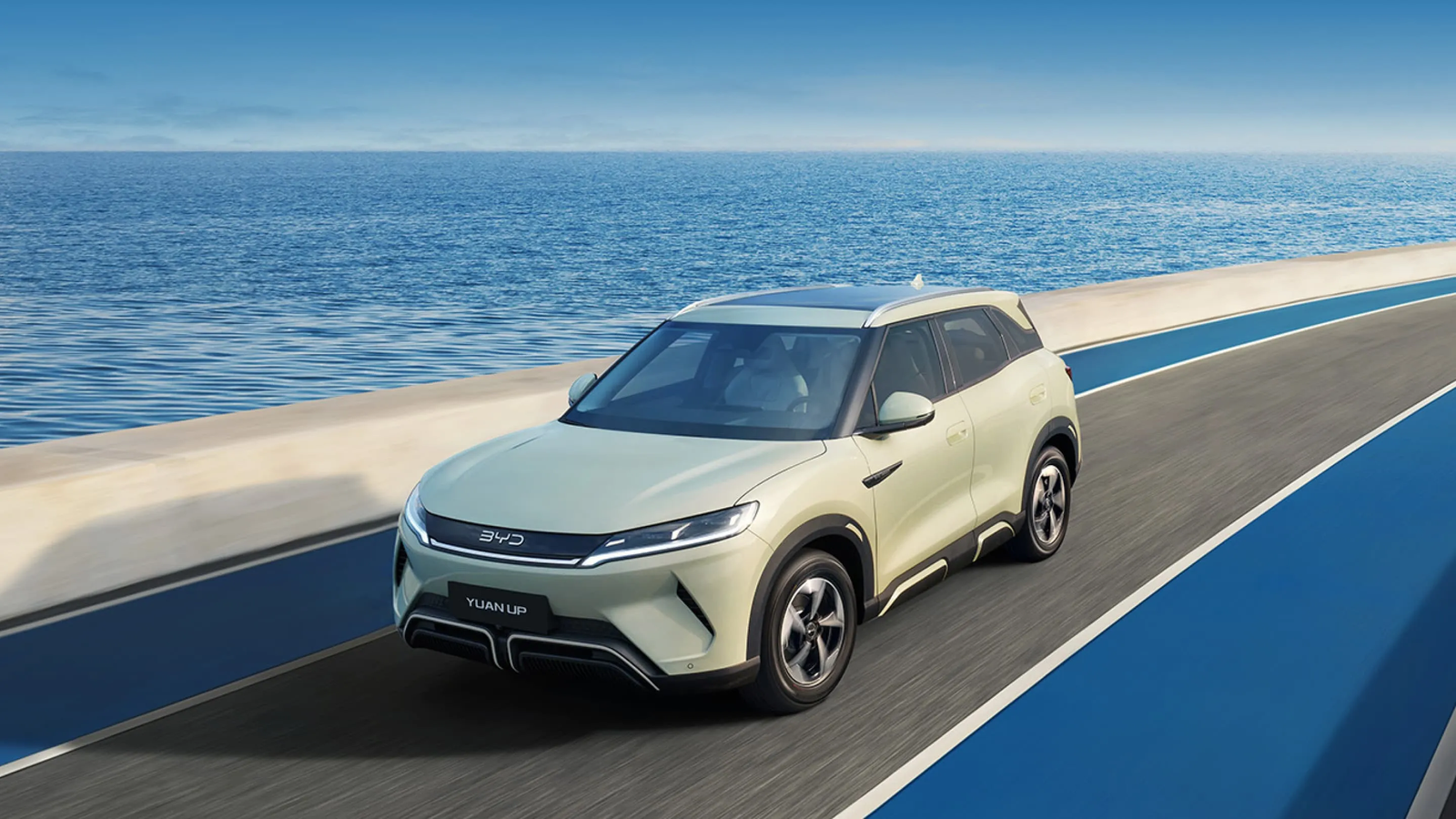
The tough legal policy coincides with a period of active sales growth. According to China EV DataTracker, in May 2026, the BYD Sealion 06 crossover sold 18,856 units. The Yuan UP model found 17,043 buyers, and the hybrid Song Pro DM-i sold 15,497 units. In addition, sales of the BYD Qin Plus EV amounted to 12,971 cars, and the Dolphin hatchback sold 12,819 units.
The latest court decisions show that the largest Chinese automaker intends to increasingly use legal mechanisms to protect its reputation. Amid growing competition in the domestic market, such practices may become a new trend for other Chinese automotive companies as well.
Comments