Xiaomi Auto introduced a new structural material, Titan Alloy 2.0, which is entirely composed of recycled aluminum. The company states that this is the first time in China that an alloy with 100% recycled aluminum content has been used in the mass production of large body power elements using gigacasting.
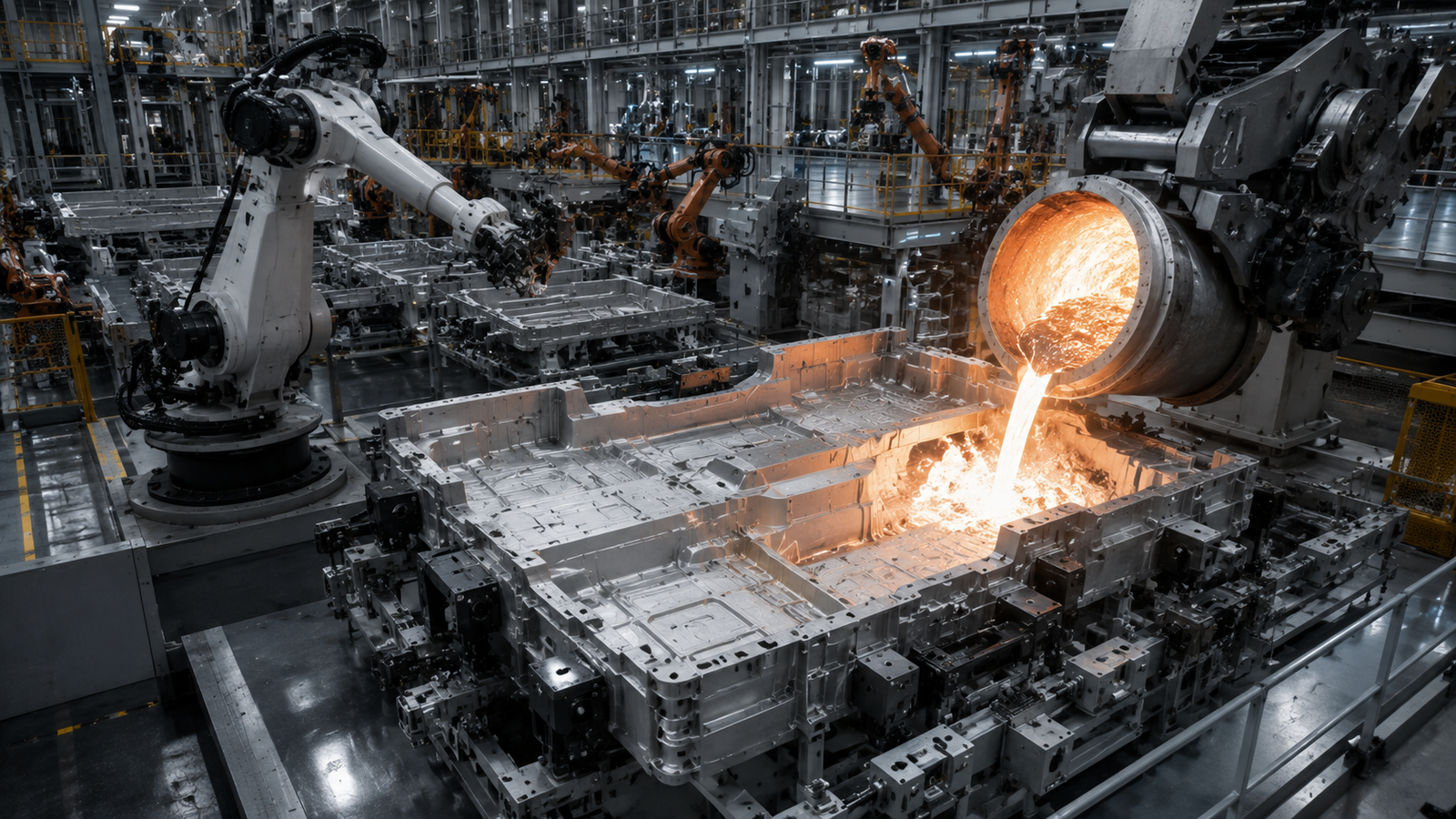
The new material is used in the manufacture of the rear floor section of the body – one of the key elements of the car's power structure. According to the manufacturer, the transition to recycled aluminum has made it possible to abandon the use of primary metal in critical safety-related areas.
According to Xiaomi's estimates, the carbon footprint of the new alloy is 1.1 kg CO₂-equivalent per kilogram of material, which is approximately 93% lower than that of traditional primary aluminum. These figures have been confirmed by the Swedish Environmental Research Institute IVL, and the material itself is registered in the international environmental declaration system EPD.
The production of Titan Alloy 2.0 involves a six-stage technological process. After multi-stage raw material preparation, the aluminum is re-melted, its chemical composition is adjusted, and then the finished ingots are sent to the gigacasting lines. For quality control, each part undergoes X-ray inspection to detect internal defects.
The design was also checked by an expert commission of the China Federation of Machinery Industry, which confirmed compliance with strength and safety requirements.
Xiaomi claims that the use of the new material reduces emissions by approximately 800 kg of CO₂ per car produced. With a planned production volume of about 550,000 cars per year, the total emission reduction could reach 450,000 tons of CO₂ annually.
The transition to low-carbon materials also has practical significance. The company notes that more environmentally friendly production will help meet the requirements of the European Carbon Border Adjustment Mechanism (CBAM), which provides for accounting for the carbon footprint of imported products.
Read more materials:
- New BYD flagship became a hit: Seal 08 collected about 65 thousand orders in just 30 hours
- Ford announced that the new Ranger PHEV can replace a gasoline generator
- Volkswagen introduced a sedan with a range of up to 2000 km: the novelty was created specifically for China