Among motorists, there has long been an opinion that foreign-produced gasoline is necessarily superior in quality to Russian fuel. However, experts consider such a statement too simplistic. In practice, the decisive factor is not the country of origin of the fuel, but its chemical composition, degree of purification, and compliance with current environmental requirements.
It is equally important to understand that even a high octane number does not guarantee ideal compatibility of gasoline with a specific engine. For modern cars, low sulfur content, absence of harmful impurities, and compliance of the fuel with the current environmental standard play a much greater role.
Why octane number is not the main indicator
Many drivers evaluate gasoline solely by its octane number.
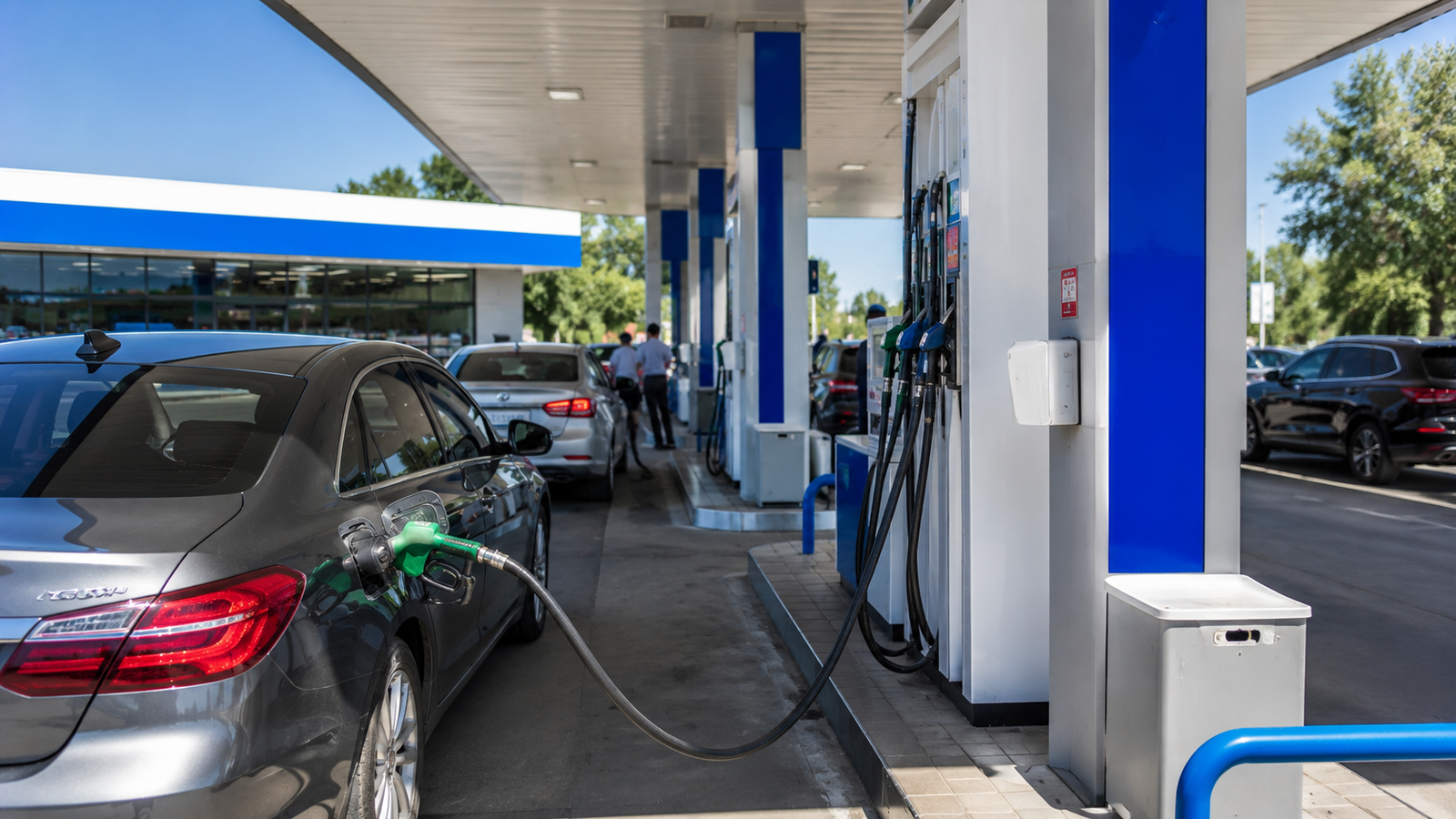
However, for modern engines, other characteristics are also important.
First of all, these are:
- fuel environmental class;
- sulfur content;
- presence of foreign impurities;
- stability of chemical composition.
These parameters largely determine the longevity of the engine, fuel equipment, and exhaust gas purification system.
What is the danger of fuel from old environmental standards
Using gasoline that meets Euro-3 requirements can negatively affect the condition of modern cars.
At risk are:
- injectors;
- fuel system components;
- catalytic converter;
- the engine itself.
The main danger is that problems do not appear immediately.
After refueling, the car may continue to operate without any noticeable changes, but over time, contaminants accumulate, and the first signs of malfunction appear when individual components require expensive repairs.
Russian fuel has become noticeably better quality
In recent years, requirements for the quality of automotive fuel in Russia have significantly tightened.

Today, gasoline sold at large network gas stations regularly undergoes laboratory control.
Special attention is paid to sulfur content, which is kept at a low level.
By this indicator, modern Russian fuel is practically on par with gasoline sold in many European and Asian countries.
Why large networks inspire more trust
The likelihood of encountering frankly low-quality gasoline at large network gas stations is significantly lower today than a few years ago.
This is due to several reasons.
Large companies:
- control suppliers;
- conduct laboratory tests of each batch of fuel;
- are interested in maintaining their business reputation.
Any violations quickly lead to customer complaints, additional checks, and serious financial losses.
That is why the declared octane number at well-known network gas stations in most cases corresponds to the actual characteristics of gasoline, although individual violations cannot be completely ruled out.
Why sulfur poses a particular danger
Even a correctly selected octane number that a motorist pours into their car's tank does not protect the engine from the consequences of using fuel with an increased sulfur content.
This component gradually:
- contaminates the fuel system;
- accelerates the aging of engine oil;
- negatively affects direct injection engines.
Modern power units are particularly sensitive to gasoline quality, where the precision of the fuel equipment is critical.
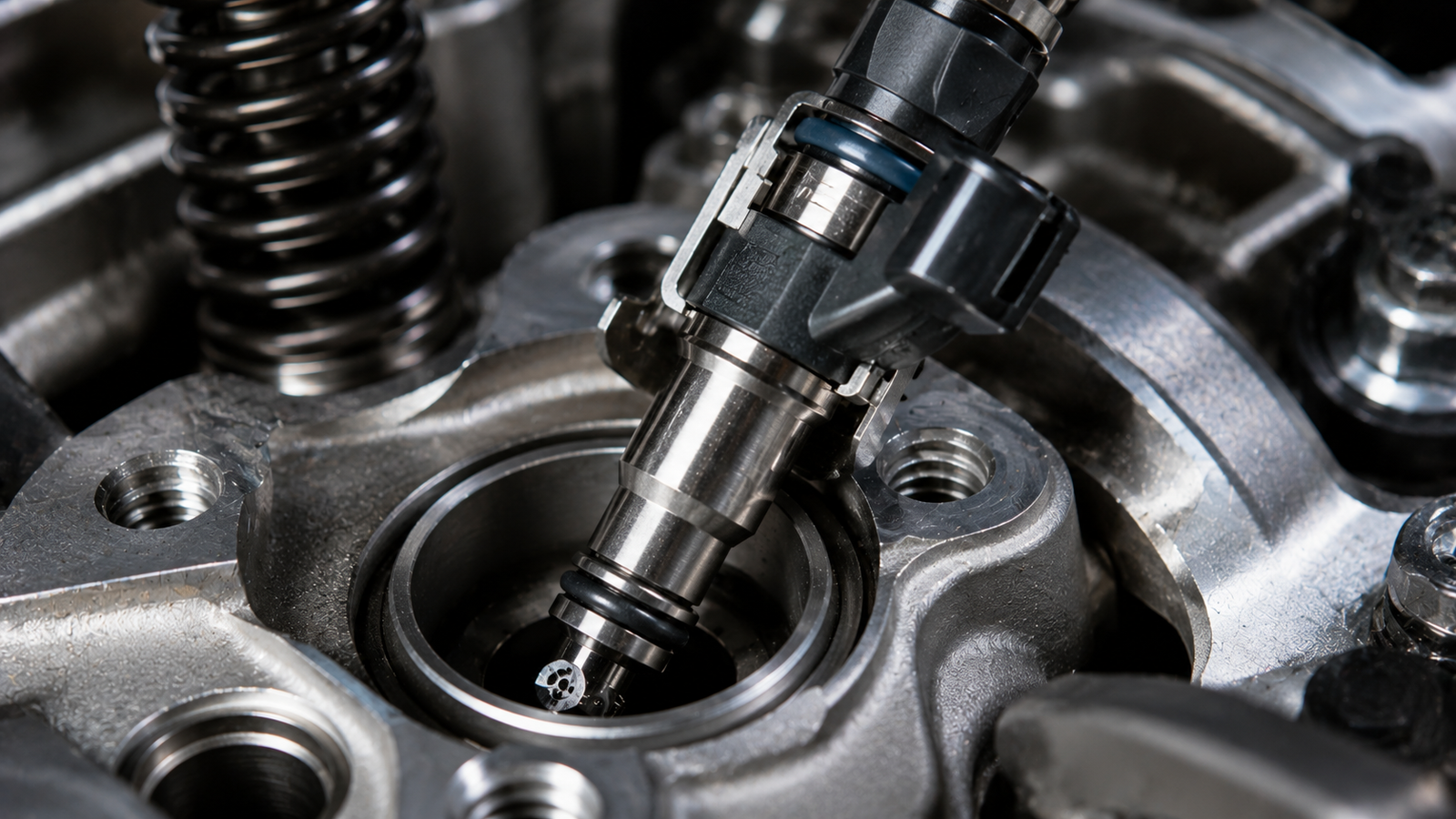
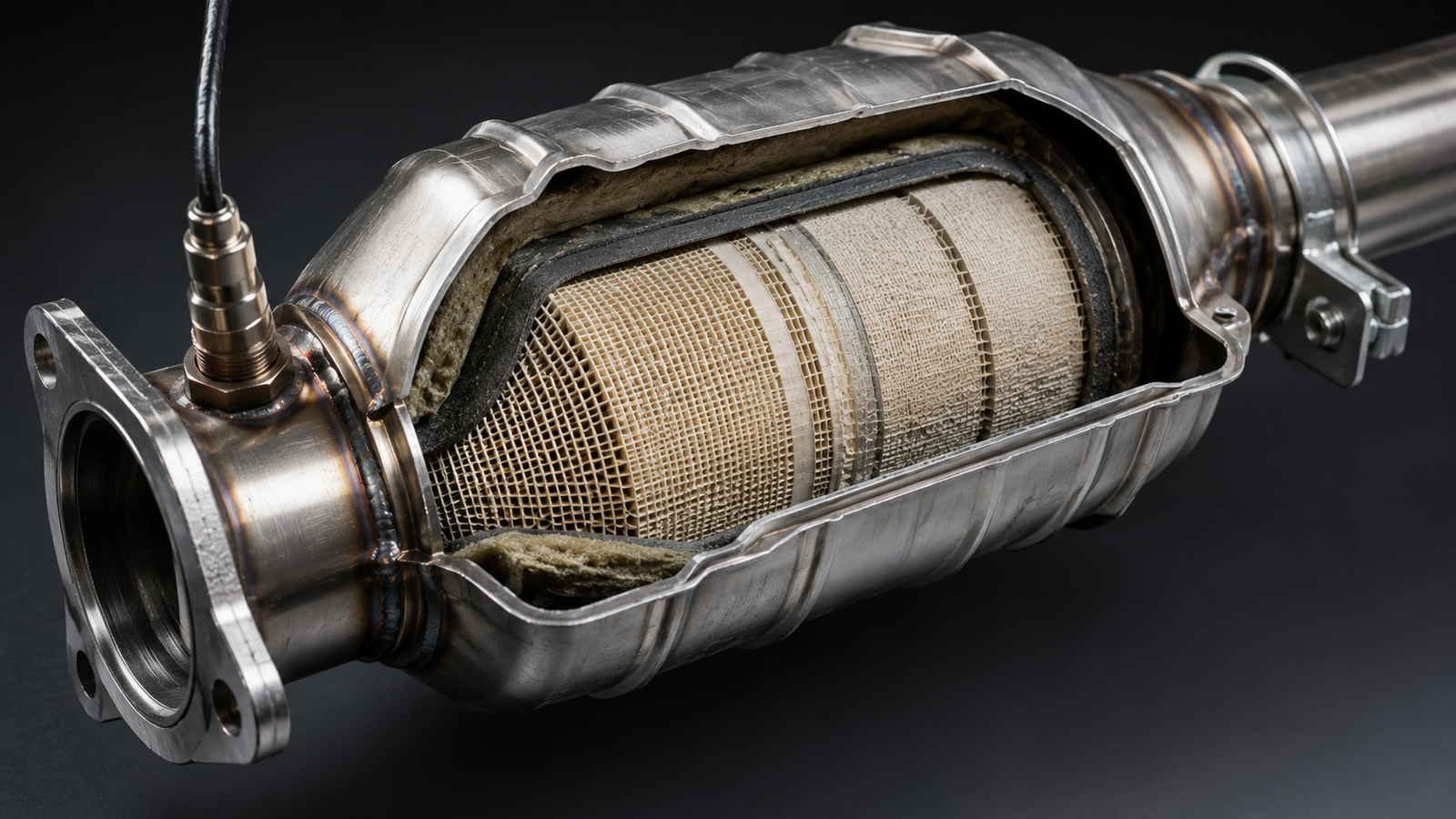
Over time, an excessive amount of harmful impurities can also lead to the destruction of the catalytic converter.
In some cases, particles of ceramic filler can enter the engine cylinders, which often results in expensive repairs.
Therefore, experts do not recommend saving on fuel quality.
What has changed in environmental requirements
Currently, gasoline sold in Russia must comply with the requirements of the Euro-5 environmental standard, which provides for strict limits on the content of sulfur and other harmful substances.
At the same time, from July 2026, the sale of Euro-3 standard fuel was temporarily allowed.
Experts emphasize that this measure is exclusively temporary.
The more modern Euro-6 standard sets even stricter environmental requirements, but for a properly functioning car, most drivers will hardly notice a difference in its operation.
The main differences between these standards primarily concern the level of harmful emissions.
Why it's better to keep the receipt after refueling
Experts advise not to get rid of the cash receipt immediately after visiting a gas station.
It may be useful if, after some time, the following appear:
- unstable engine operation;
- increased fuel consumption;
- malfunction indication on the dashboard.
In such situations, the receipt confirms the place and time of fuel purchase and can be used when checking its quality or when making claims to the seller.
Modern engines have become much more demanding
Latest generation cars are significantly more sensitive to fuel quality than older models.
This is especially true for direct injection engines, where any deviations in the gasoline composition are more quickly reflected in the condition of the injectors, fuel equipment, and catalytic converter.
Therefore, an attempt to save a few rubles per liter often leads to expenses that many times exceed the benefit obtained.
Low price does not always mean benefit
Cheap gasoline is not always a good buy.
Sometimes a lower cost is explained by the use of fuel from old environmental standards or a less deep degree of purification.
A characteristic example is Kazakhstan, where gasoline is often cheaper than in Russia.
However, at some gas stations there, Euro-4 and even Euro-3 standard fuel is still found.
For previous generation cars, such fuel will not be a serious problem, but modern models are initially designed to use higher quality fuel that meets current environmental requirements.
Therefore, when choosing gasoline, experts recommend focusing not only on the price or country of origin, but primarily on the compliance of the fuel with modern quality standards and the requirements of a specific car.
Read more materials:
- How the manual gearbox became a digital illusion
- ZIL-19.440: the most unusual tractor of the Likhachev plant
- ICEs are too early to write off: car manufacturers have brought the efficiency of gasoline engines to a new level