Ford, General Motors, Toyota, and other major automakers have supported maintaining restrictions on Chinese cars in the US market. The focus was not so much on the cars themselves, but on the connected technologies and components used in them.
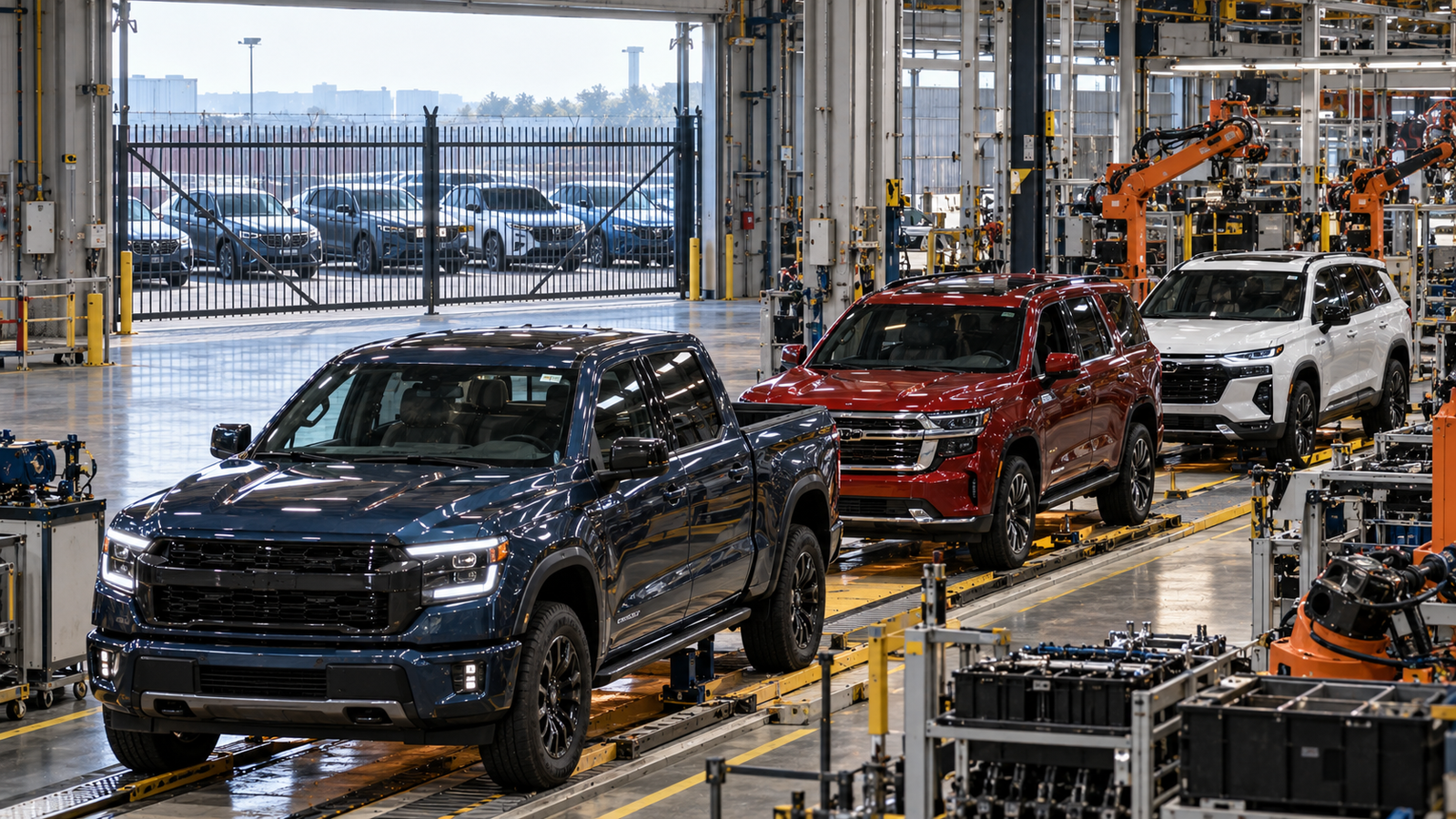
The automotive industry proposes to permanently enshrine the current restrictions. This refers to the Connected Vehicles Rule: starting from the 2027 model year, it restricts the use of Chinese software in connected cars, and from 2030, it introduces restrictions for certain equipment.
For modern cars, this is a fundamental issue. Wi-Fi, Bluetooth, telematics modules, cameras, and other electronic components constantly exchange data with external systems. Therefore, the origin of a car's software and hardware becomes part of its safety requirements.
At the same time, the problem extends beyond finished cars. Chinese companies already occupy a significant place in the global supply chain of automotive components, so American manufacturers must simultaneously reduce dependence on individual components and maintain competitiveness.
It is noteworthy that Ford previously allowed for the possibility of Chinese automakers appearing in the US with local production of cars. This shows how complex the issue is becoming: modern cars are not only transport but also large software and hardware systems.
Read more materials:
- Hyundai Head Warns About Chinese Cars in the US: Market May Repeat European Scenario
- New Nissan Skyline to Be Released in December: Development Accelerated with AI
- Tesla Settles Fatal Autopilot Crash Case Before Trial
Комментарии